14 February 2023
There is so much to say about the Pacific Crest Trail, and yet I’m at a loss for words as I reflect several months after ending the hike. Hiking the PCT was the hardest thing I’ve ever done in my life, but it came with the greatest rewards, more than I could have asked for. And for that reason, hiking the PCT was easily the best decision of my life so far. When people ask, “How was it?”, my one word answer is always, “Amazing…”

One aspect of thru hiking that I found especially interesting and unique was watching the world go by at 3 miles an hour. You can always look back and see where you’ve been and think, “I was just there,” but eventually you look back and the horizon has swallowed that place you once stood. Each foot step comes with a new perspective. This was perhaps most obvious hiking around Mt. Shasta – the PCT makes a giant hook around the south, west, and north sides of this lonely, prominent volcano. We could see Shasta for about 500 miles through NorCal and into Oregon.
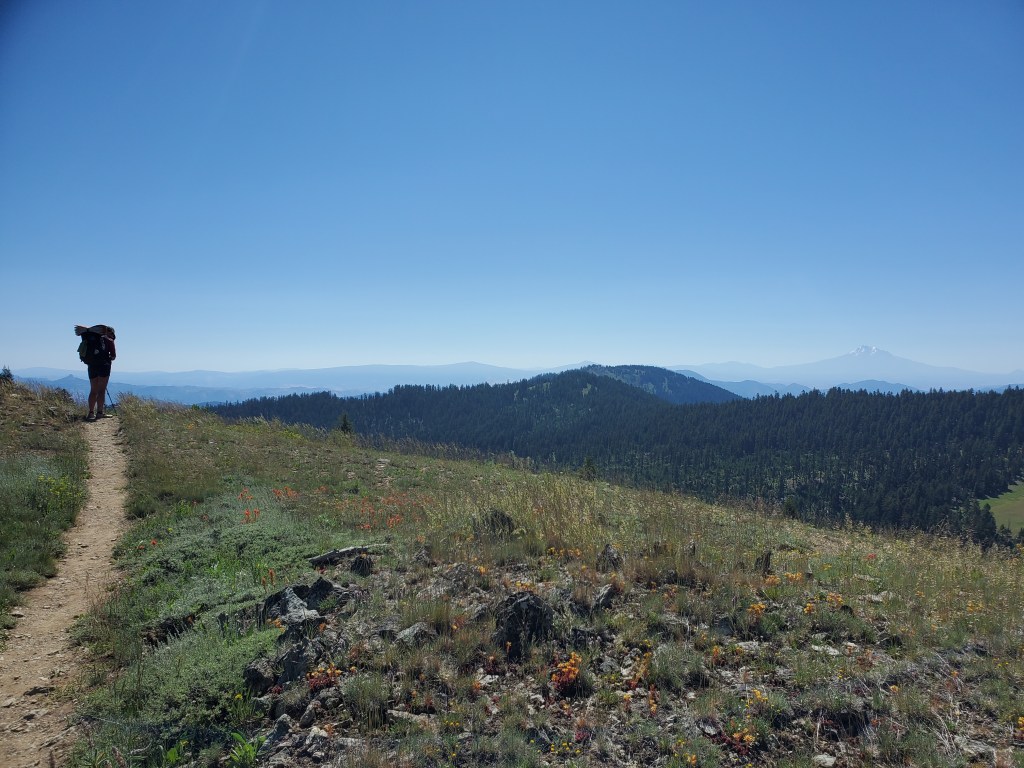
You get some sense of this on a long drive, but frankly driving is too fast and it blurs together. I would argue driving is a means of travel, hiking is a means of experience. I found myself to be more present and attentive on the PCT than any other time in my life. I was brimming with curiosity with every little plant, and I was filled with awe at every massive view.

Time moved in slow motion as well. Rather, having new views, campsites, and experiences everyday makes going about a thru hike vastly more memorable than the routines of “normal life”. Do you remember your drive to work two weeks ago? Five months ago? I’m no neuroscientist, but from personal experience and what I’ve read, the human brain almost works on “autopilot” once a routine is developed. Seeing the same sights and performing the same actions doesn’t form new memories. You might remember your first day of work, because it was a novel experience, but a year later, a full month at your desk job can fly by in the blink of an eye.

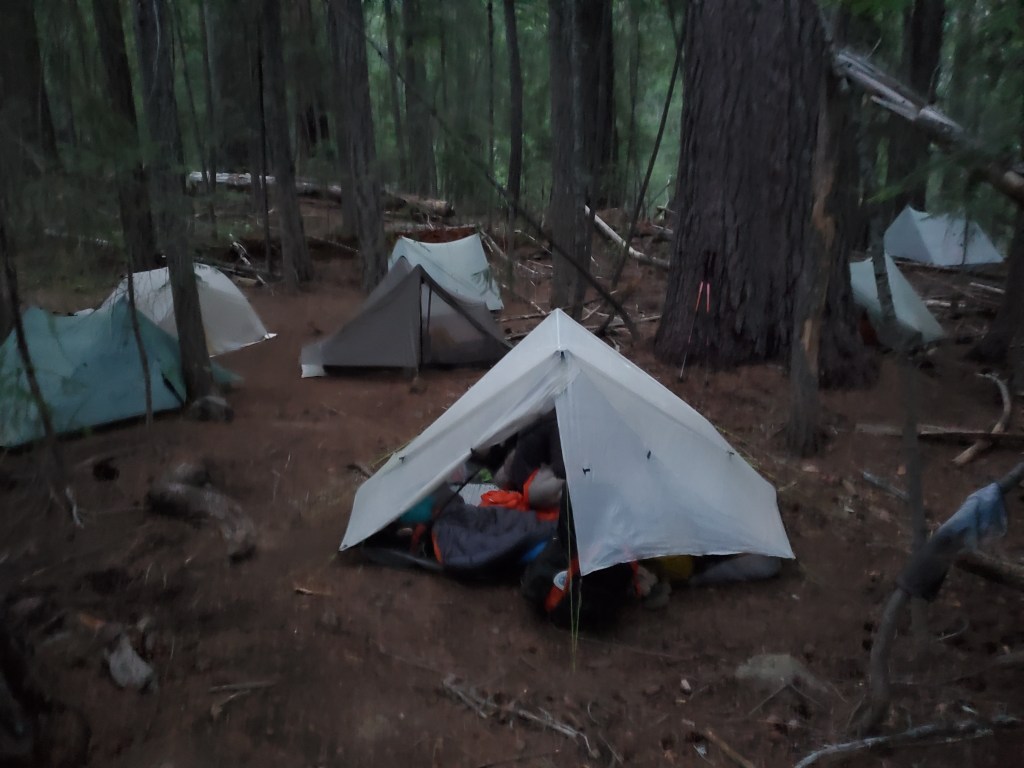
Thru hiking definitely had its routines – wake up, make tea/coffee, eat breakfast, use the.. erm.. bathroom(?), pack up, and hike; snack break, filter water, lunch break, and the afternoon snack; find camp, set up, make dinner, clean up, and go to sleep. That said, each day was new, every foot step took us somewhere new. My brain was searching for patterns that did not exist. It is almost unbelievable talking with other thru hikers about very specific locations and campsites. You could say, “Remember that camp about 30 miles before I-5 and Mt. Shasta in the old growth forest? It was so tiny, but we fit like 9 tents there!” Odds are most PCTers would say, “Yep, I didn’t camp there, but I know the exact place you’re talking about.” By now, the memories are already decaying, but conversations like these always jog my memory in an instant.
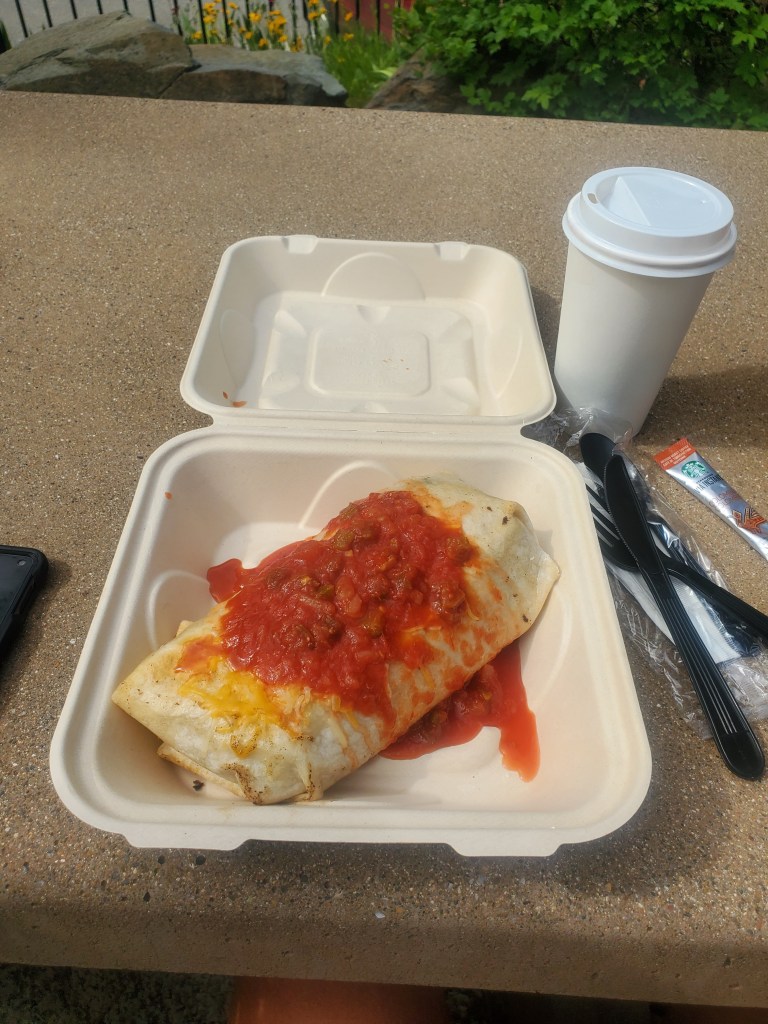
Traveling through so many small towns where options are limited, in more than one way, something that stood out to me was how awful American food culture is. I think the Number 1 profession in the US is fry cook. There must be a couple in every town across the nation. Don’t get me wrong, I love eating a pile of french fries, but thinking about the full time residents of some places where fried food is the only option for dining out, it makes me wonder if we, as a society, could do better. A lot of the food we packed out and ate on trail was highly processed. We ate an obscene amount of candy. Obviously, we needed the calories, but after eating like this for 5 months, we were both inspired to eat a more well rounded diet and eliminate more processed foods after the trail.
I seriously began to question whether or not a modern lifestyle is actually better than that of a hunter-gatherer. Our cities are sterile and loud, bastions for squalor and bad behavior. Community is dead. On the flip side, I’m also convinced the human body is not meant to be outdoors 24/7. The sun damages your skin and your eyes. Toxic plants and biting insects envelope the more hospitable habitats. The smallest injury or sickness can ruin your week, or threaten your life. Where is the balance between comfort and creature?
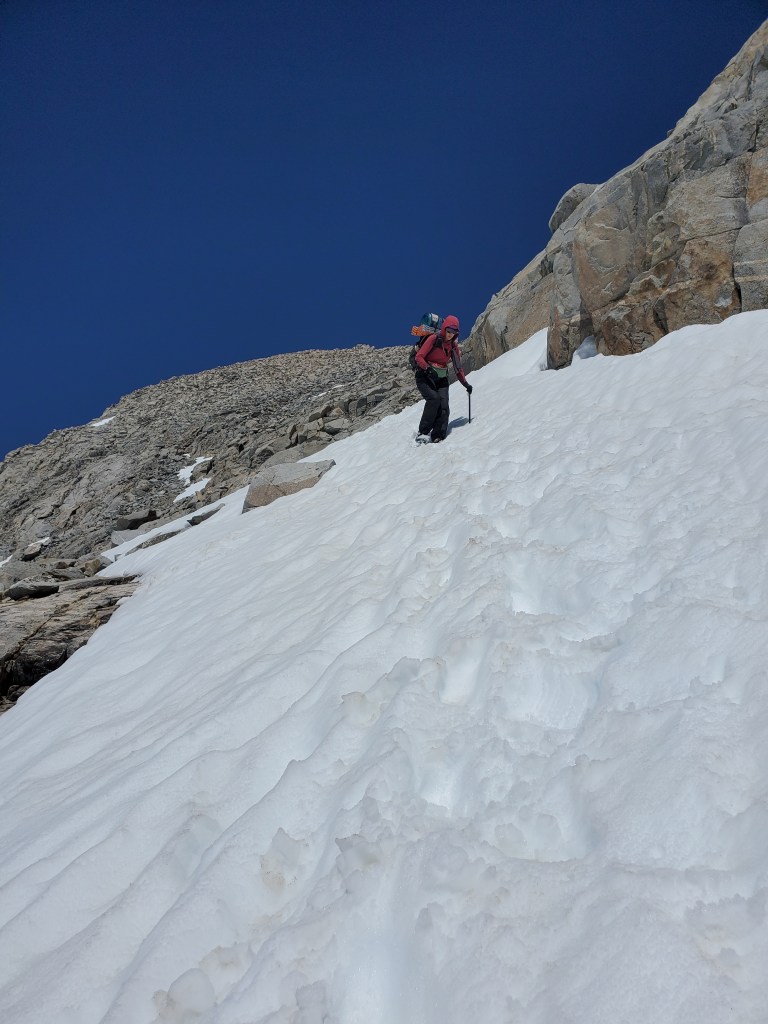
People always commend Maggie and me on hiking over 2,000 miles. While it is very much a personal accomplishment, all we really did was the walking, which I’m realizing is probably the easy part. Hiking such a great distance through spring and summer is only made possible by the rest of civilization. High tech, lightweight gear is essential for moving quickly and comfortably. Dehydrated foods enabled us to carry lots of calories and go further without stopping. All the hospitality we received in towns helped us recharge. The Postal Service brought us supplies to remote towns. So while we did the walking, everyone else made the walk possible. Thanks everybody!
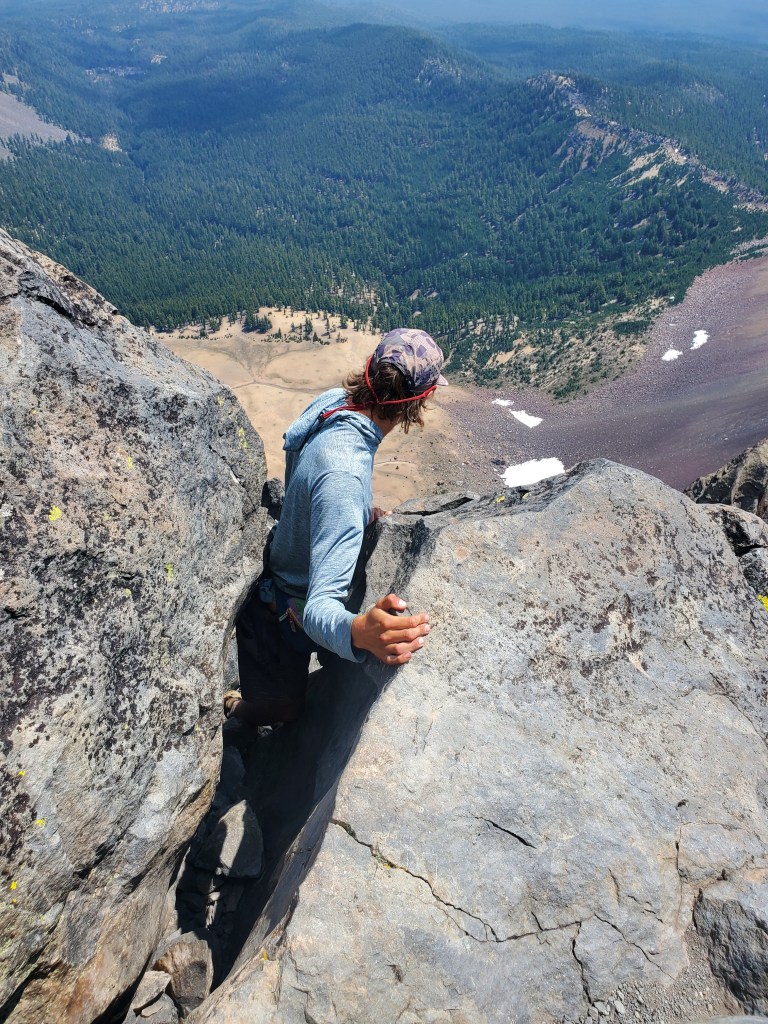
I went into thru hiking with some preconceptions and expectations. I thought I would quickly become a changed man, but to be honest, that didn’t really happen. I’m still the nerdy semi-introvert I’ve always been. I expected to feel grimey and disgusting after a week without showering. While showering always felt amazing, a week’s worth of dirt and sweat didn’t really bother me. We consistently were told we looked “too clean”. It was relatively easy to maintain a baseline level of cleanliness, even living outdoors. I thought for certain I was going to lose weight, a prospect that concerned me since I don’t have much weight to lose. We didn’t have regular access to a scale, but it seemed I had lost some weight going through the Sierra Nevada. After that, Maggie and I both made an effort to consume more calories. I was easily eating 3,500-4,000 calories a day by the mid-point of the trail, and I ended the hike at the same weight that I started.
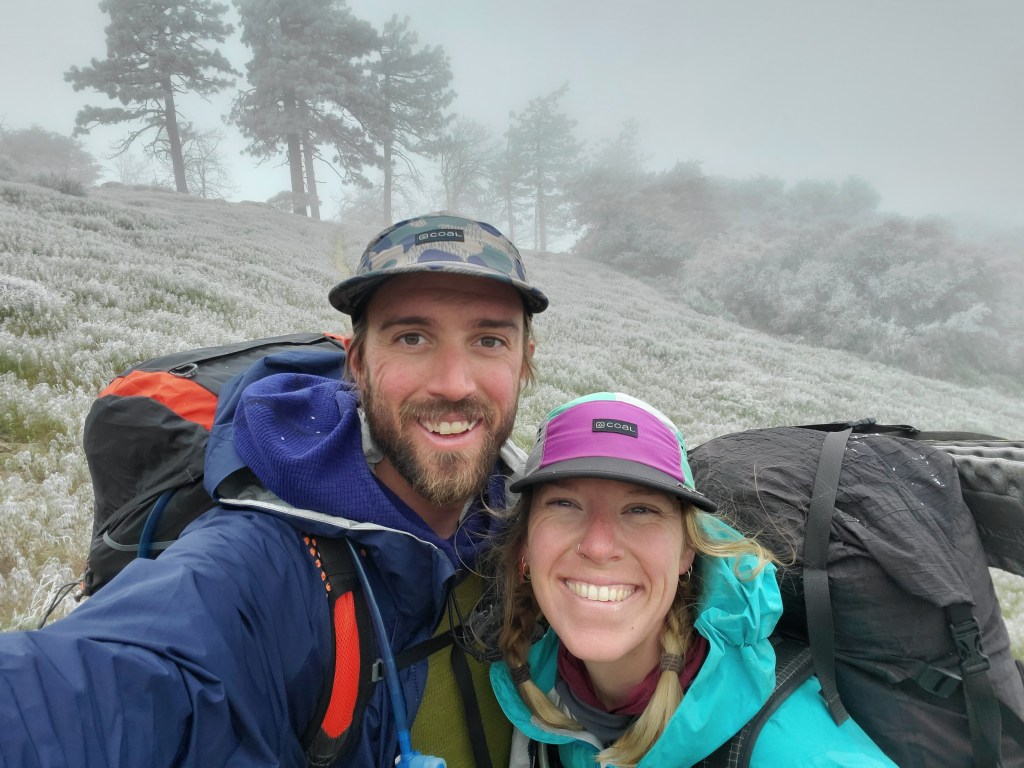
I also thought I was going to feel a lot of pain and discomfort. While I wouldn’t say my body wasn’t pain-free by any stretch, the pain was never enough to truly slow me down. The human body is incredibly adaptable, and after 4 weeks on trail, hiking 20 miles a day felt easy. I felt like a finely tuned machine, built for walking long distance. At the same time, I felt like a house of cards, where even the smallest injury could make it all fall apart. I’m thankful that never happened to me or Maggie.
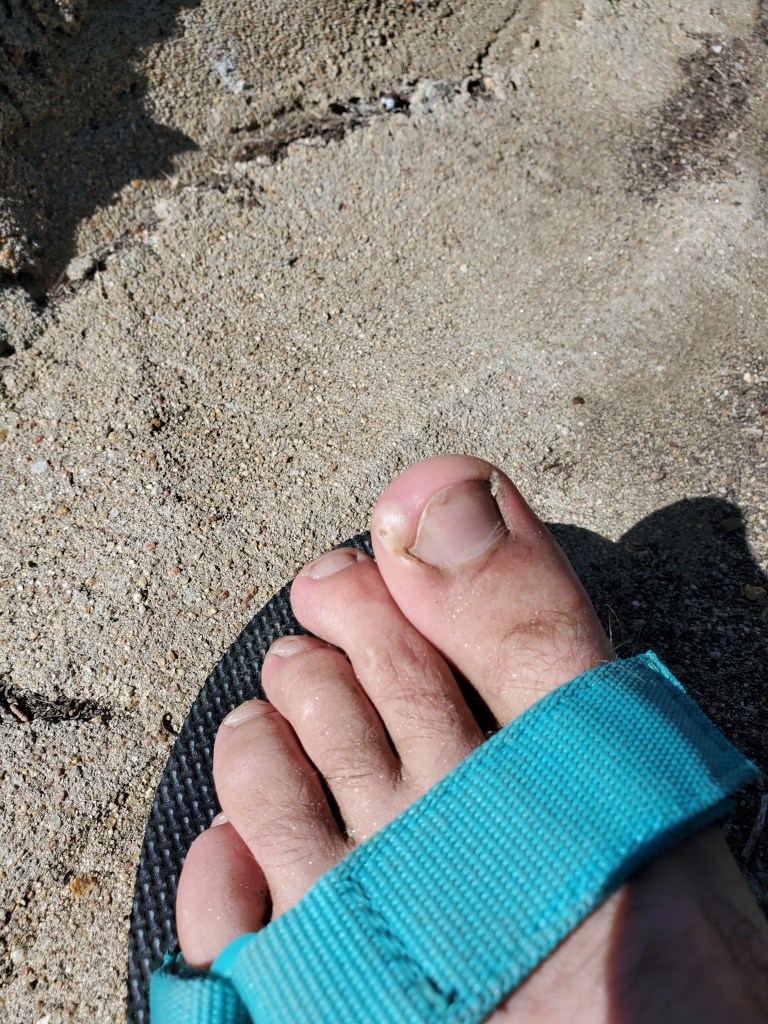
One sensation that was almost universal amongst thru hikers was the “hiker hobble”. After about 1,000 miles, the first few steps out of the tent every morning looked and felt nothing like a normal stride. The bottoms of your feet sear with pain. You attempt to tread lightly with a sort of peg leg waddle, bent over at the hips. The foot pain would only fade after a good half mile of walking. It was rough at times. My best theory on hiker hobble is that the tendons on the bottom of your feet strengthen significantly under the daily pounding of hiking 20 miles with a 20-40 lb pack. Overnight, free from the cyclical loading, the tendons contract, and the first steps begin the excruciating process of stretching them out again. The hiker hobble persisted for two weeks after we finished hiking! I also experienced the fabled “Christmas Toes”. I lost sensation in several of my toes about halfway through the trail. It’s called Christmas toes because sensation usually returns by Christmas, which was more or less true for me. I like the epithet because it often felt as though my toes were sparkling, like Christmas lights twinkling in a snow storm. Discussing this with a physical therapist I know, he confirmed my suspicion that losing feeling in your toes likely comes from stressing your lower back and the nerves that connect down to your feet.
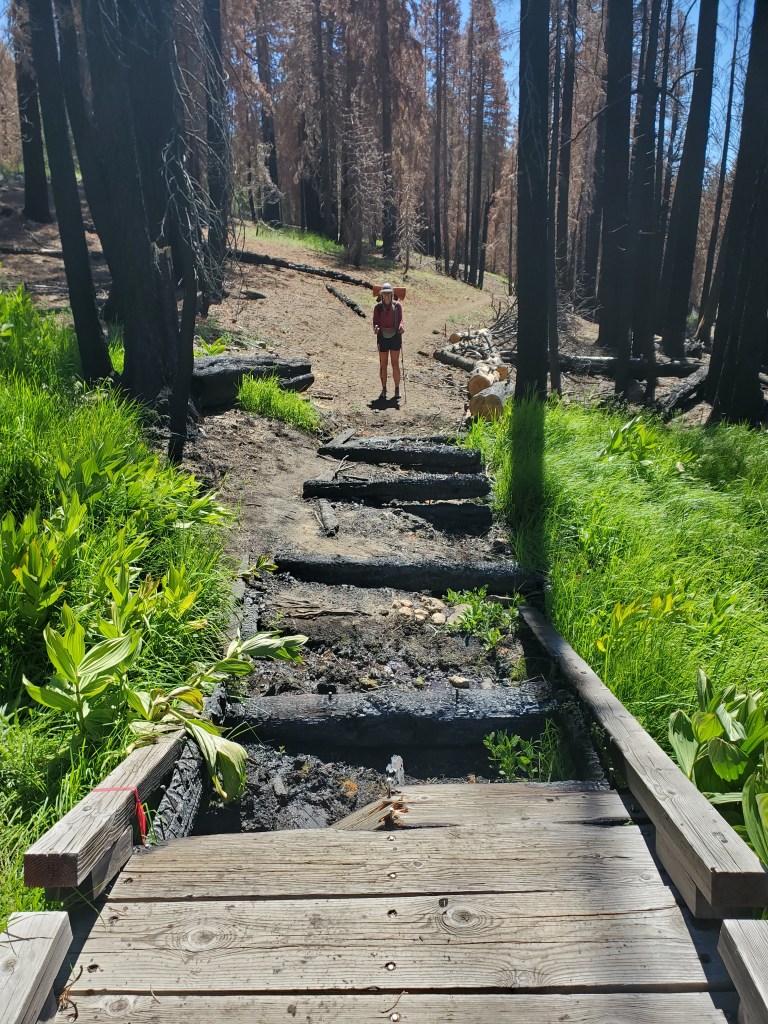
The natural world was certainly beautiful and engaging, however, I think it was the people that made the experience complete. Mountains don’t make me laugh. Trees don’t make me think about different ways to live. I went out seeking solitude, but I often found the endless hiking to be a bit boring when we were on our own. Maggie and I made friendships where we quickly felt like old friends. Hearing about all the places and professions these folks had experienced gave us inspiration to expand our borders. However, there is a balance. After the wild fires in NorCal and Oregon concentrated all of the hikers in Washington, the trail began to feel a bit crowded, and most people weren’t interested in making friends at that point. I think the permit system allowing 50 NOBO hikers per day is at the right level to enable a social scene, while controlling crowds and impact.
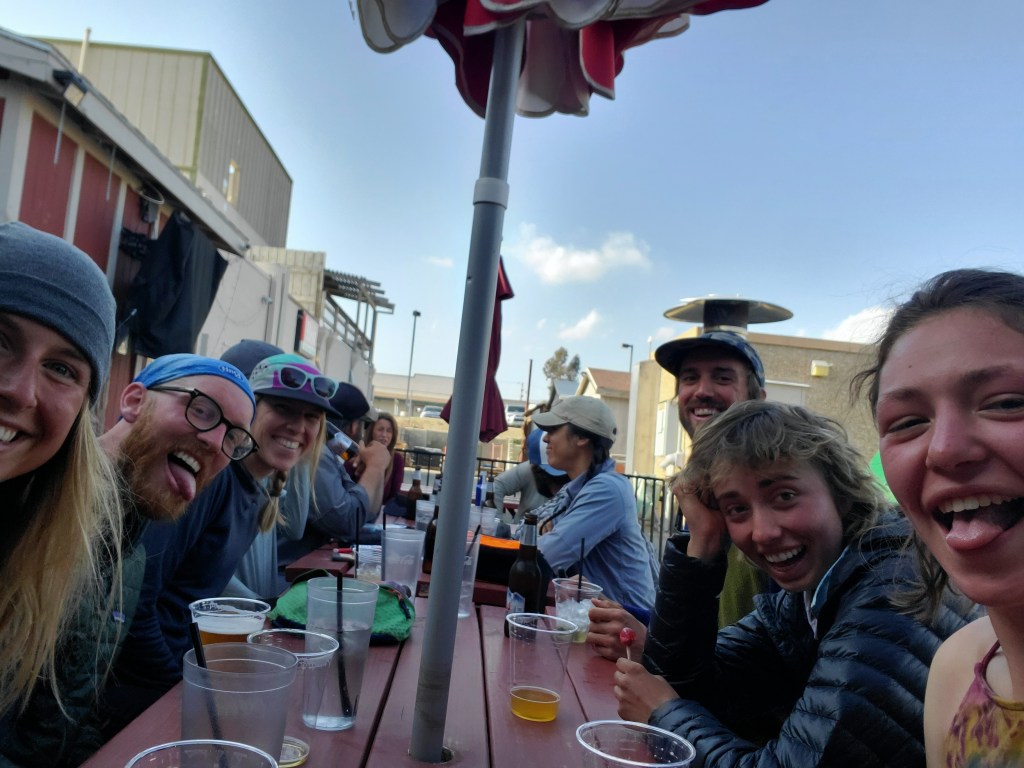
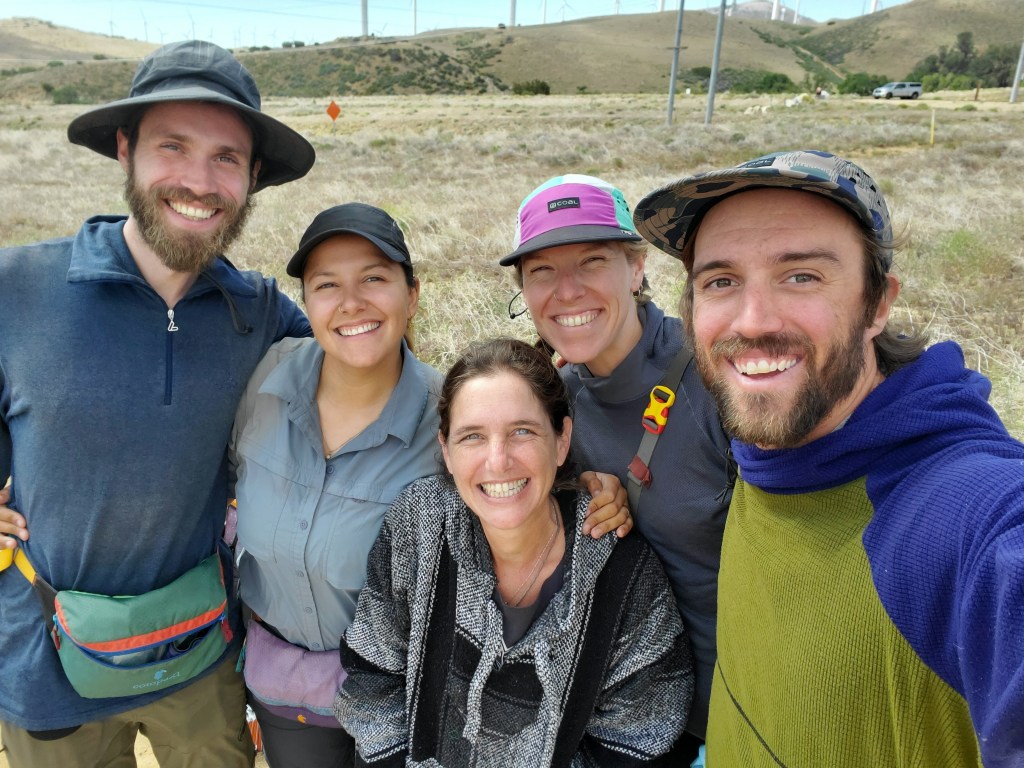
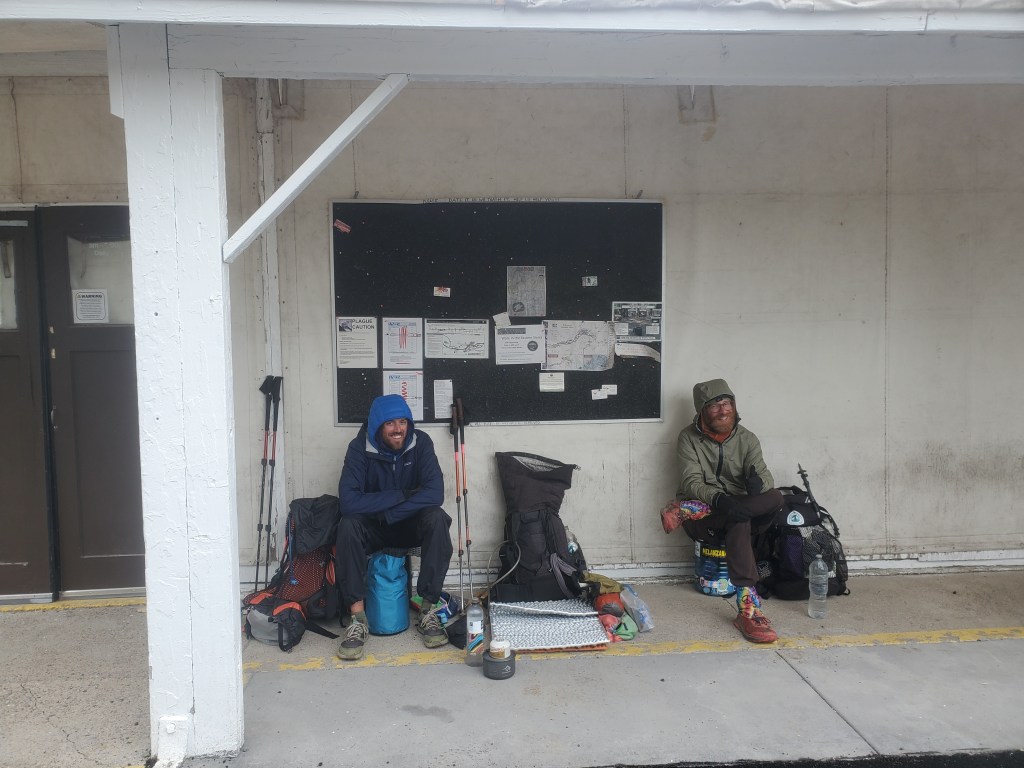
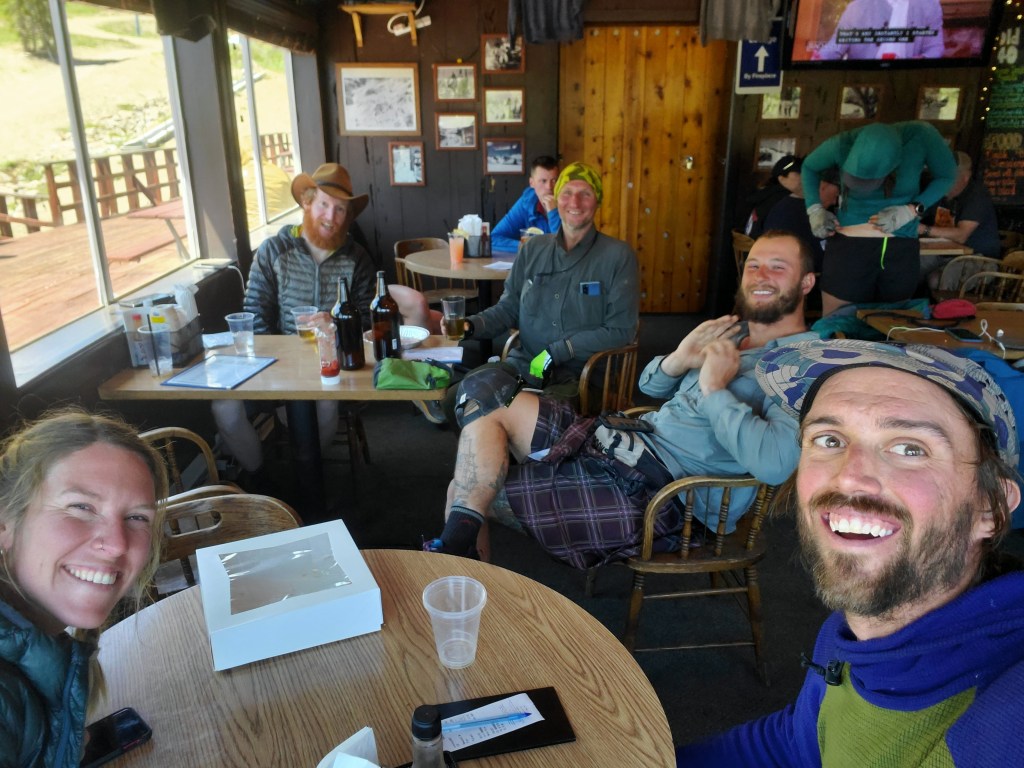
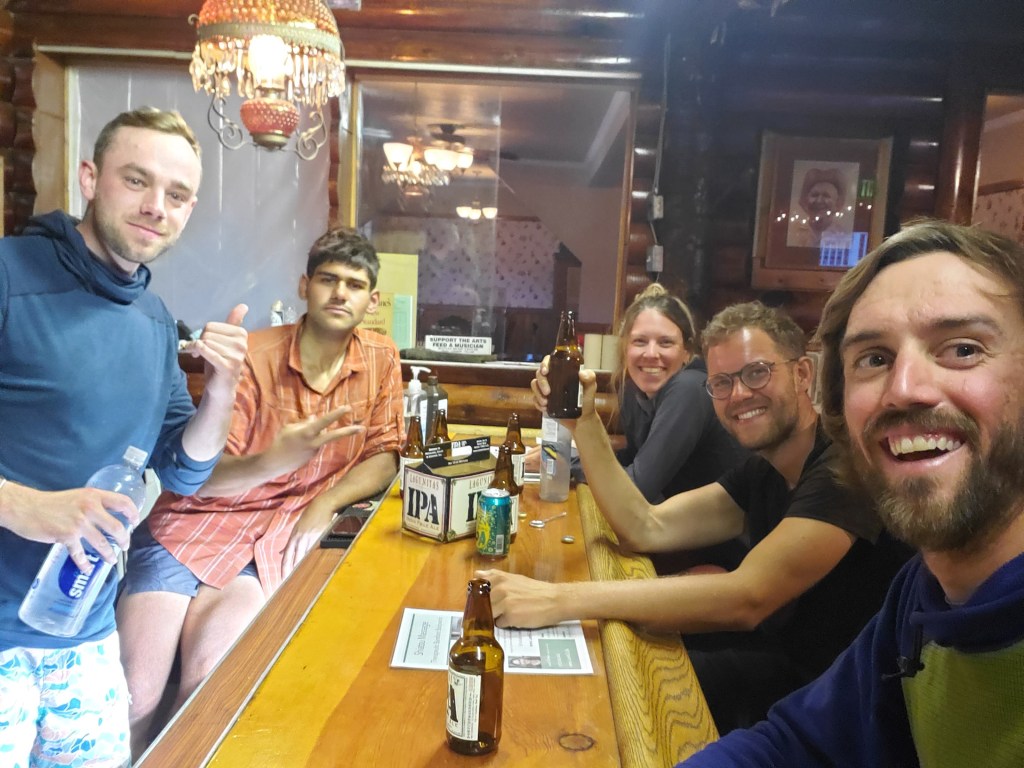
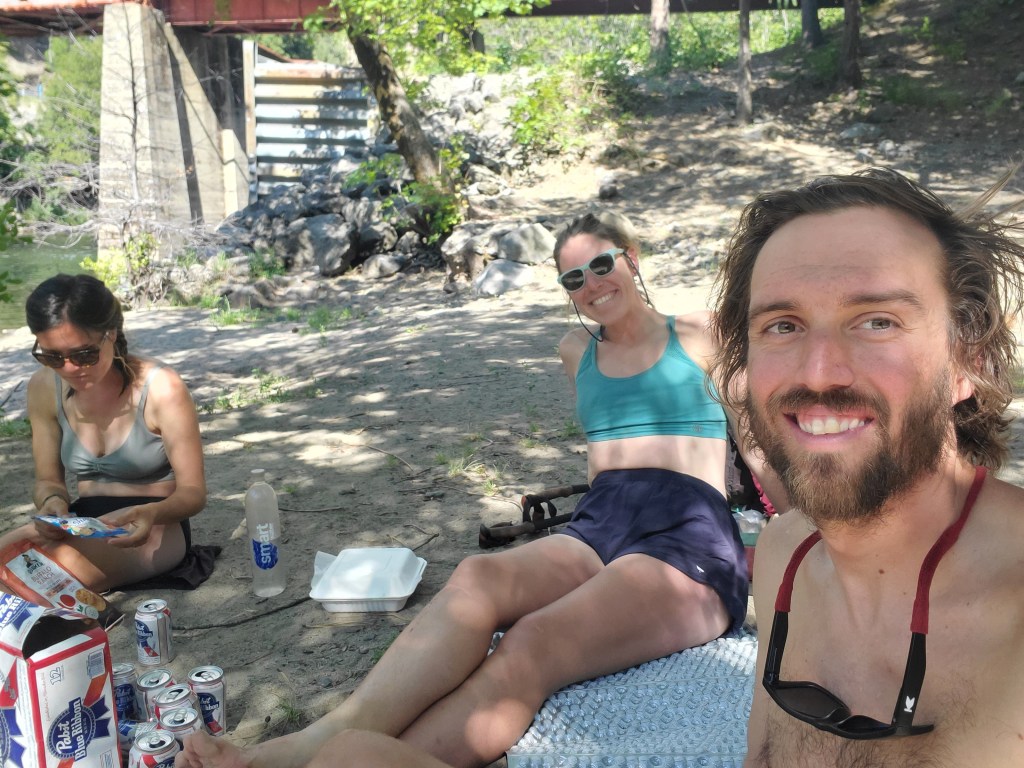
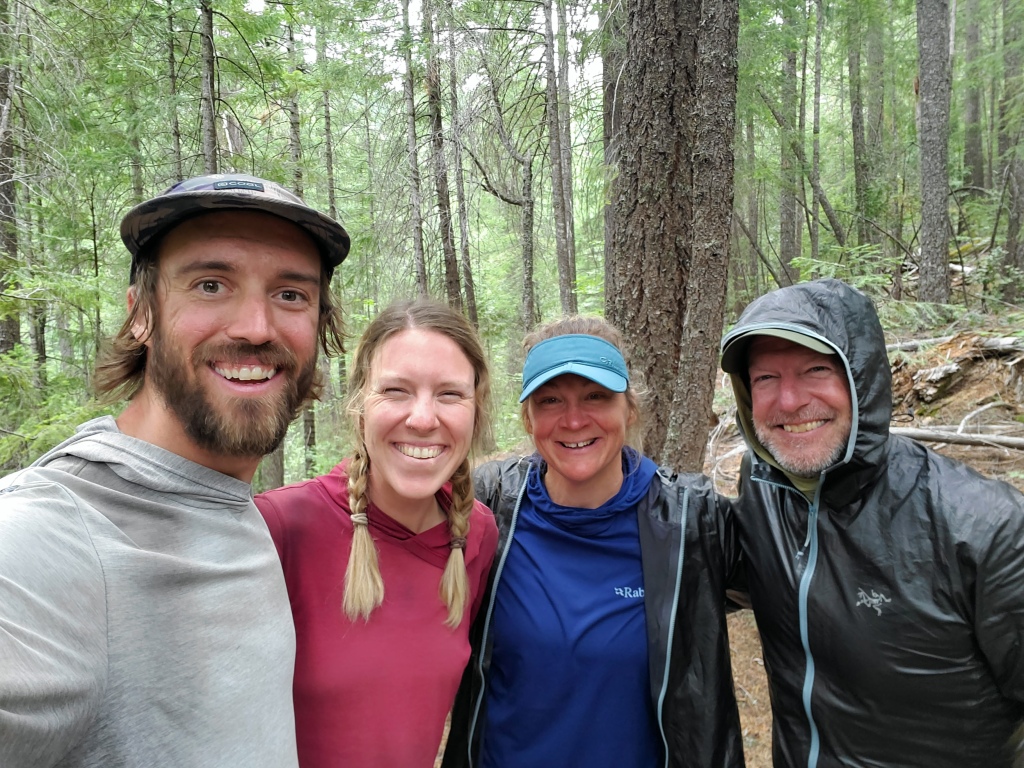

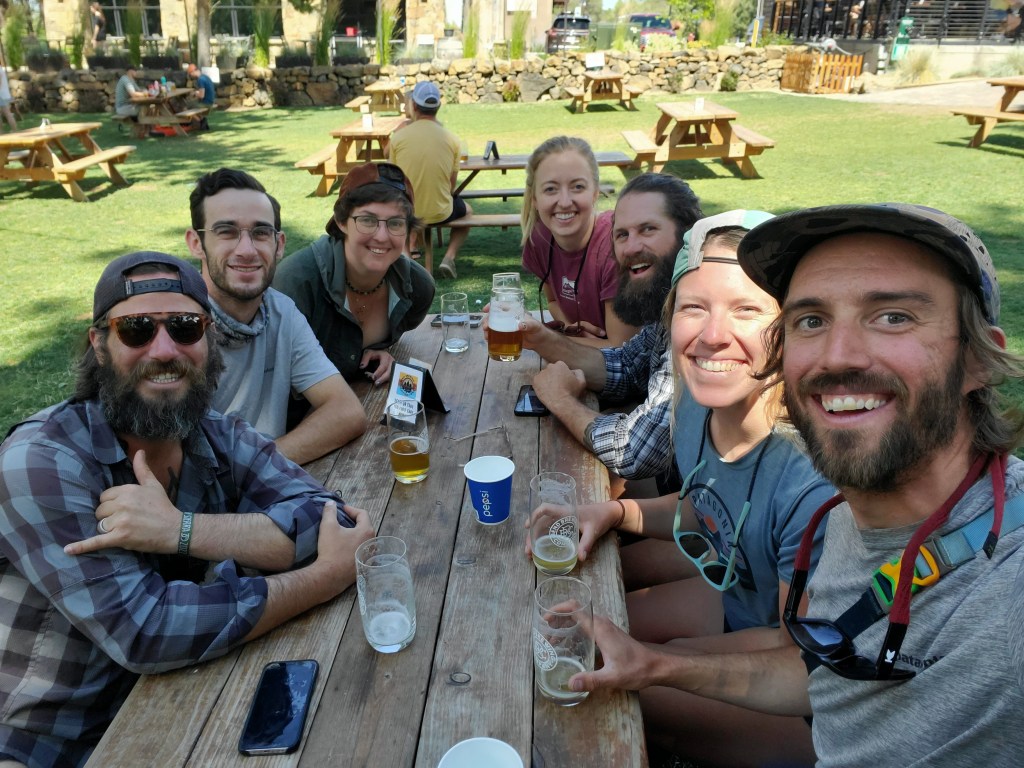
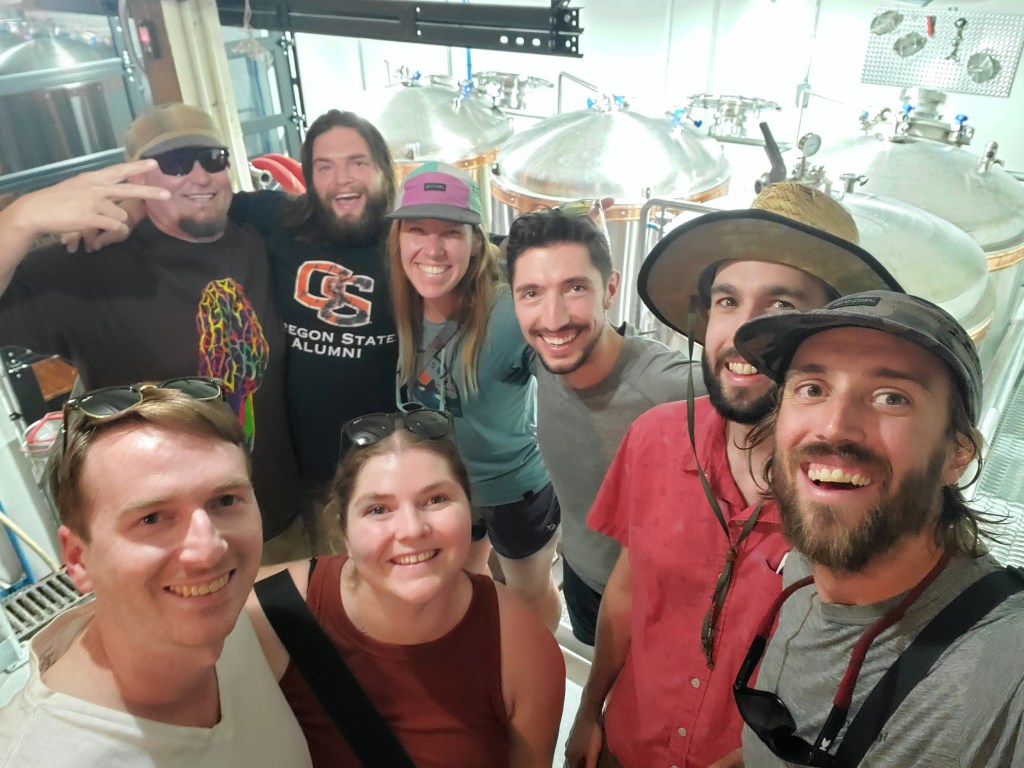


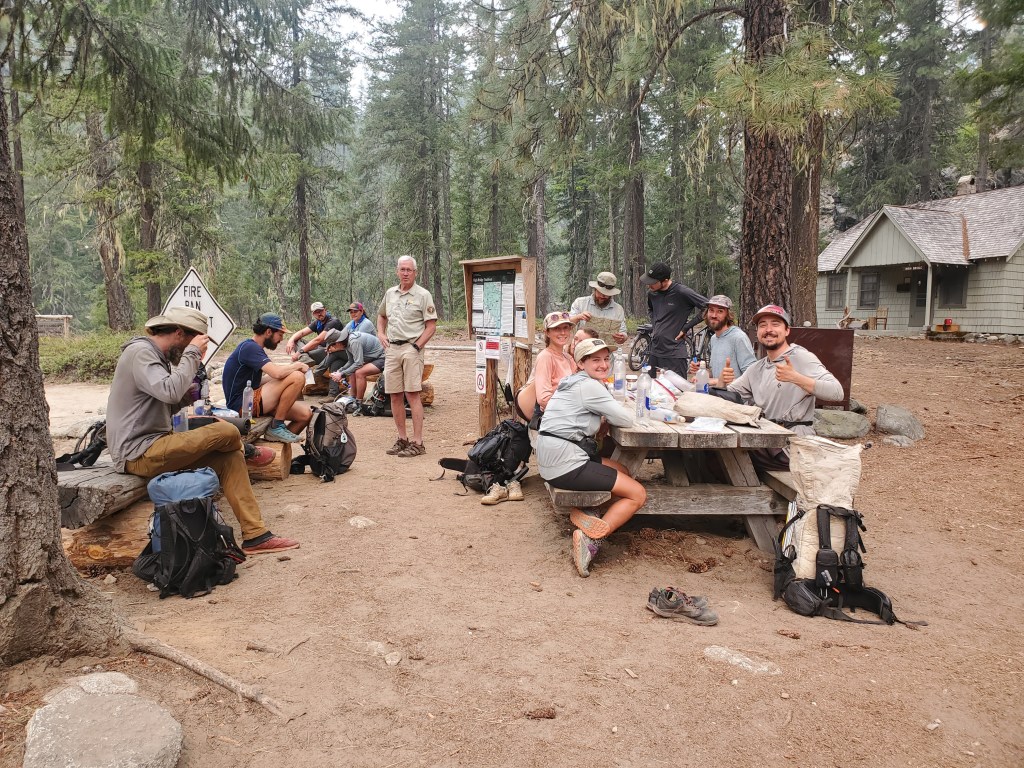
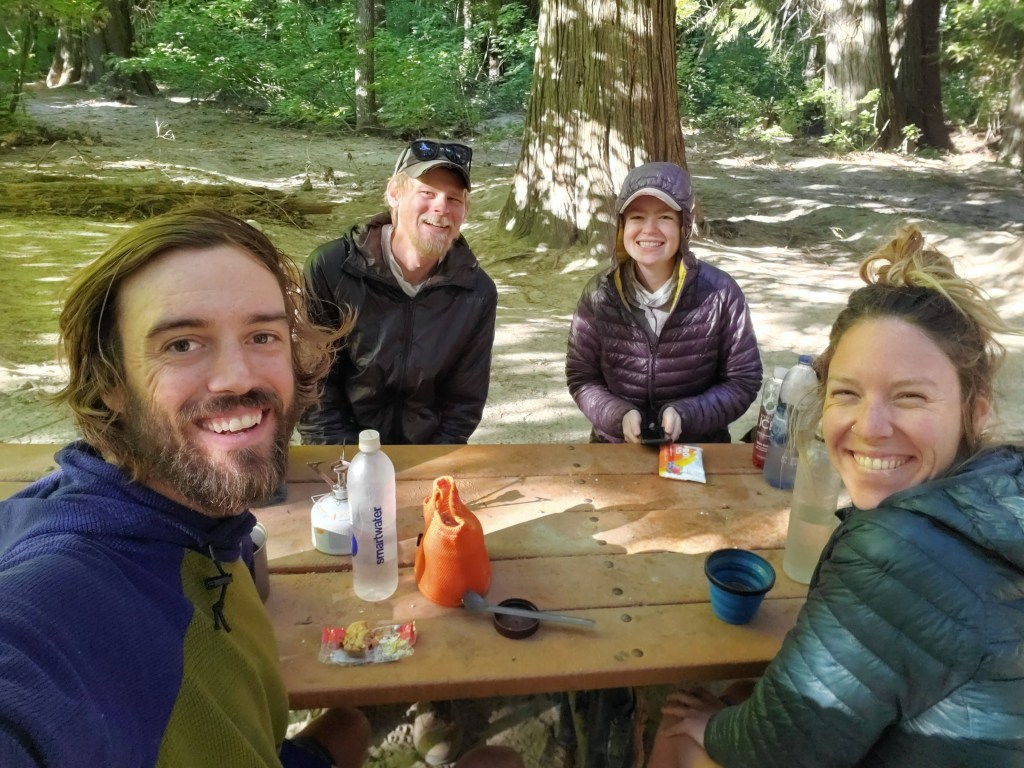
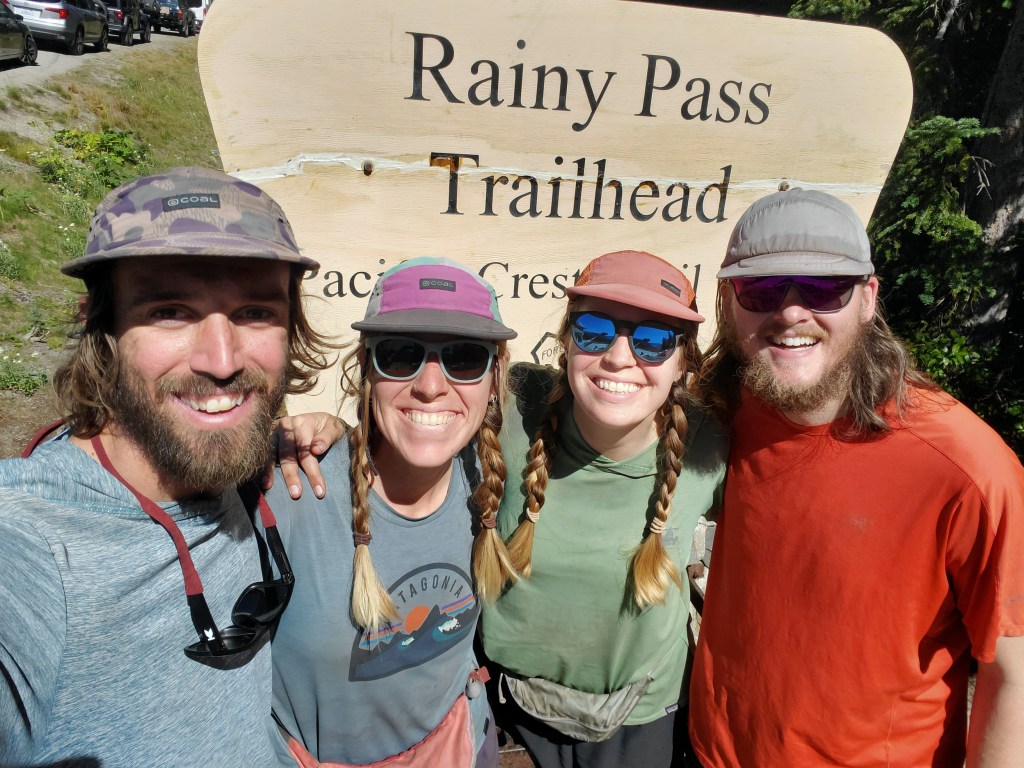
I also feel like I learned a lot about people, and what it means to be a good person. We were on the receiving end of so much generosity! I often lose faith in humanity perusing the news headlines, but the PCT brought out the best in everyday folks. From short hitches to town, to trail magic (snacks and drinks), and even letting us stay in their home – real people were being real generous the whole way. Even fellow hikers made a point to share extra food or help fetch water. There is a special kind of happiness you feel when some one does something nice for you. Maggie and I are both eager to return to favor!
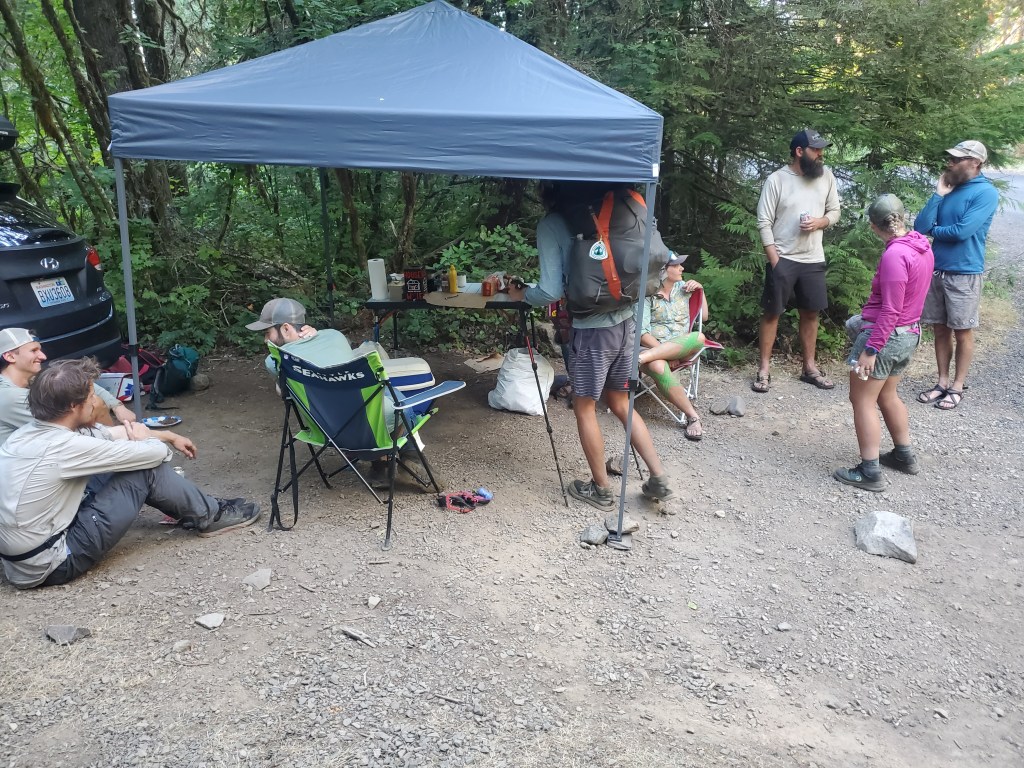
I think the biggest lesson I learned is that nothing is guaranteed. I was afraid my body would develop some sort of stress injury, but as mentioned before, everything held up fine. Based on recent history, the prospect of wild fire in California seemed almost certain. When we made it to Oregon without any fire reroutes, we were feeling lucky, like our trip was special. That didn’t last much longer as the wildfires caught up to us in Southern Oregon, then again in Northern Washington. There is a lingering sense of disappointment for missing 200 miles of trail, but we hope to hike what we missed someday. Other than the fires, I feel like everything did work out quite well for us. We heard of so many hikers who had to skip a lot more trail, got sick with covid for a week+, or had hike ending injuries. It really goes to show that as much as you plan and hope, life is never certain. It’s grim on one hand, but on the other it’s empowering to live in the present. Take life one step at a time, the advice Maggie gave me before we even set foot on the PCT. Afterall, it only takes one step to walk from Mexico to Canada.
 Distance Over Time
One response to “Pacific Crest Trail – Thoughts and Reflections”
Wow!!! What an amazing adventure!!! Thank you for sharing with us all!!! We got to see that part of USA! You 2 are amazing to hike that far! Something you will never forget!
LikeLiked by 1 person