
2 March 2025
The whole reason Maggie and I made the trip to Spain was to visit her relatives, Kristen, Jake and their three kids, living in Malaga. They had a beach side apartment with an extra room. We found our way there after a short train ride from El Chorro and long walk through the city.
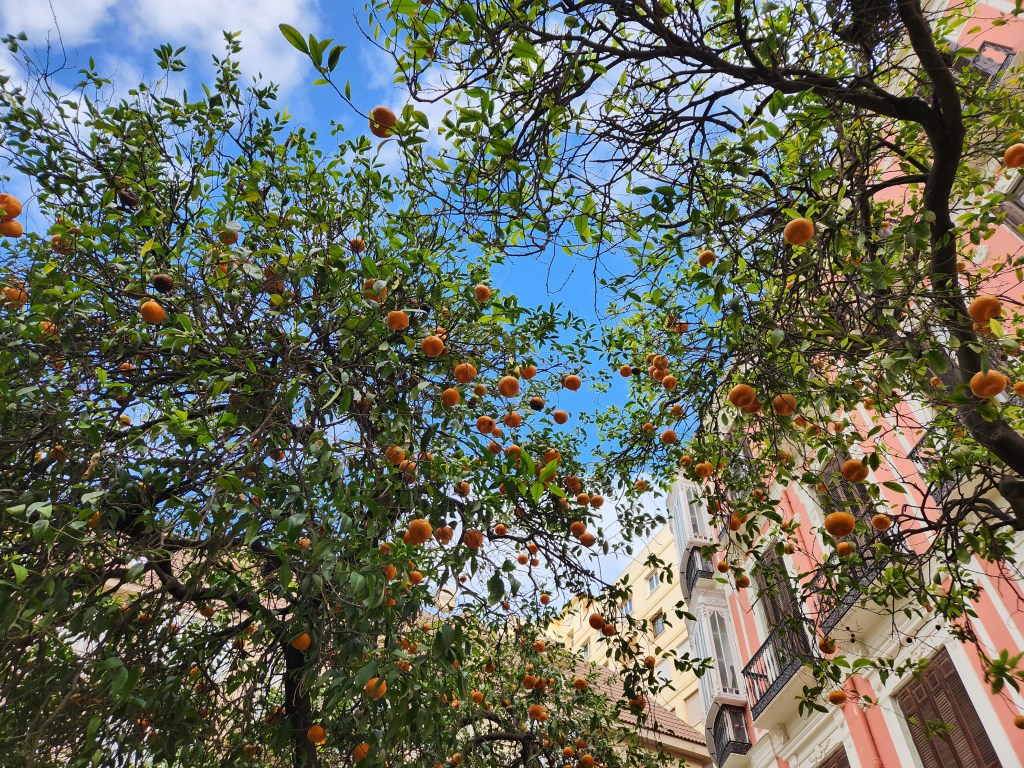
After lunch, we started walking towards the historic Centro district. I was struck by how verdant the flora was around city, despite the fact that it was still technically winter—palm trees, bougainvillea planters, and citrus trees bearing fruit. I was seeing the appeal of the mediterranean climate.
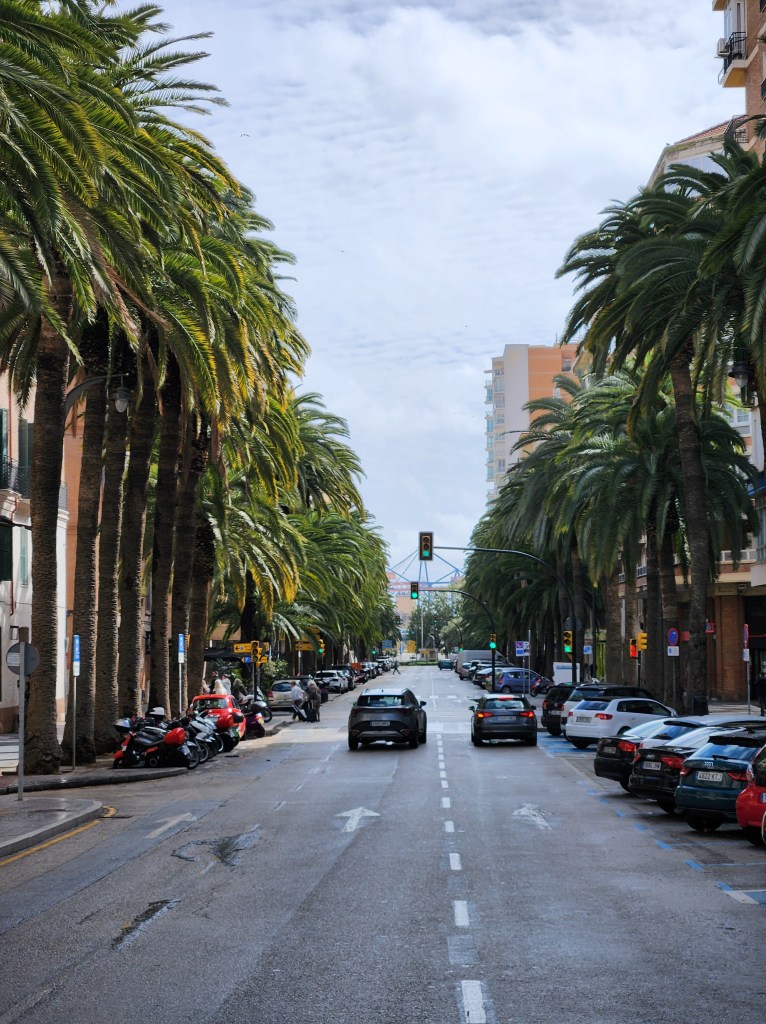
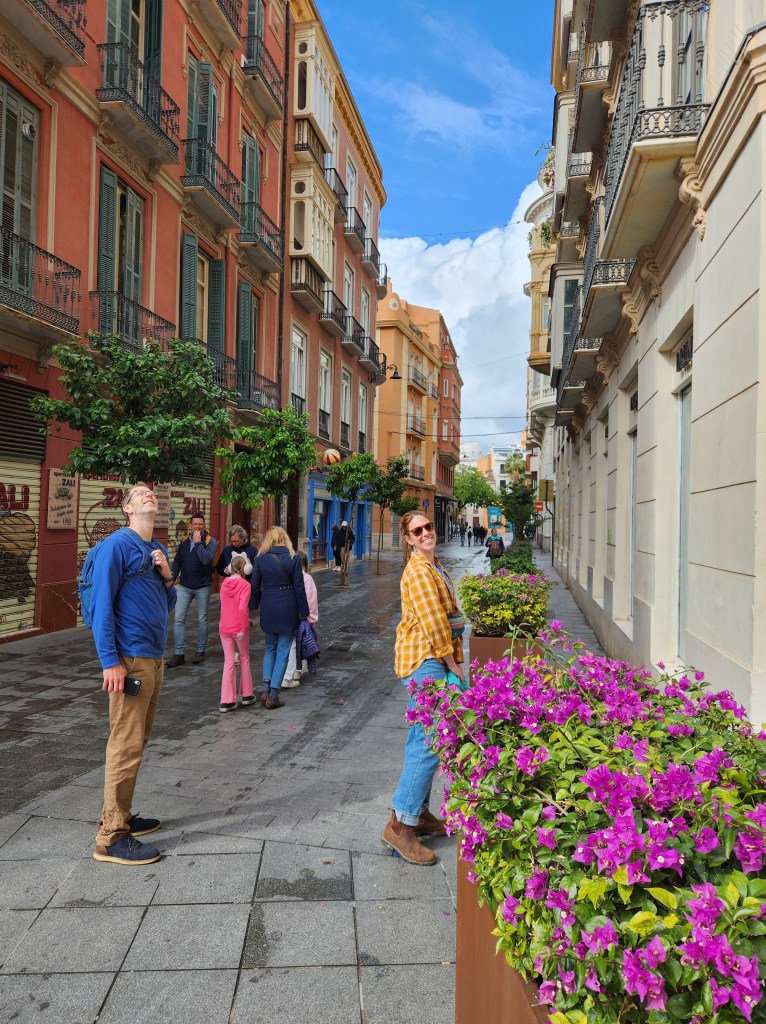
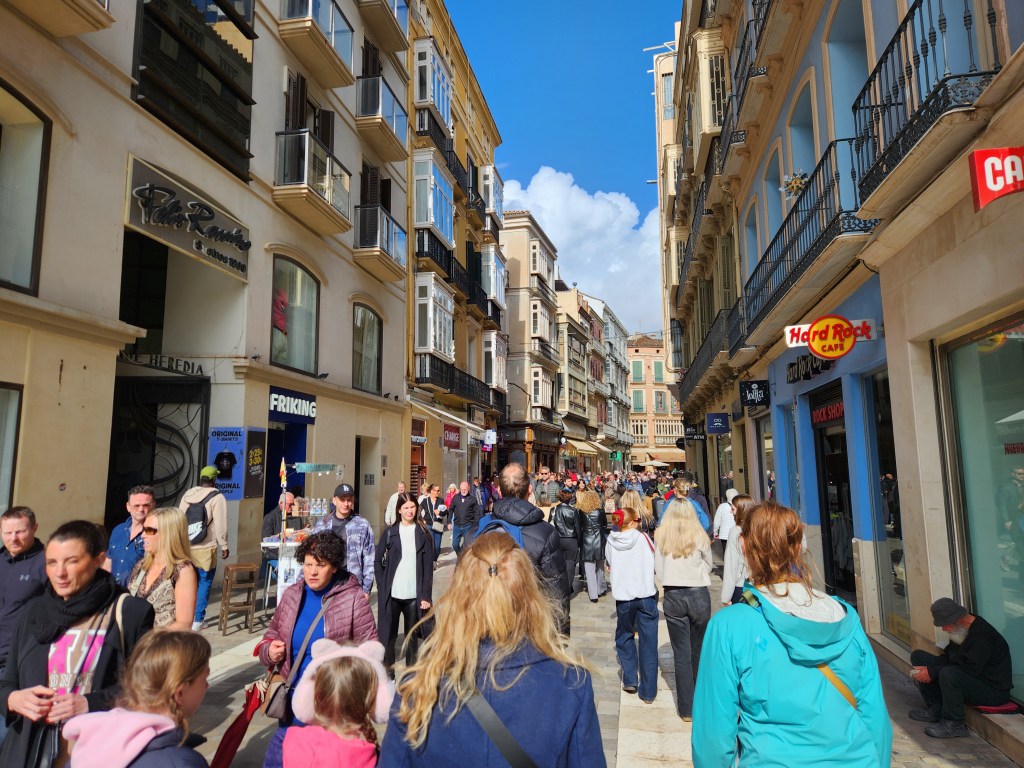
The city Centro was super cool. The streets were mostly closed off to vehicles, rarely wider than about 40 feet. More than mere concrete or asphalt, the streets were lined with elegant stone work, with marble making up a decent portion of the surface. Quite fancy, but also quite slippery!
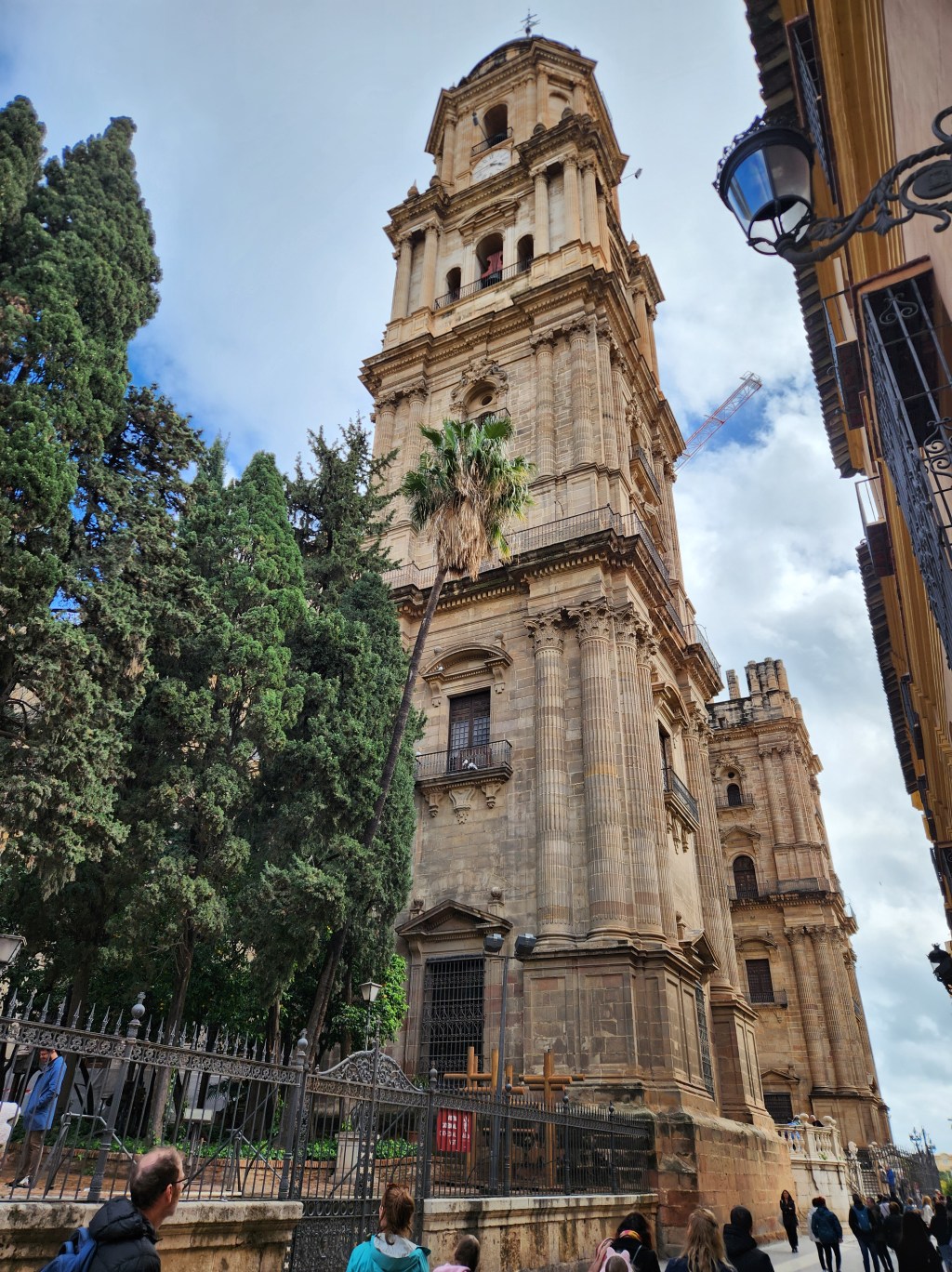
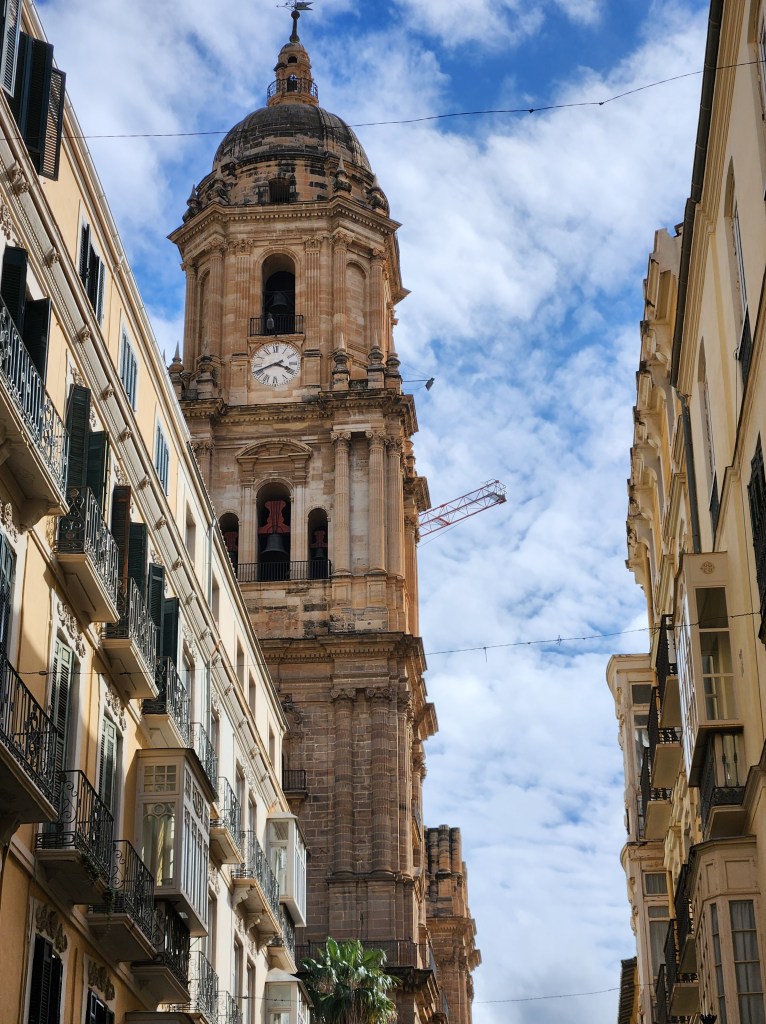
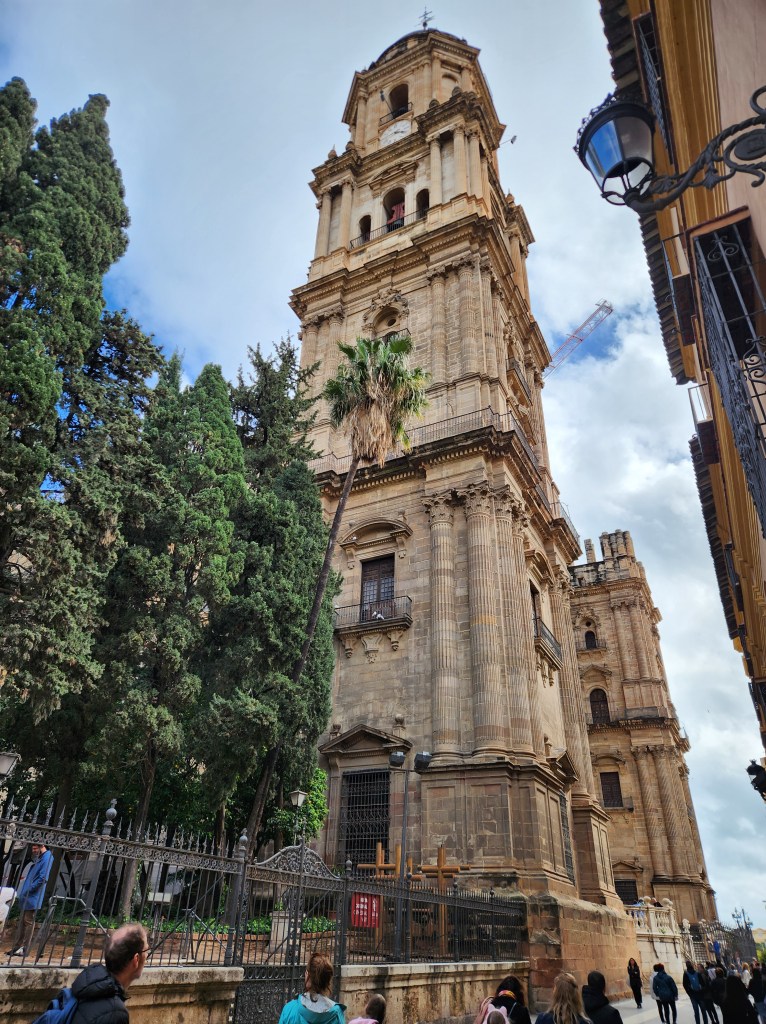
We turned a corner and suddenly one building stood higher than the rest, none other than the cathedral. Staring up at the 275 foot bell tower felt surreal, more like something out of a fantasy than anything belonging to this world. I’m not religious but I can appreciate the inspired architecture.
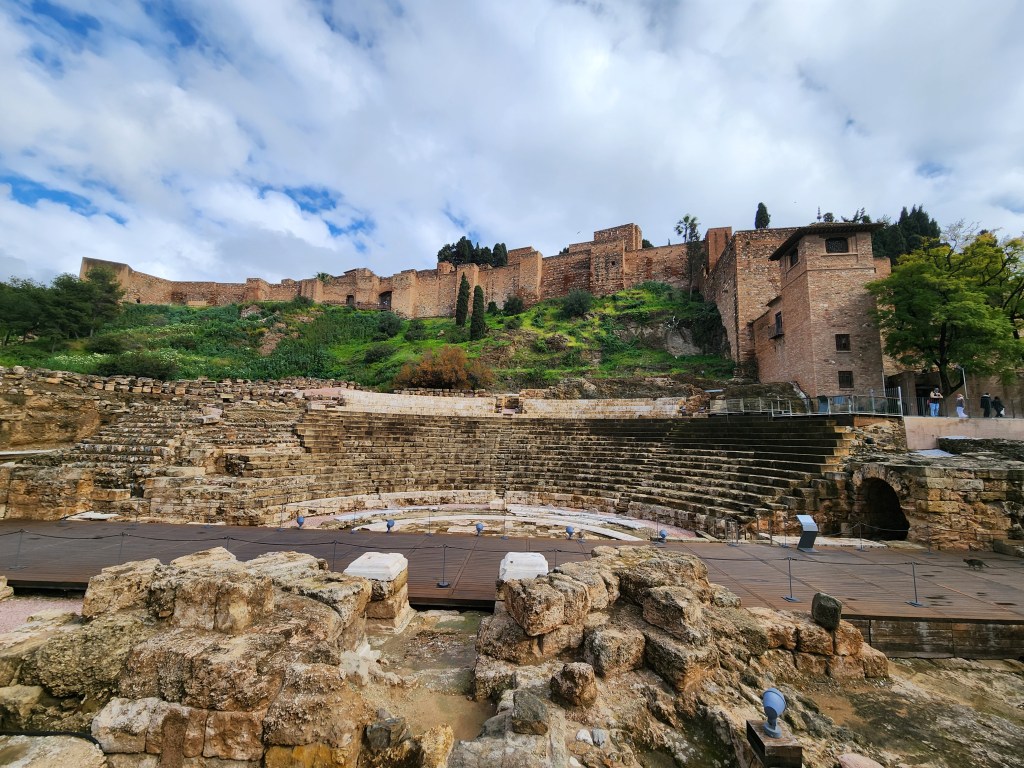
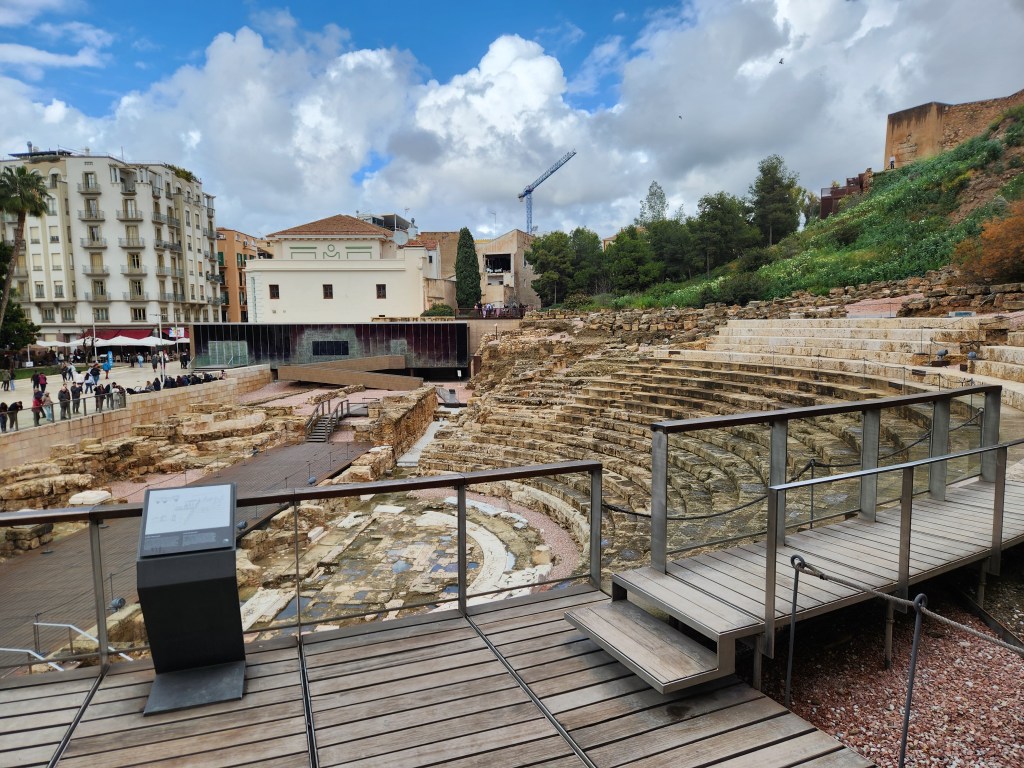
Next stop was the Roman theater and Moorish Alcazaba. They say in Europe 100 miles is a long way, but in America 100 years is a long time. It was pretty mind blowing to be looking at a theater that was built by humans almost 2,000 years ago. The Moorish Alcazaba (translates to ‘citadel’) was built 1,000 years ago; it wraps around the slopes above the theater. The Alcazaba is open to the public for free on Sundays, so we all ventured in for a self guided walking tour.
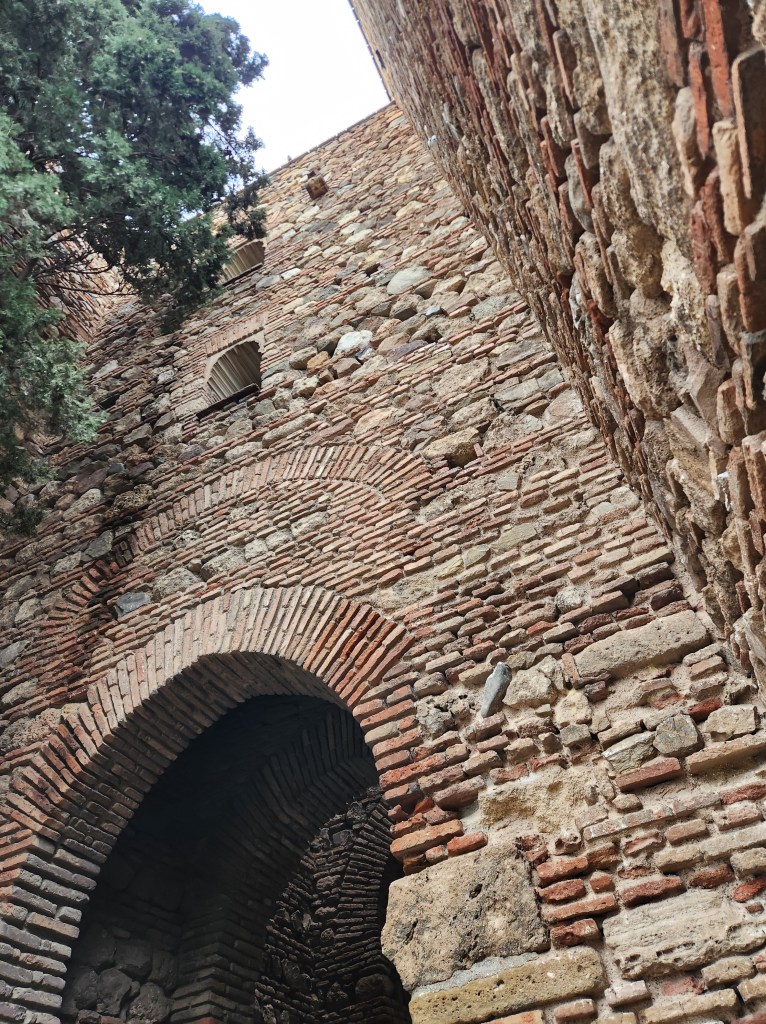
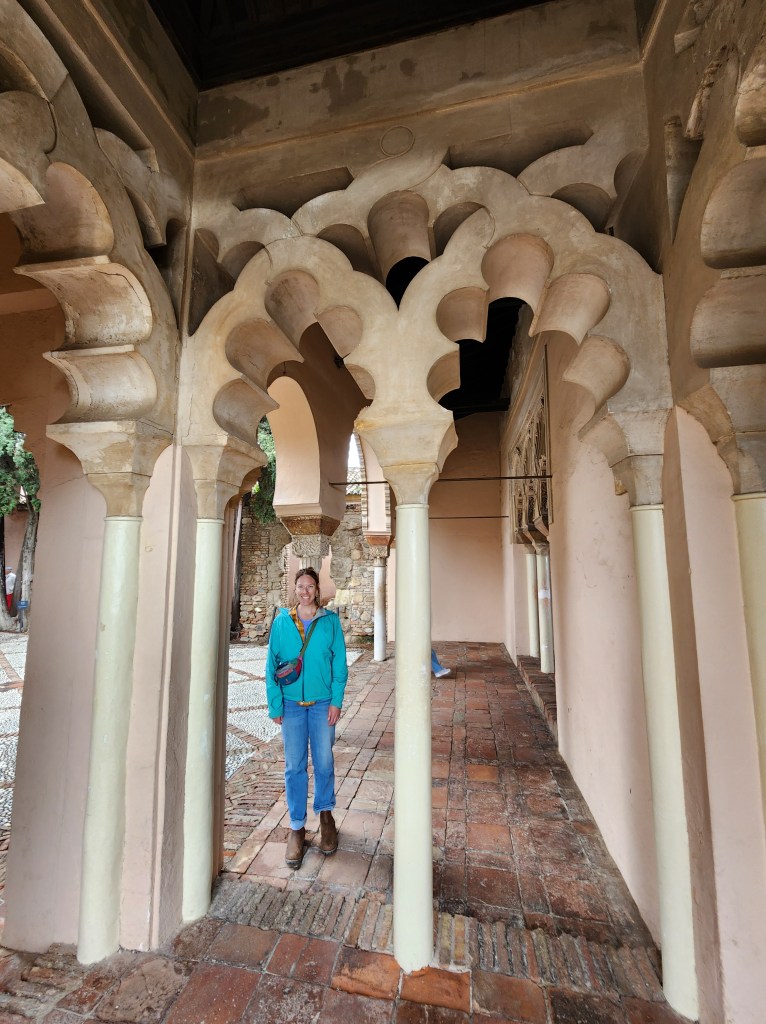
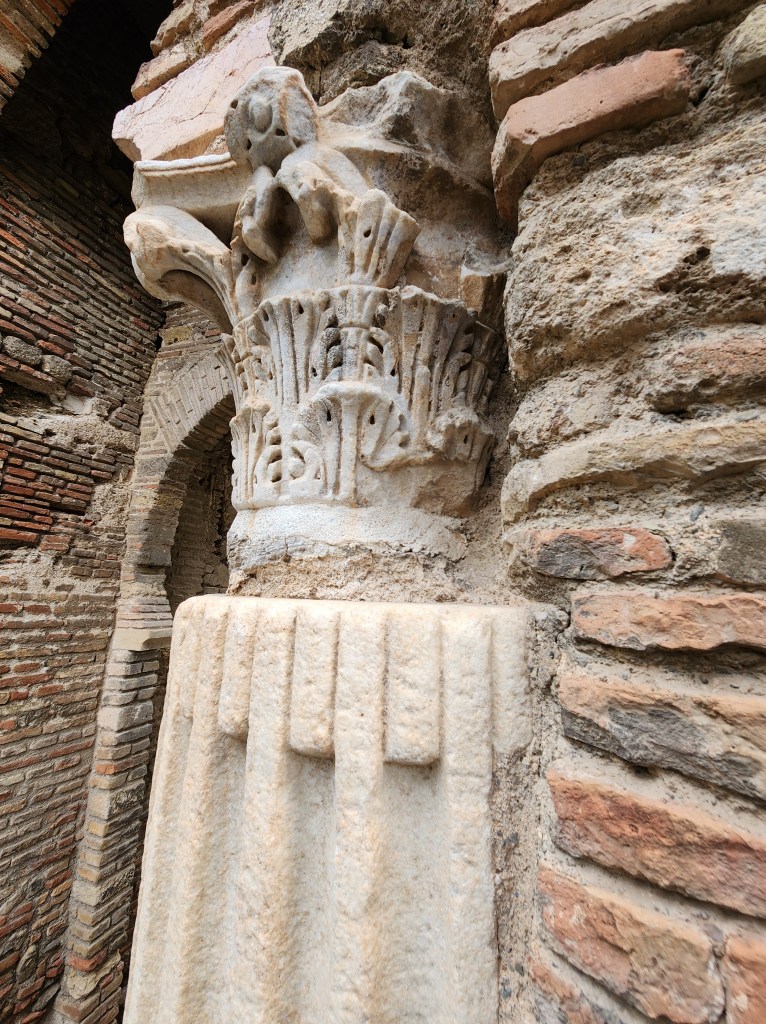
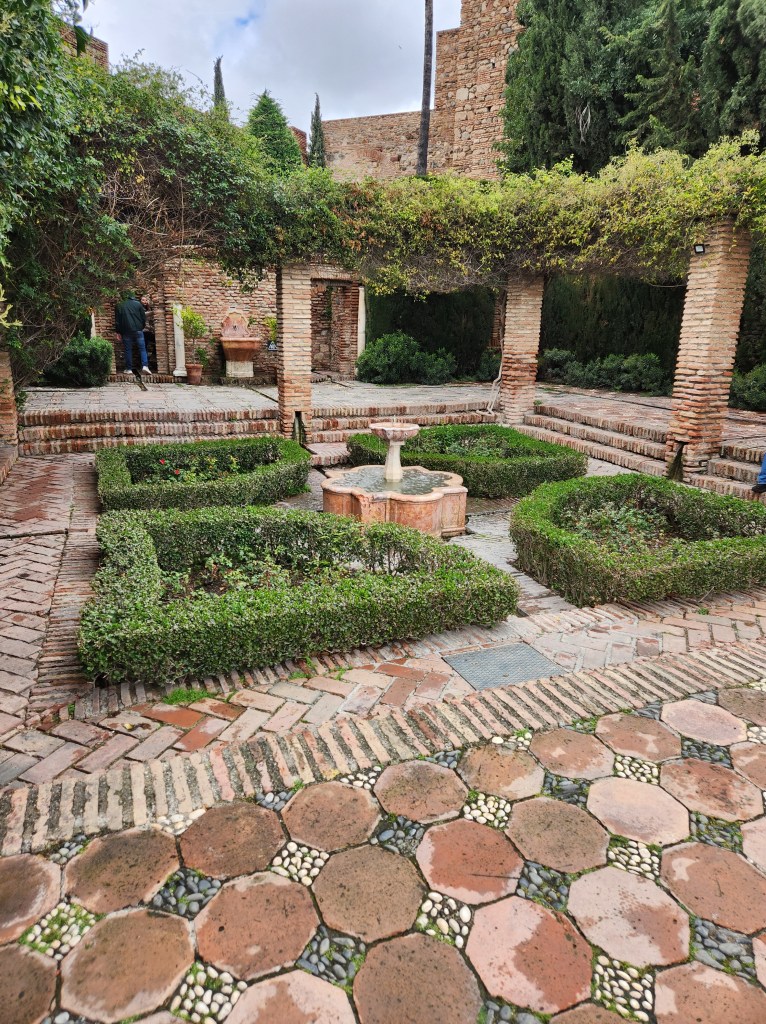
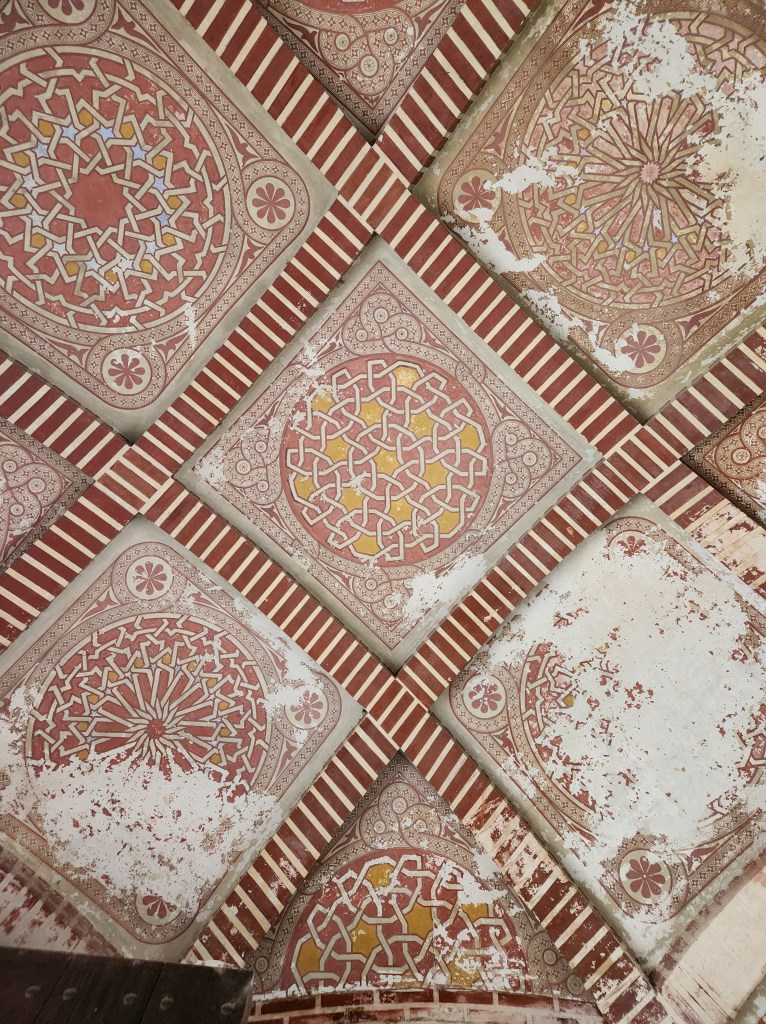
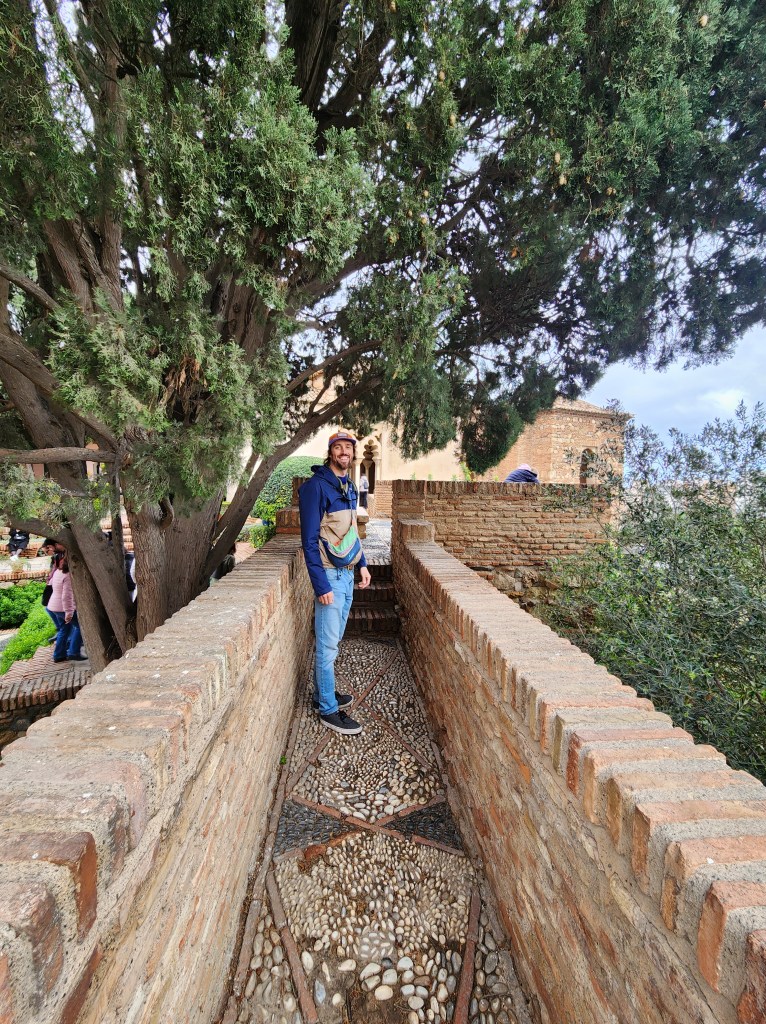
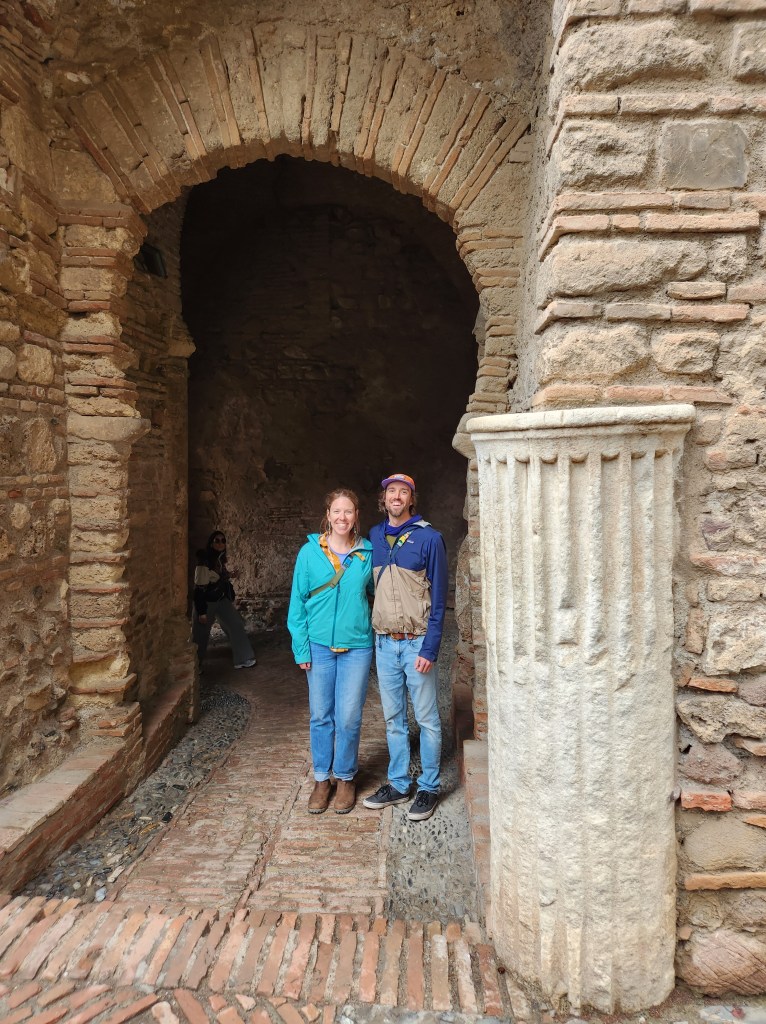
The Alcazaba felt like a huge maze. We followed the crowds, ascending the stone walk ways. The masonry was very interesting. The rough cut bricks and cobbles looked both crude but also very precise. The arches and domes were standing the test of time after a millennium of bearing weight. There was an occasional Roman column, moved from elsewhere to decorate the Alcazaba. Cypress trees and gardens adorned the Alcazaba, making the old citadel feel like it was still alive and well. We wandered higher and higher until we got a view of the whole city.

Worn out from a day of walking and sight seeing, we had a relaxing evening back at the apartment. We made a plan with Jake to rent a car and check out Antequera the next day.
3 March 2025
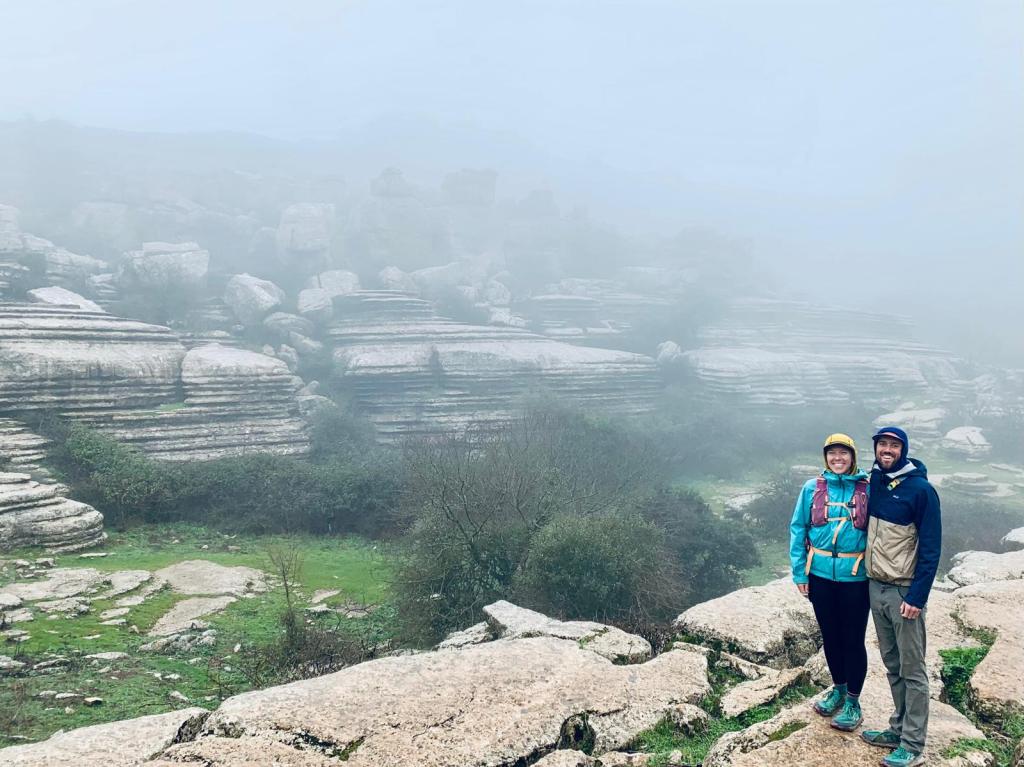
After a bit of a late start, Jake, Maggie, and I hit the road for Antequera. The weather had turned again and a steady rain fell for most of the drive. We decided to get out for a hike first in El Torcal de Antequera, a lofty limestone mesa with curious rock formations. We entered the clouds as we drove up the side of the mountain. On the way up, we could see hints of strange rocks off the side of the road.
We picked a short loop to hike from the visitor center. Immediately, there were rock gardens of these odd boulders that looked like stacks of pancakes. The layers were so evenly sized it really made you question whether it was natural or man made.
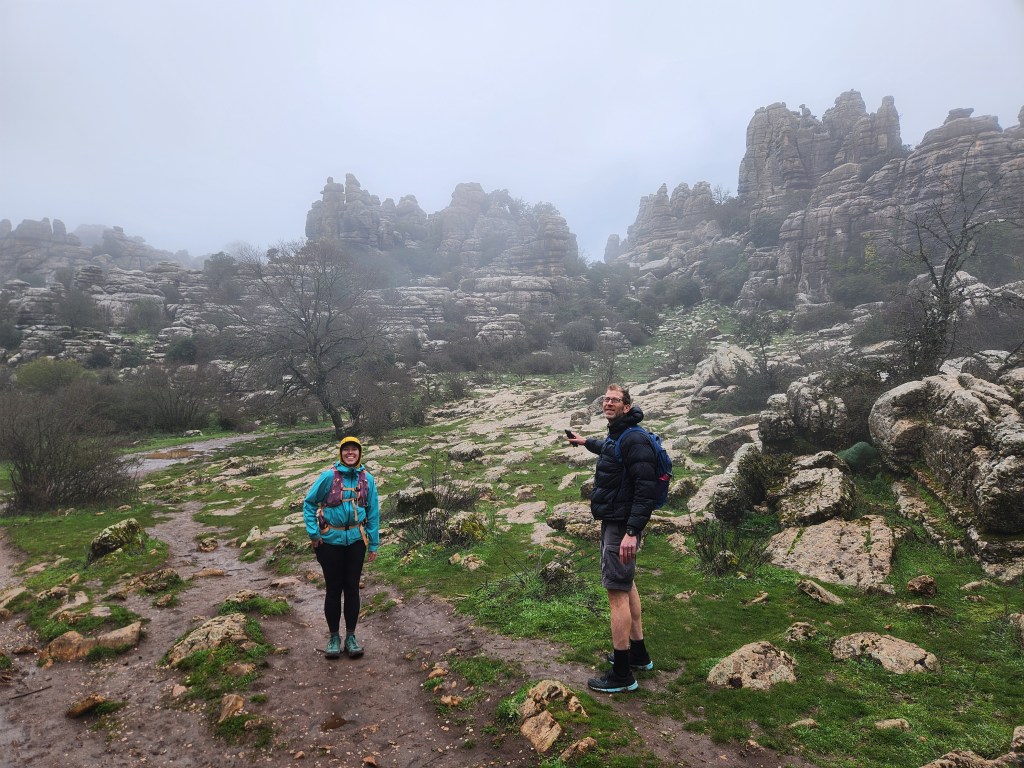
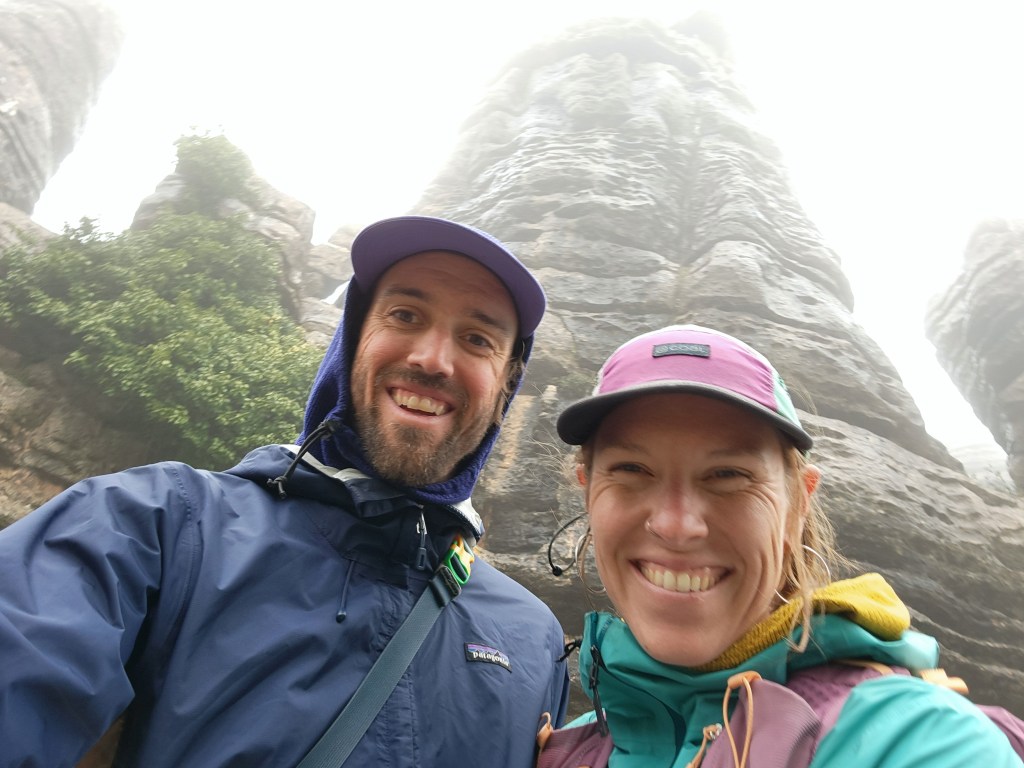
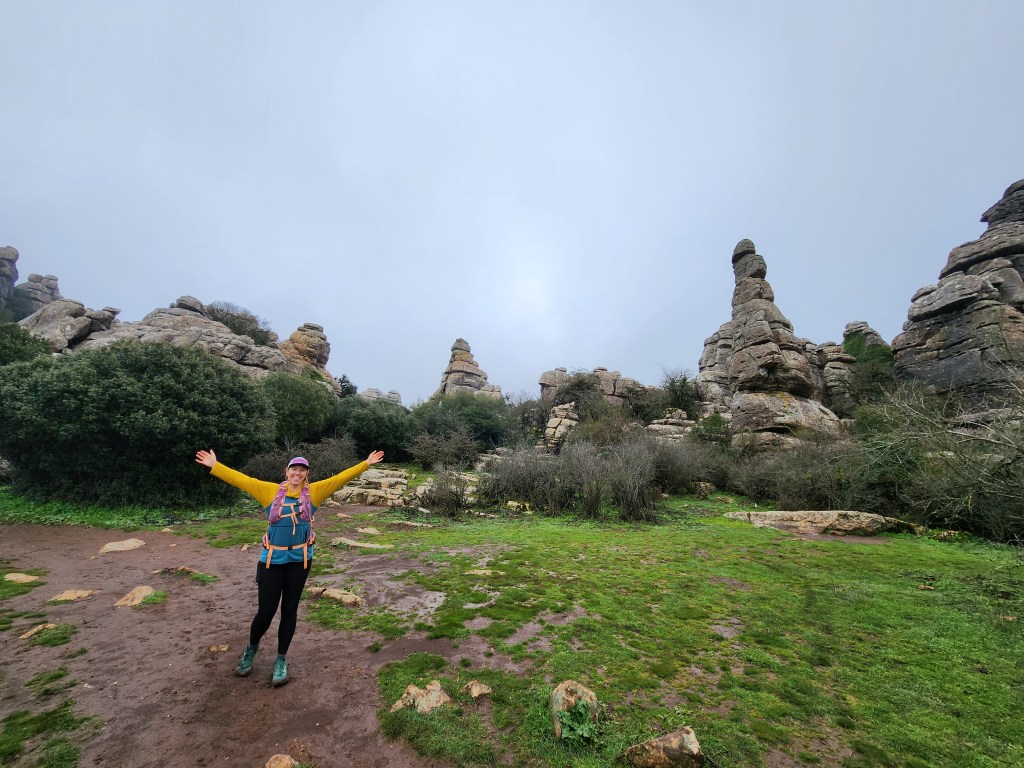
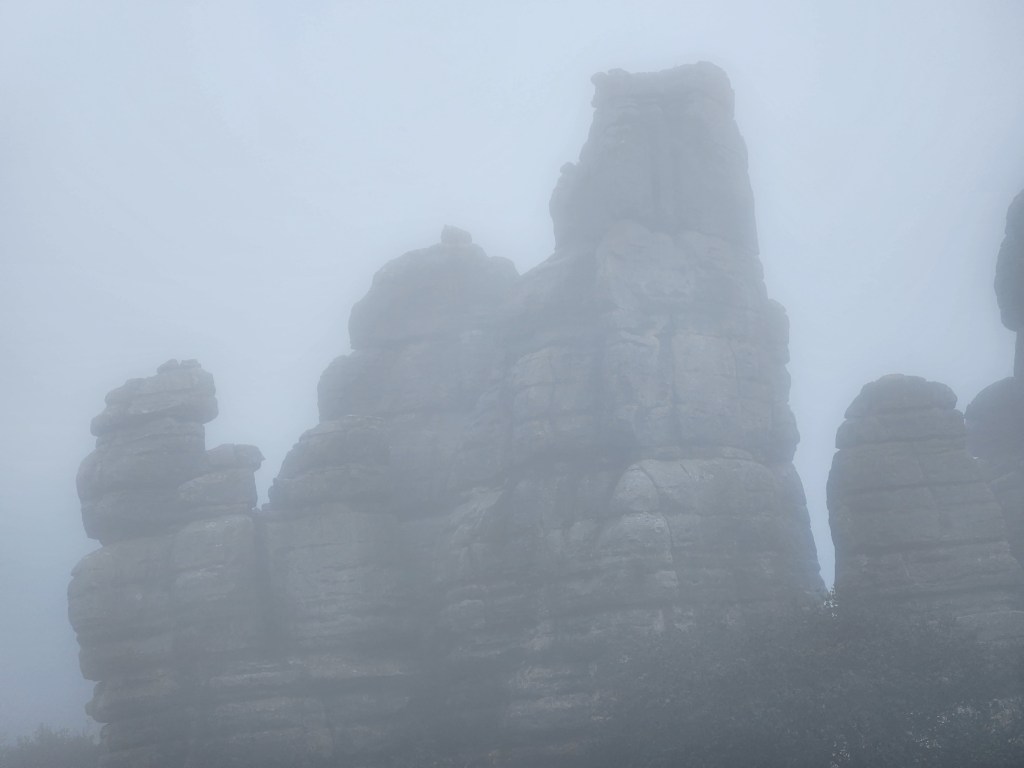
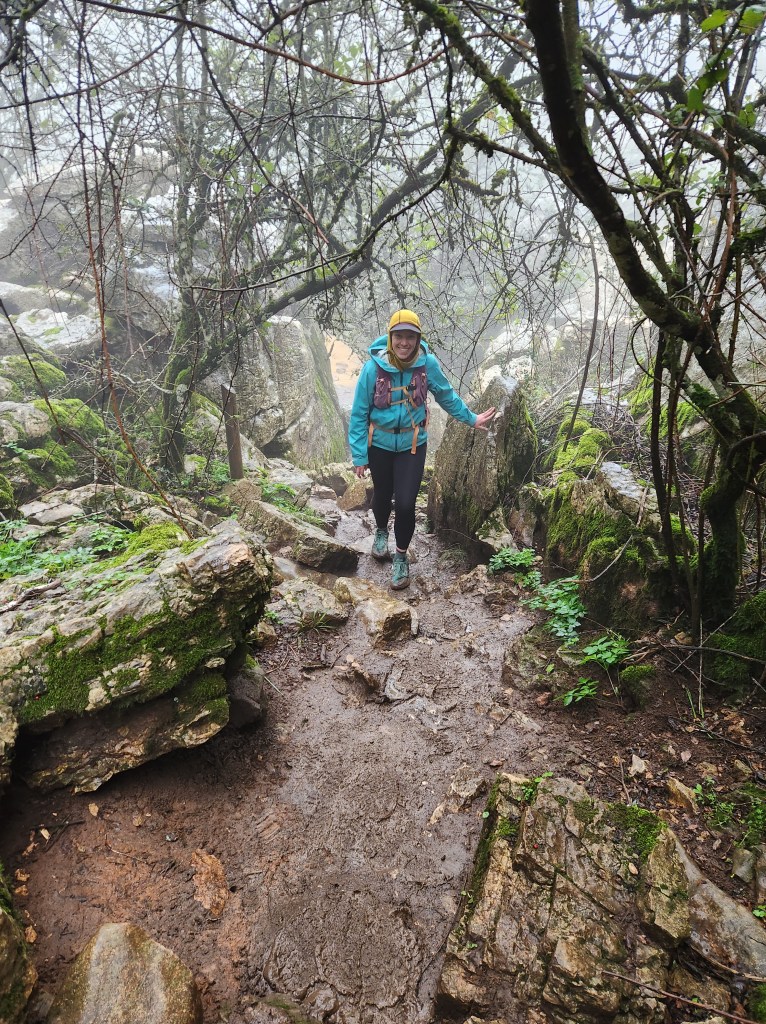
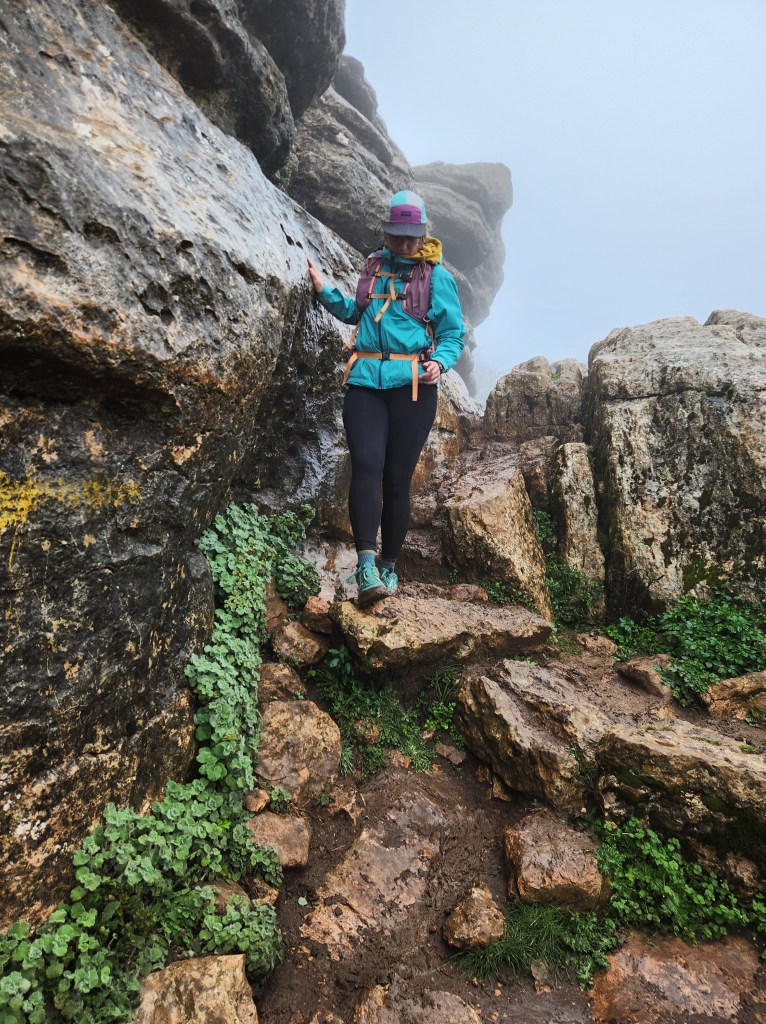
The mist was heavy, the drizzle was light. Under the circumstances, our trail was dissolving into some of the stickiest and slick mud I have ever experienced. Limestone becomes very slippery when wet, especially with a thin veneer of mud tracked around by hikers. There were small ups and downs along the trail, which often required using your hands to avoid taking a spill. While the mud was a bit of nuisance, I think the vibe created by the mist was ethereal and mysterious. It felt like we were exploring another planet. We certainly didn’t have any bearings with the low visibility, often feeling lost in a maze of boulders and spires.
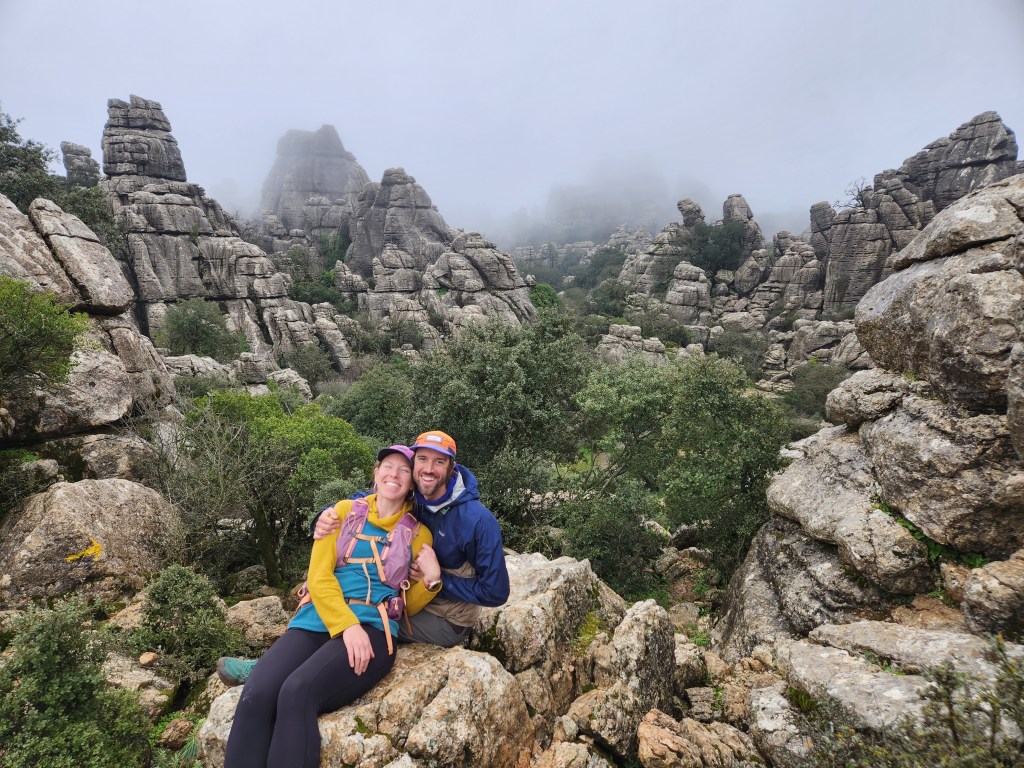
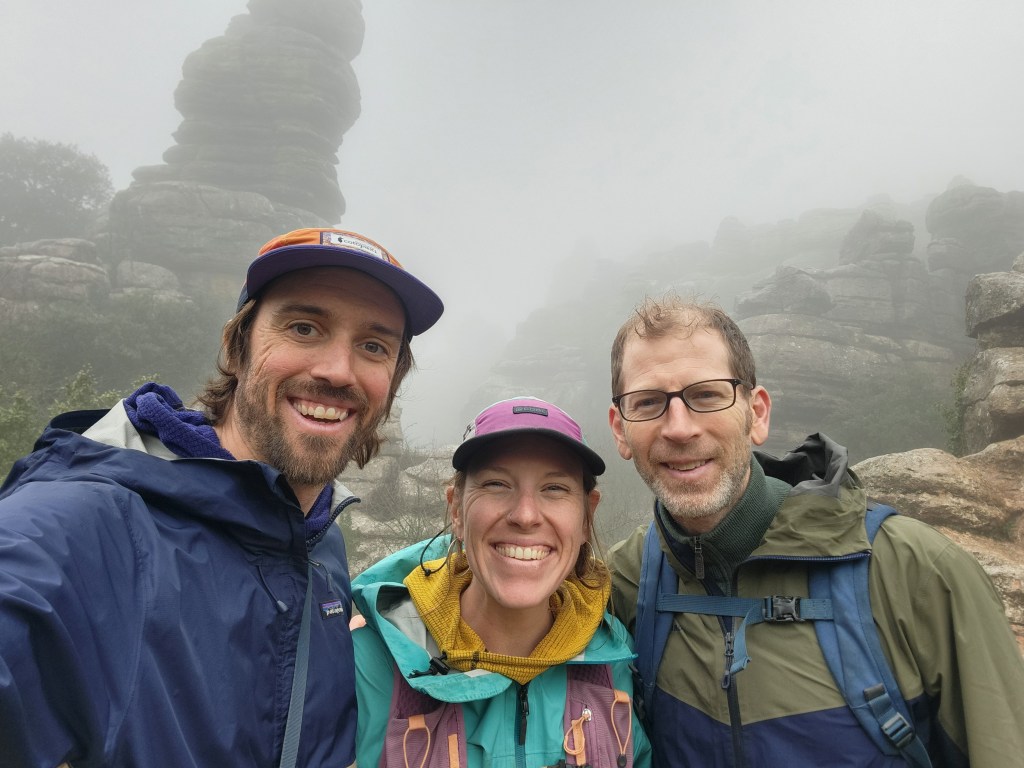
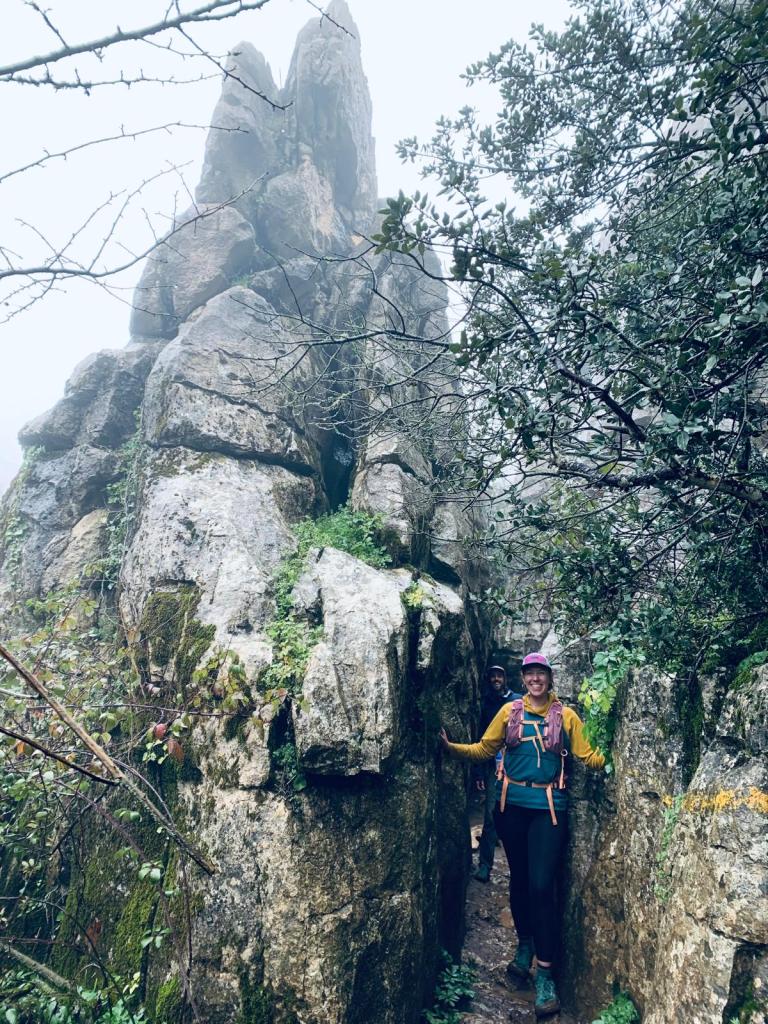
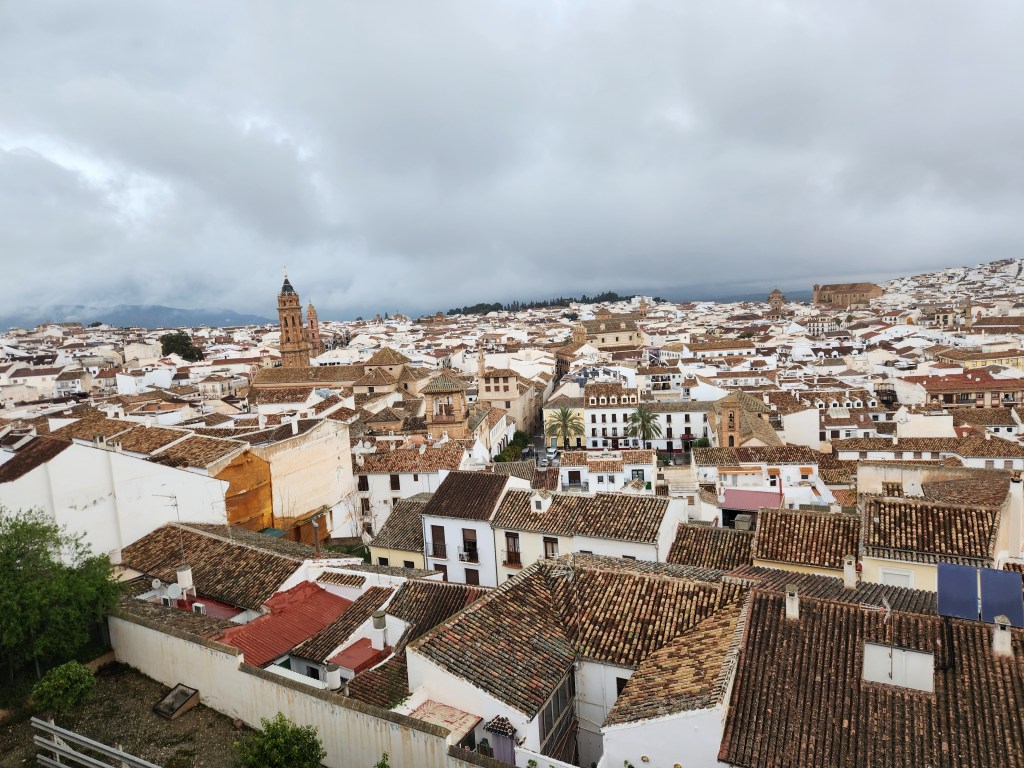
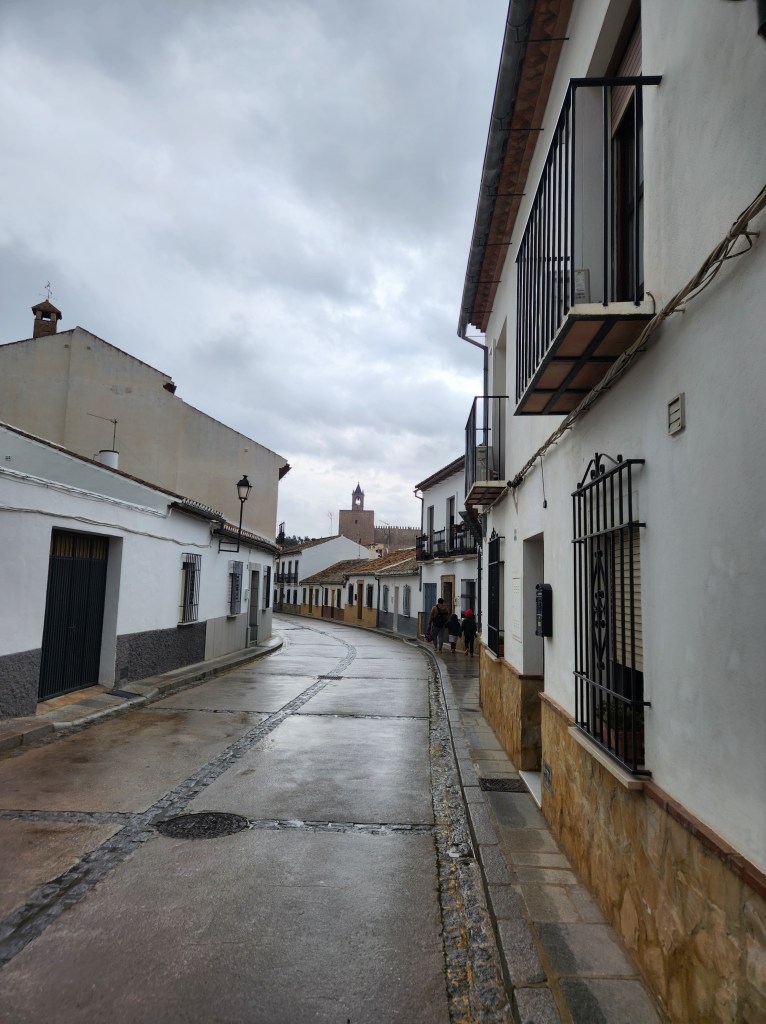
I wish we could have spent more time questing around El Torcal de Antequera, but given the conditions, I think we were all happy to get back to the car. We made the short drive over to the town of Antequera, where we really felt like we entered the “old world”. I loved the narrow stone streets lined with white washed homes, built wall to wall, and capped with terracotta barrel tile roofs. It was so cozy and charming. Despite the simple design and homogeneity of the buildings, I thought the look was elegant and tasteful.
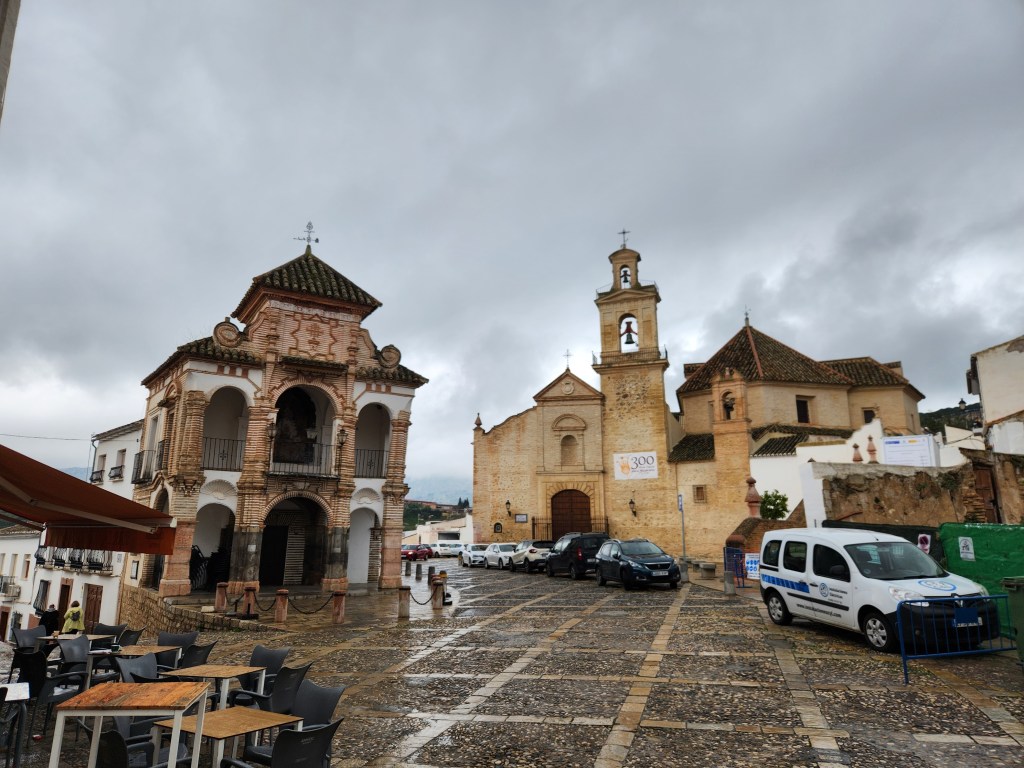
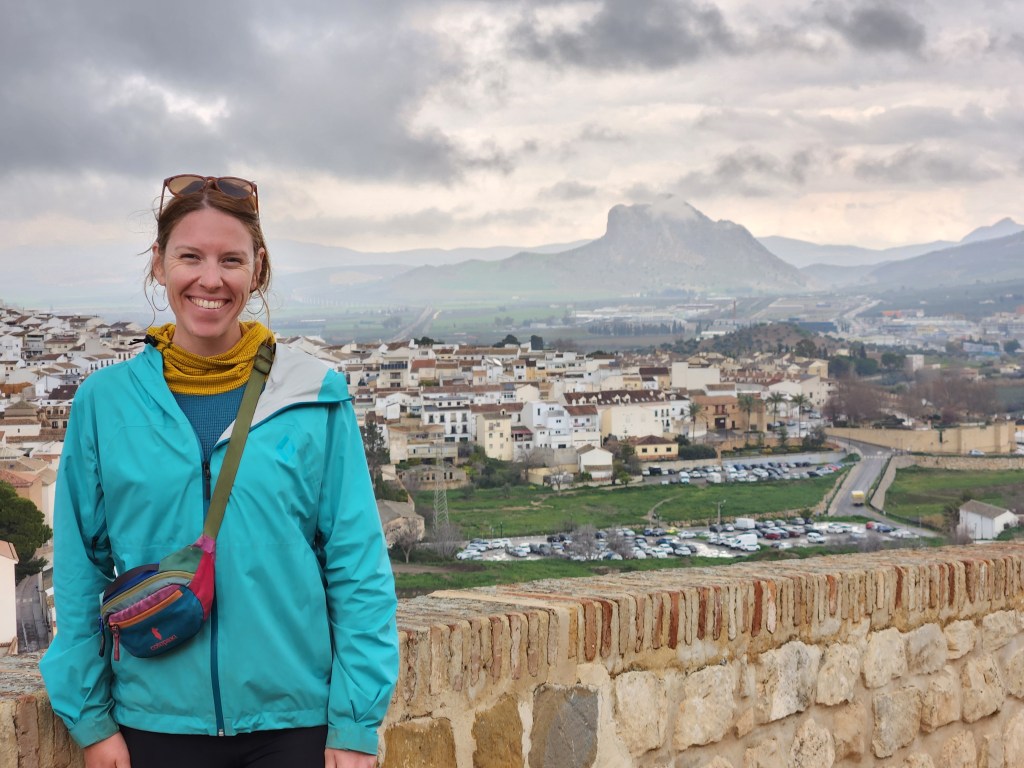
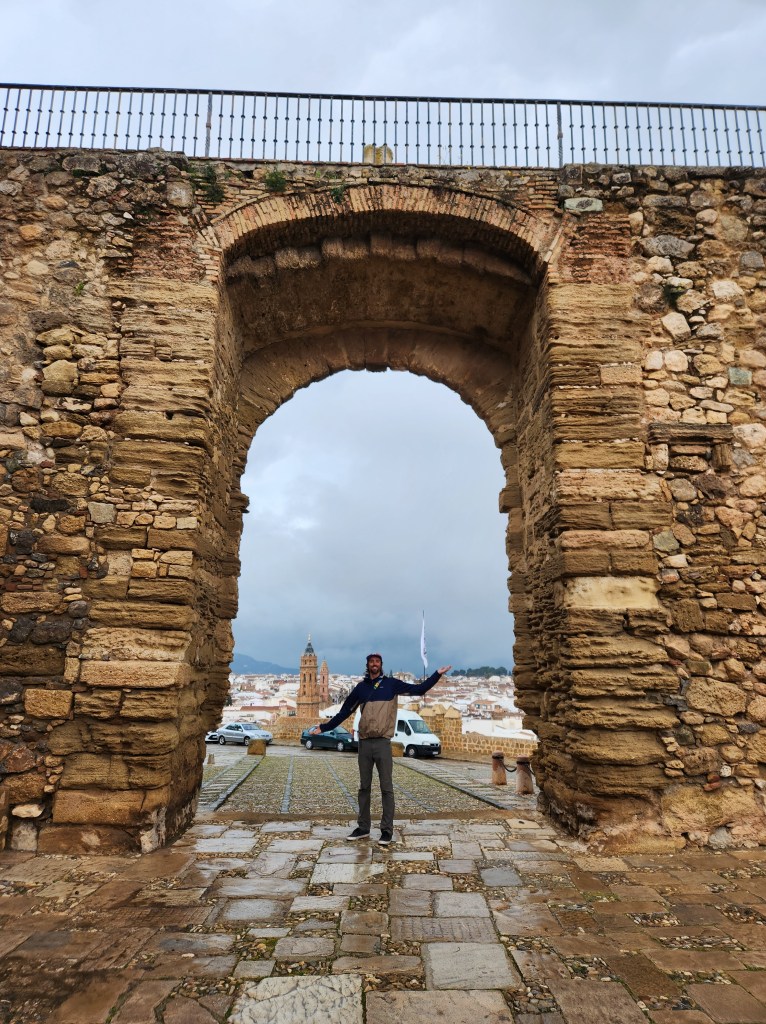
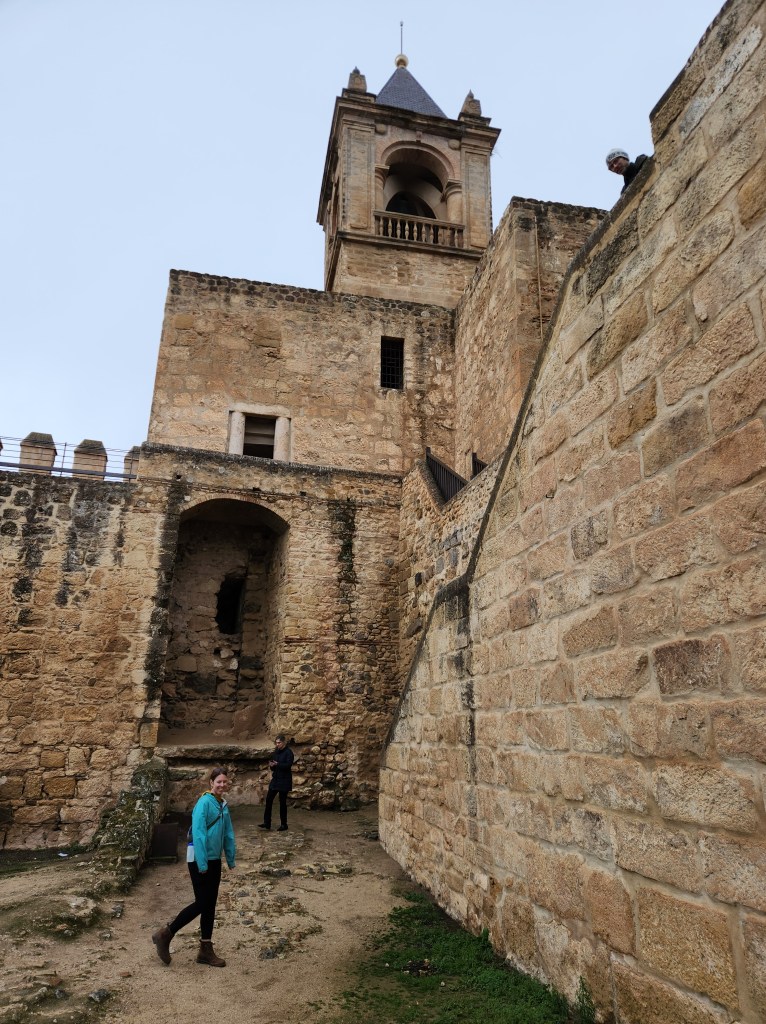
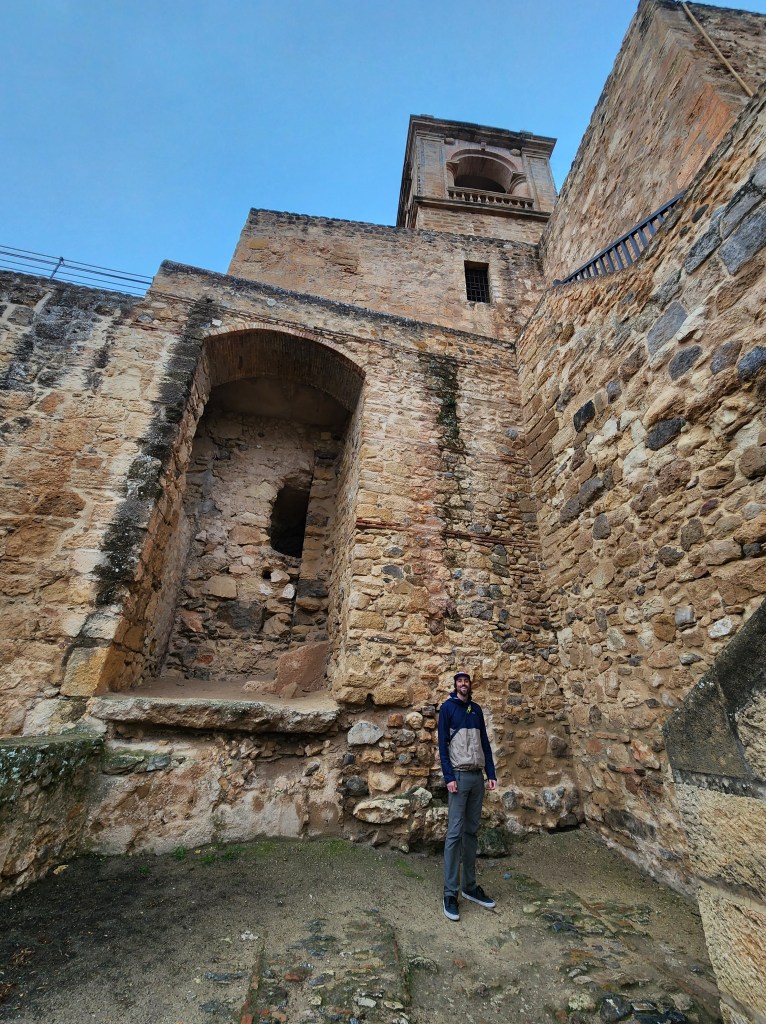
We walked a short way through town to check out another Moorish Alcazaba. You enter through a grand arch, about 20 feet tall, in the six foot thick outer wall. I thought I might bump into a medieval knight or cavalry as we stepped back in time.
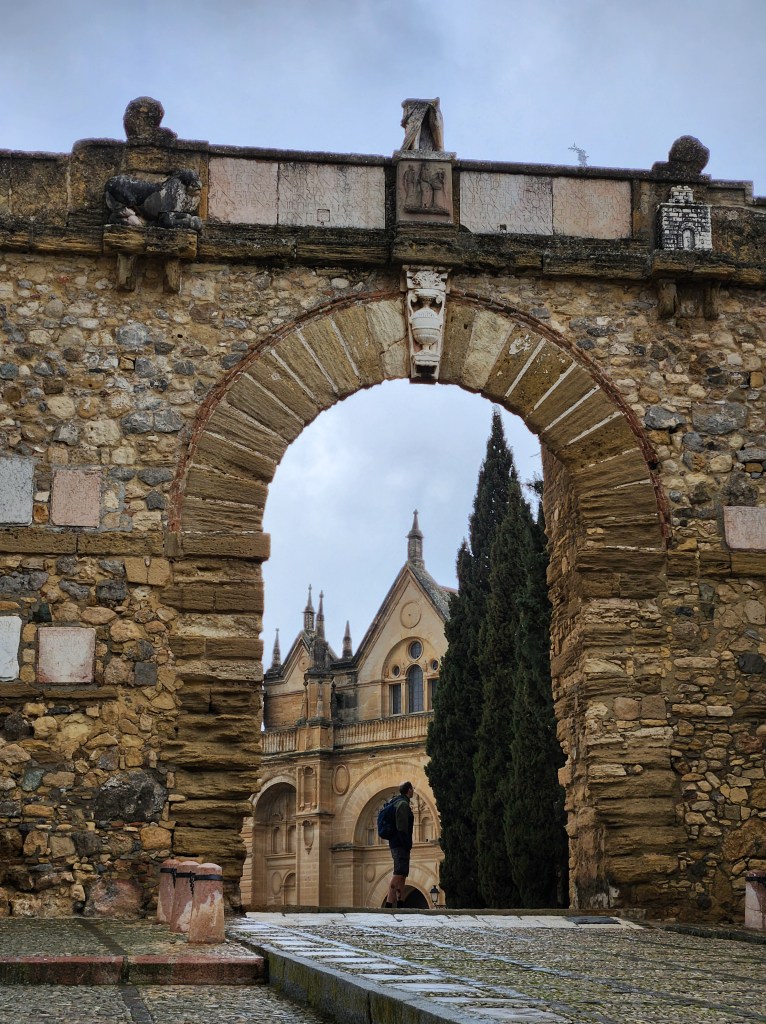
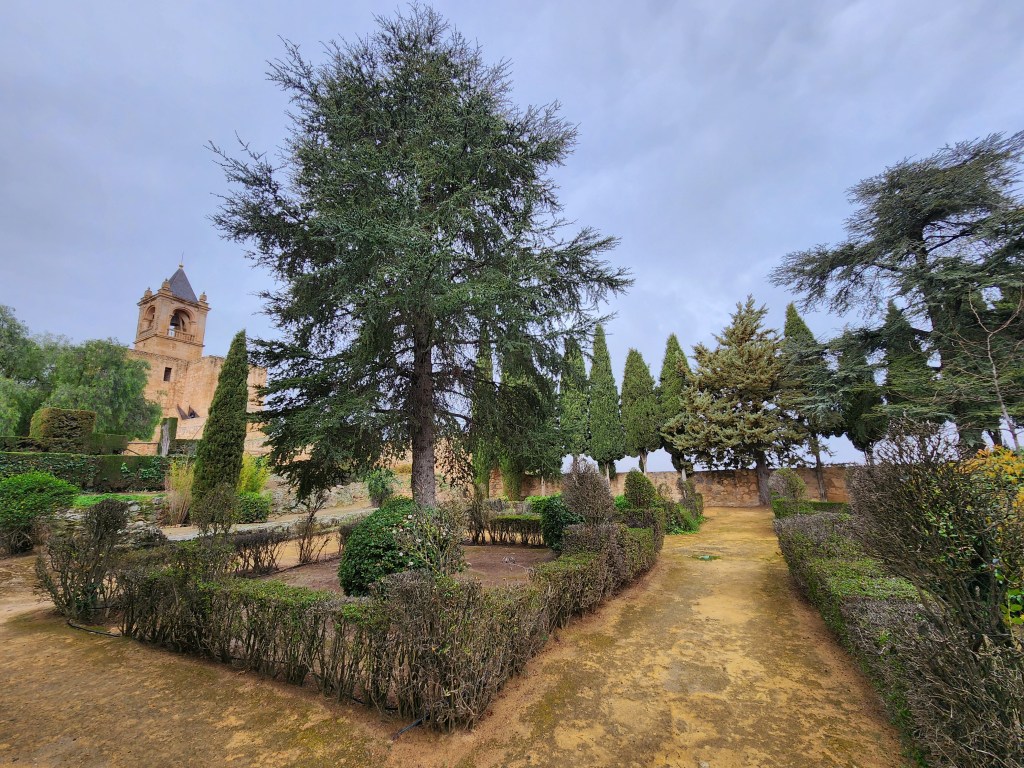
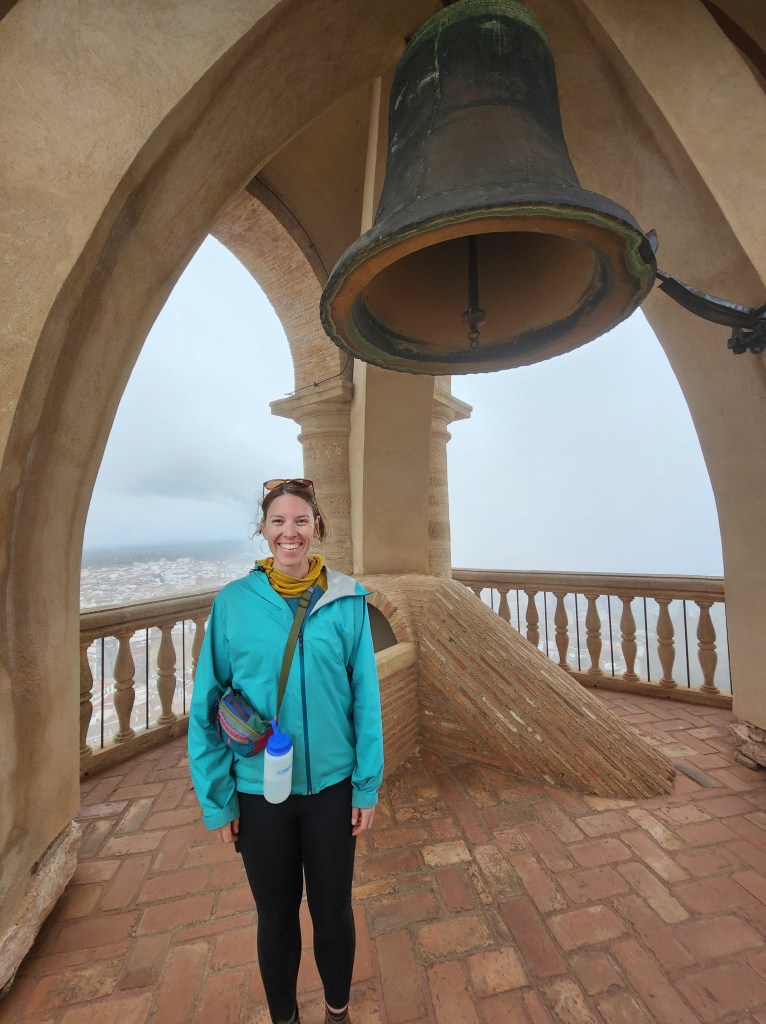
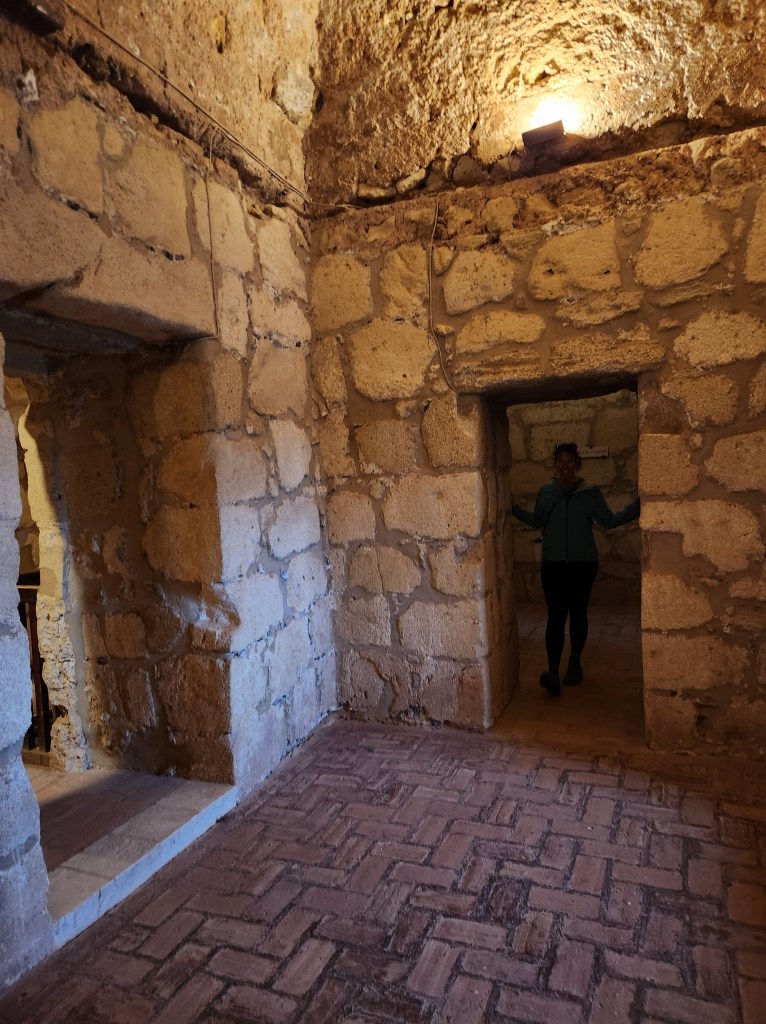
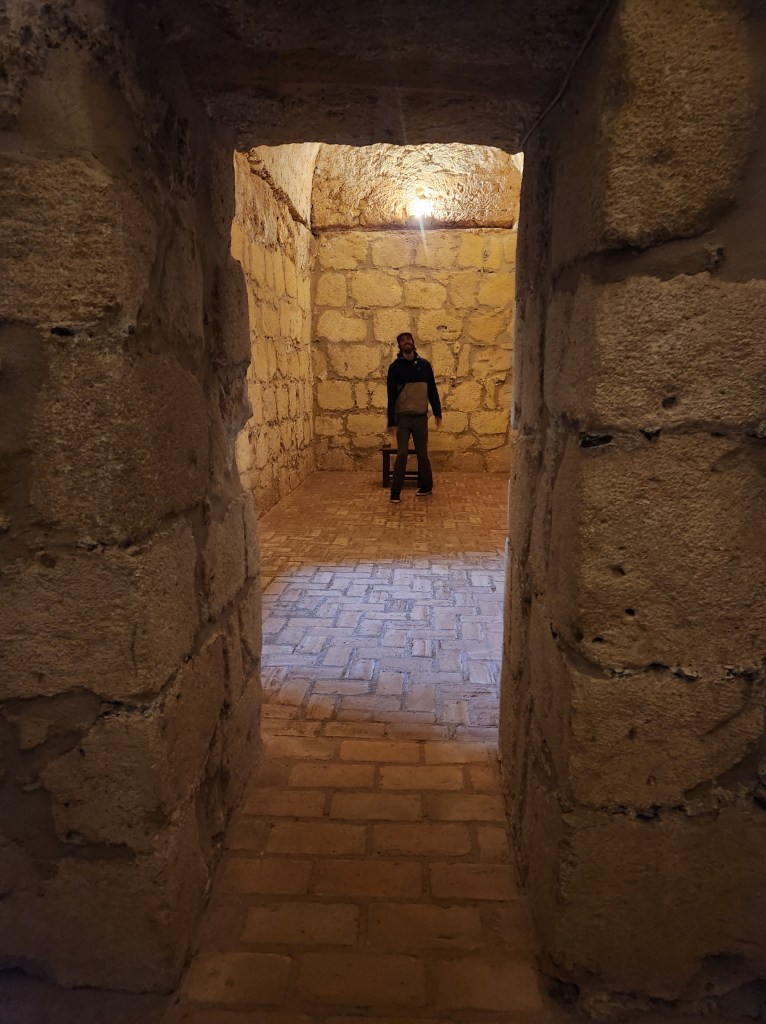
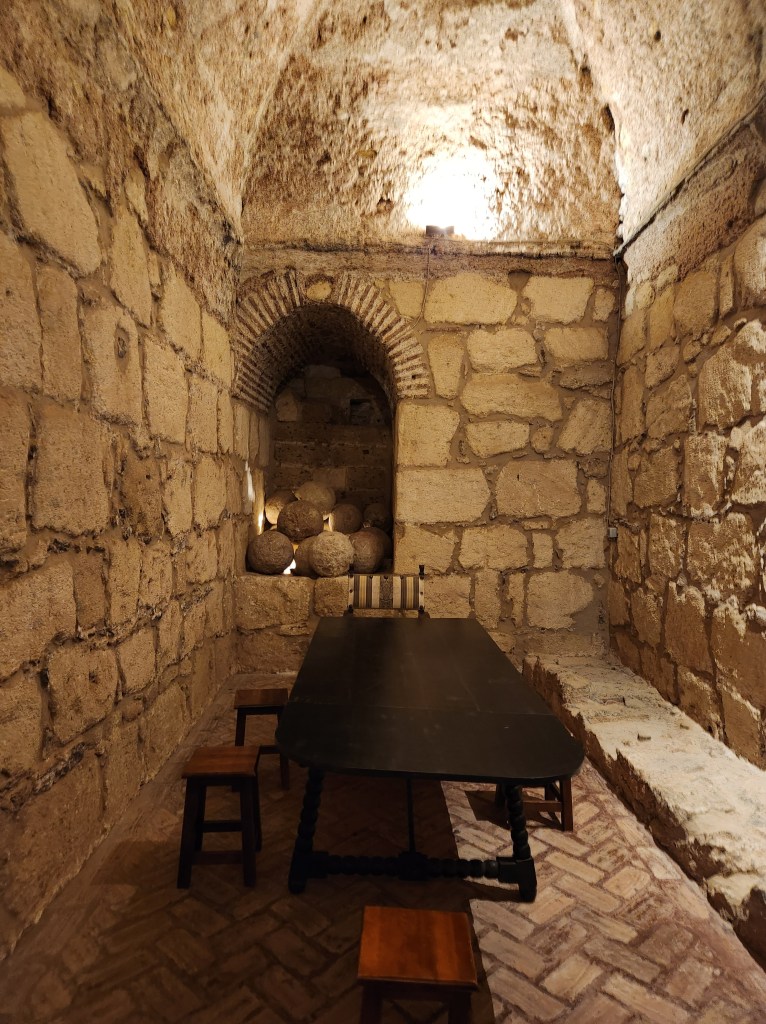
It looked like there had once been more structures, but the decaying walls were now more of an open plaza. This alcazaba was not as well preserved as the one in Málaga. The second tier was a large garden of cedar, cypress, and hedgerows, again blurring the line between abandonded fort and inhabited castle. The outer walls and towers were well preserved, which drew us into the dim narrow passageways. We took in the misty view from the bell tower, ducked through what felt like holding cells, and of course saw more Roman walls the Alcazaba was built upon. Every little nook filled me with awe.



We returned to Málaga for dinner and a show. Kristen and Jake recommended that we go to a Flamenco performance, so they got tickets for us and the whole family. Southern Spain is where was Flamenco was born, but its roots come from a mix of cultures, including India, Arabia, and North Africa, where the styles and traditions blended on the Iberian Peninsula. The lot of us squeezed into a corner booth in the little theater just before they dimmed the lights.
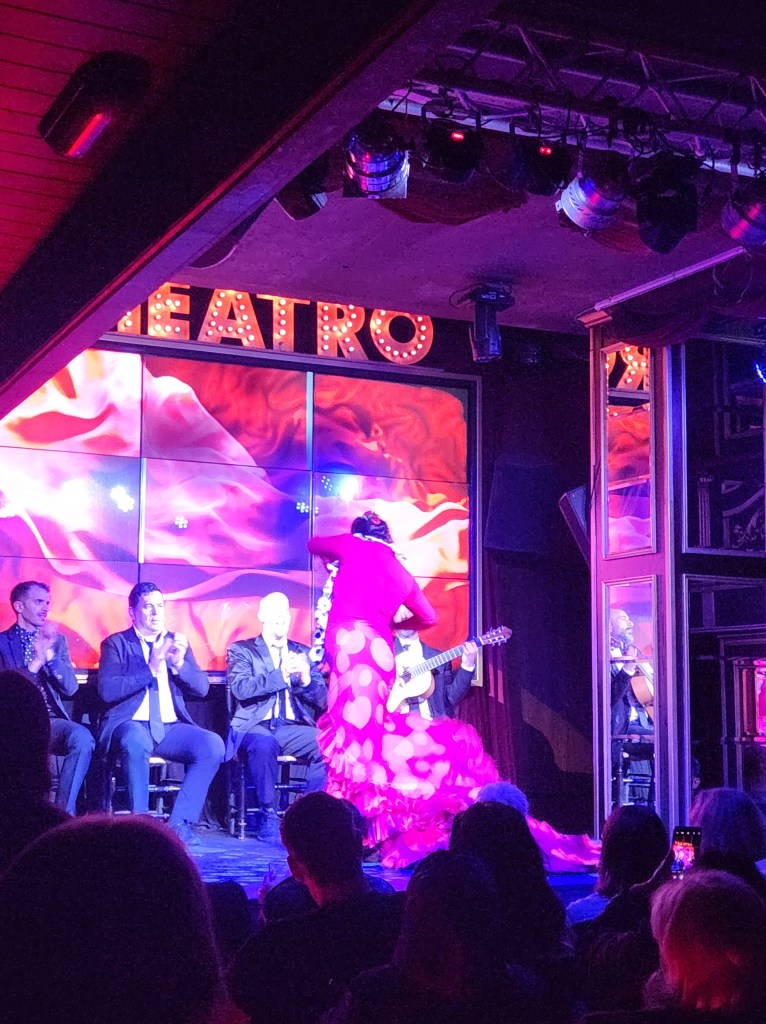
Castanets began clicking in the darkness. A woman wearing a long, flowing red dress slowly walked on stage as she rhythmically clacked away and danced. Flour men in suits joined her on stage one by one, the last wielding a guitar. It was quite the entrance! It’s safe to say that I was entranced. The stage presence of every performer was enthralling, and each got the spotlight for a portion of the show. One of the gentlemen did an incredible tap dance. The guitarist stole my heart with the precision and style of his flowing and moody solo. While Maggie and I typically like to escape to the woods, we were both happy to get such an awesome cultural experience!

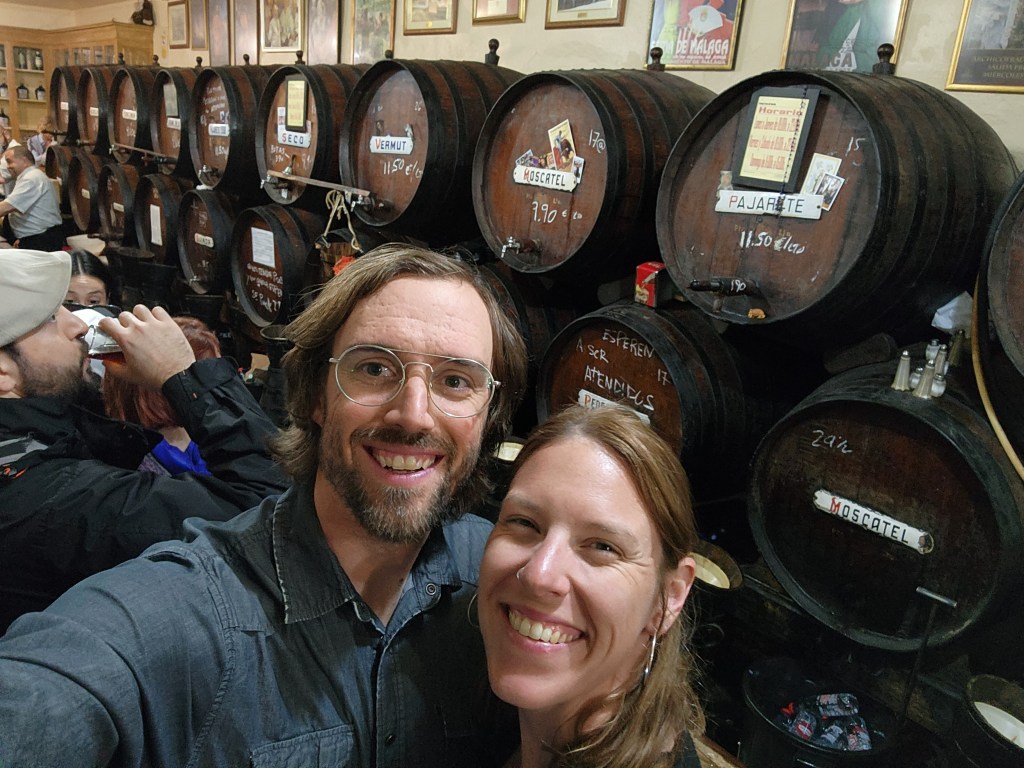
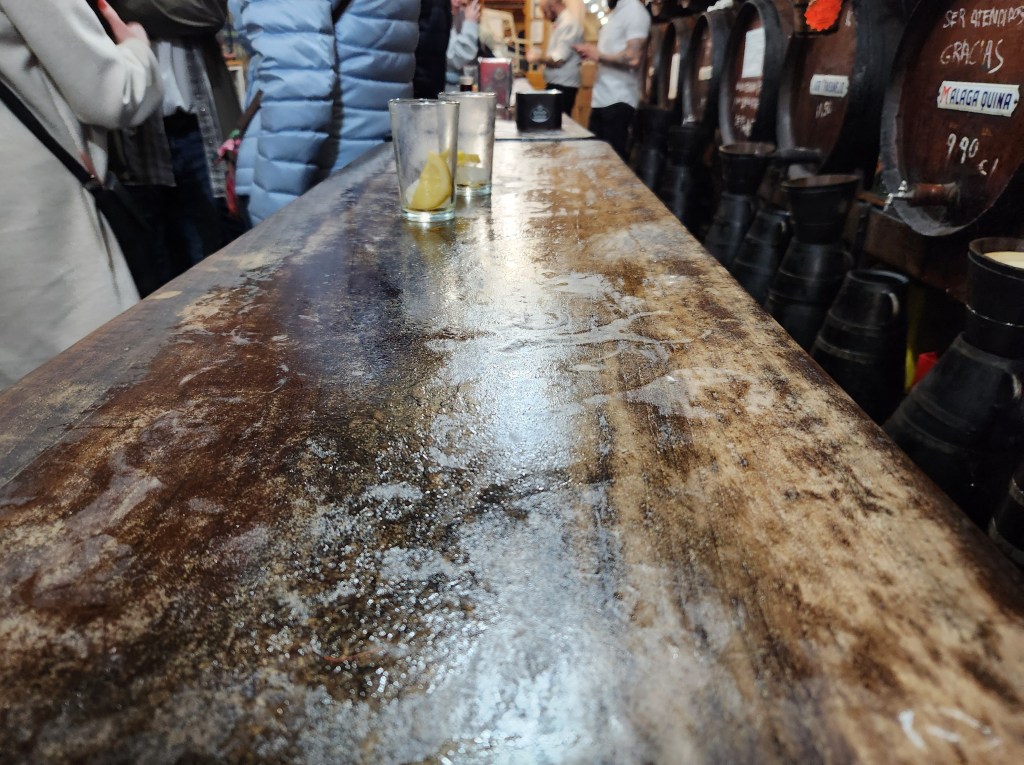
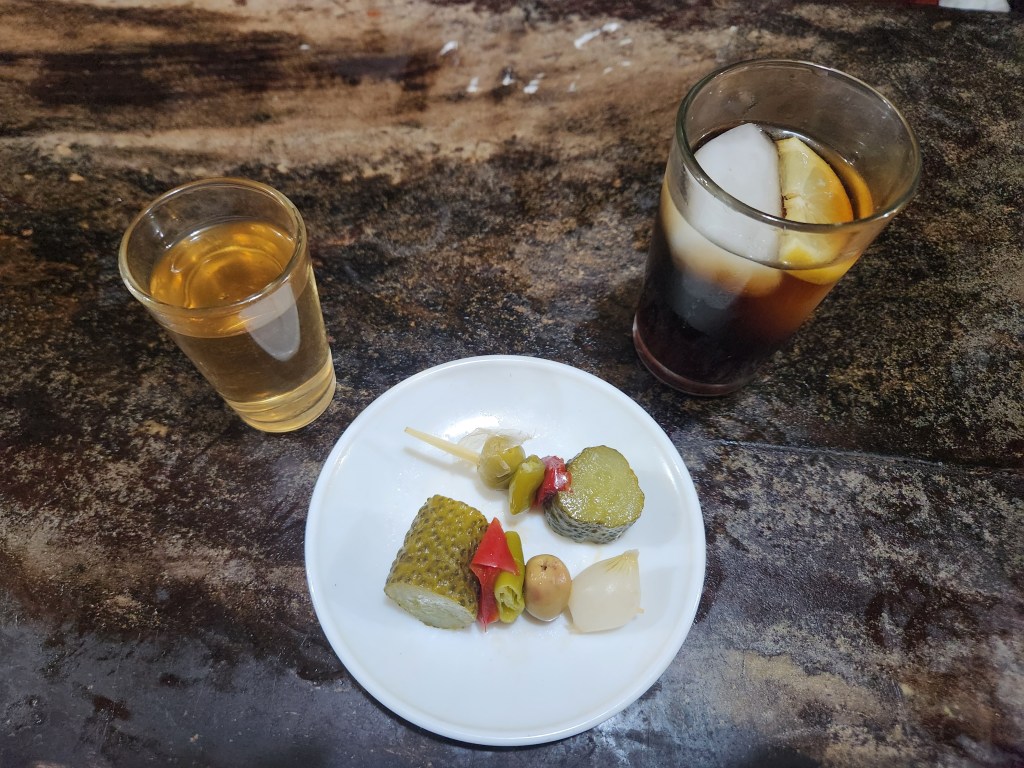
On the way back to the apartment, Kristen suggest we stop by this hip looking “brewery”. They took the kids home so Maggie and I could enjoy a little night life. The brewery turned out to only serve wine, and mostly exceptionally sweet dessert wines. There was no music or bar stools, only people chatting and standing next to the bar. The options were laid out in front of us is large oak barrels, but we had no idea what we were ordering. Our first pick was a cloying red. The bartender started our tab by scrawling some chalk on the sticky bar top. For the second order, I asked for something dry. The bartender looked at me funny and shook his head, “no…” Where were we?? Maggie and I could only handle a few glasses of these rich, mouth puckering wines, but we loved this place for the unwavering simplicity.
4 March 2025
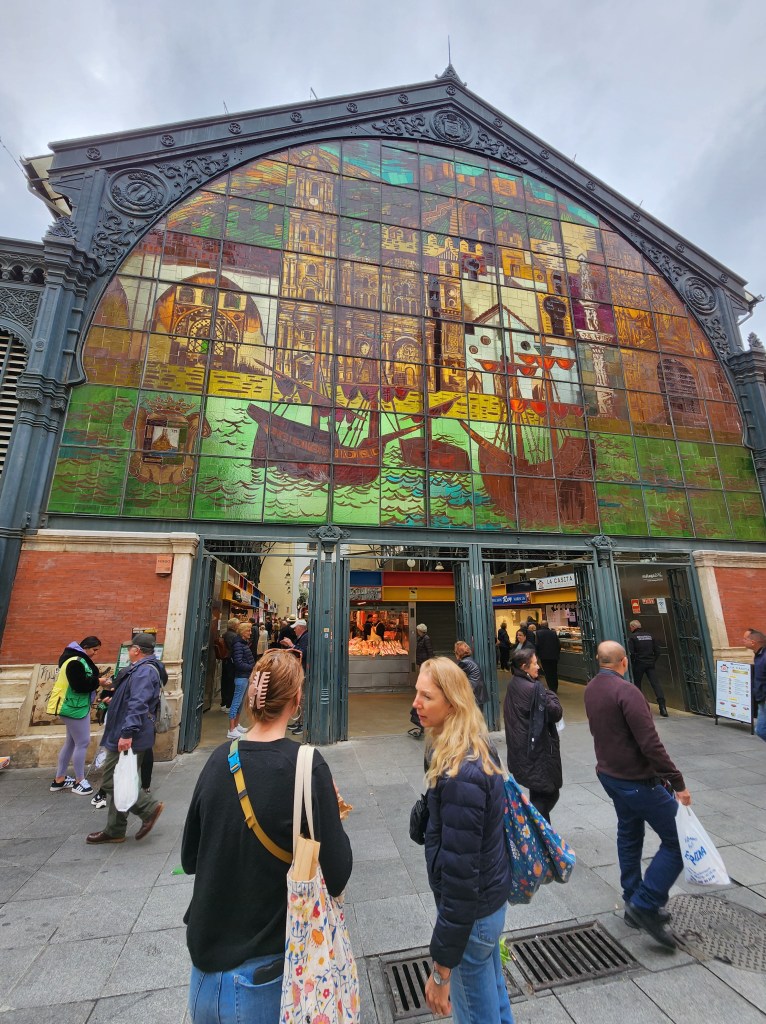
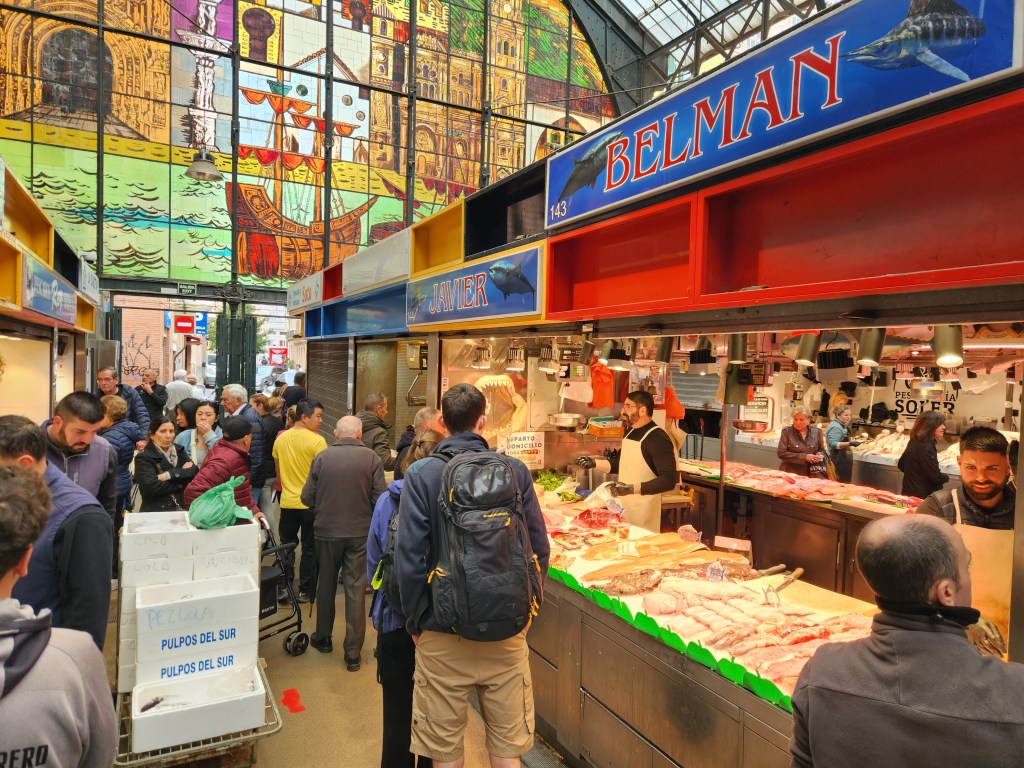
Maggie and I spent the day milling around Málaga with Kristen. When it comes to food, Kristen does not leave anything to chance. Since we had arrived, Kristen and Jake had been raving about how easy it is to get fresh, high quality groceries in Spain. This was made possible by the markets. For my American readers, try for a moment to forget everything you know about the “super market”. We rode bikes to the centro district to stop in the Mercado Central. Rather than a large neon sign with the name of super market, the facade was a sweeping scene in stained glass.
We walked though the open doors to aisles of booths, each one staffed by a few people, usually the owner. The booths all had a specialty- meat, produce, seafood, etc. Instead of selling some mass produced crap, I got the sense that the booth workers were associated with specific growers, ranchers, and fisherman. These people were professionals, experts in what they sold, and they took pride in their products. This was so refreshing compared to the faceless factory food system we have in the U.S.
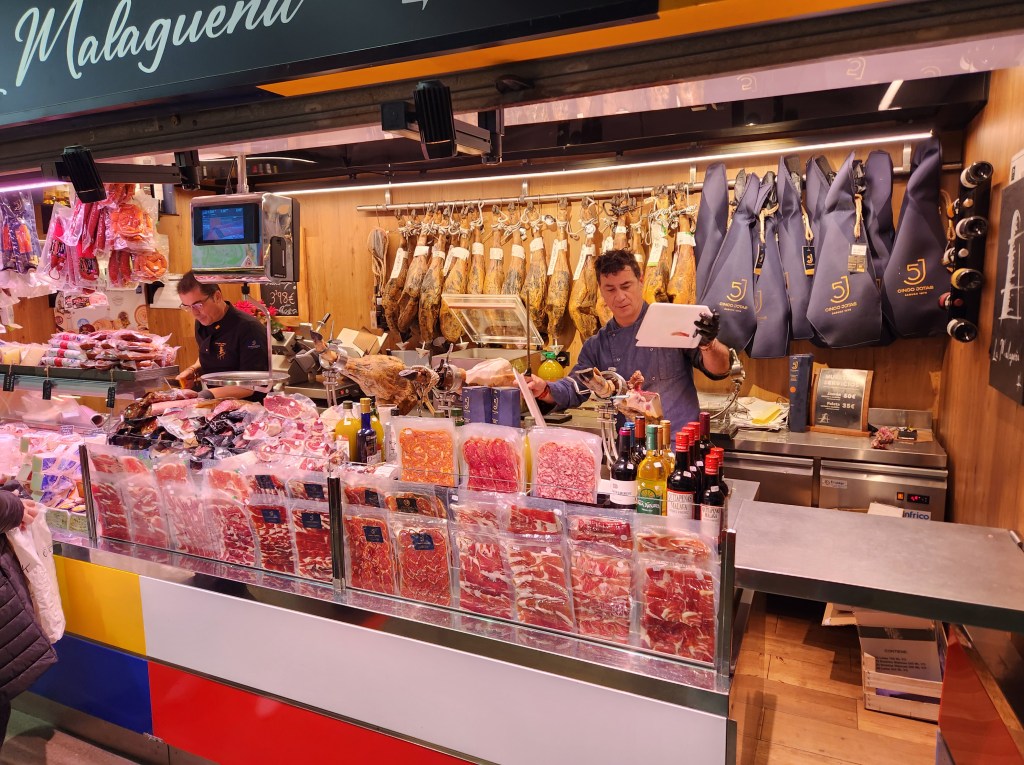
Walking around the city, we had seen several shops selling Iberian ham. Here at the market we got to see it up close and personal. There are tight rules around producing Iberian ham. It carries a dominion of origin, much like how tequila can only be made from blue agave in southern Mexico. Iberian black pigs are raised and finished by feeding on chestnuts and acorns, making the meat fatty and marbled. The hams are salted and hung to cure for at least a year, sometimes up to four years. At the market, the ham is placed on a stainless steel stand and secured by several screws. Thin slices are delicately removed one at a time. You can buy sealed packages, or fresh cut servings, typically only 25-50 grams (1-2 ounces) for $10-20. A whole ham costs upwards of $500-1,000! Kristen got 25g to treat Jake and the kids.
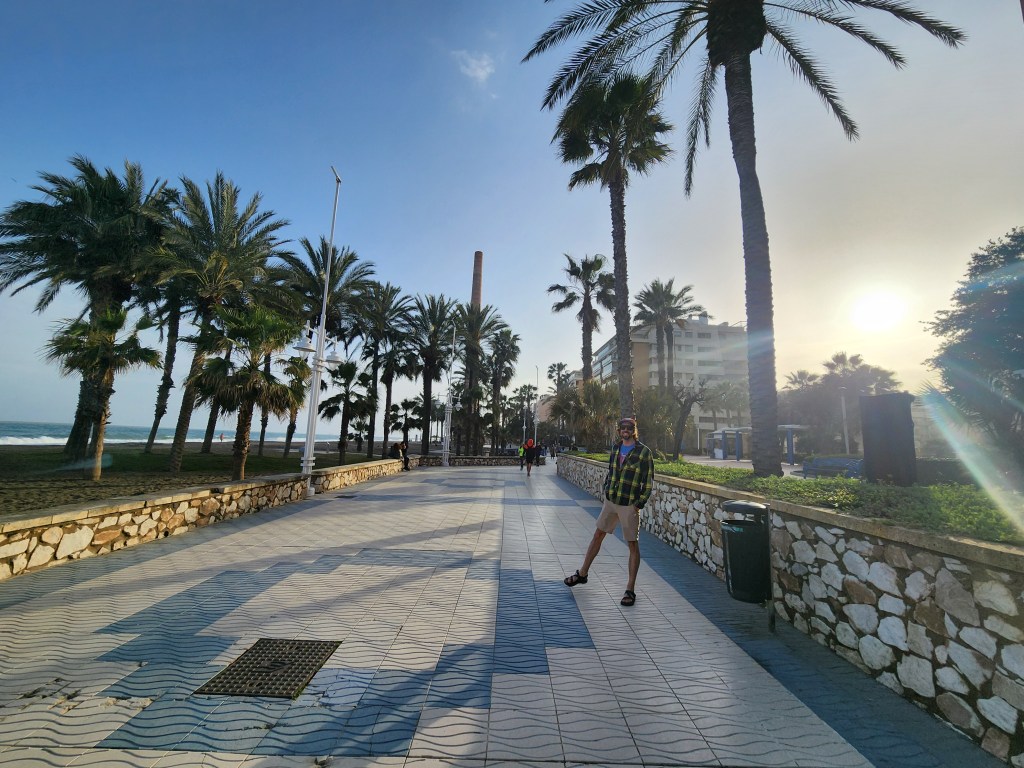
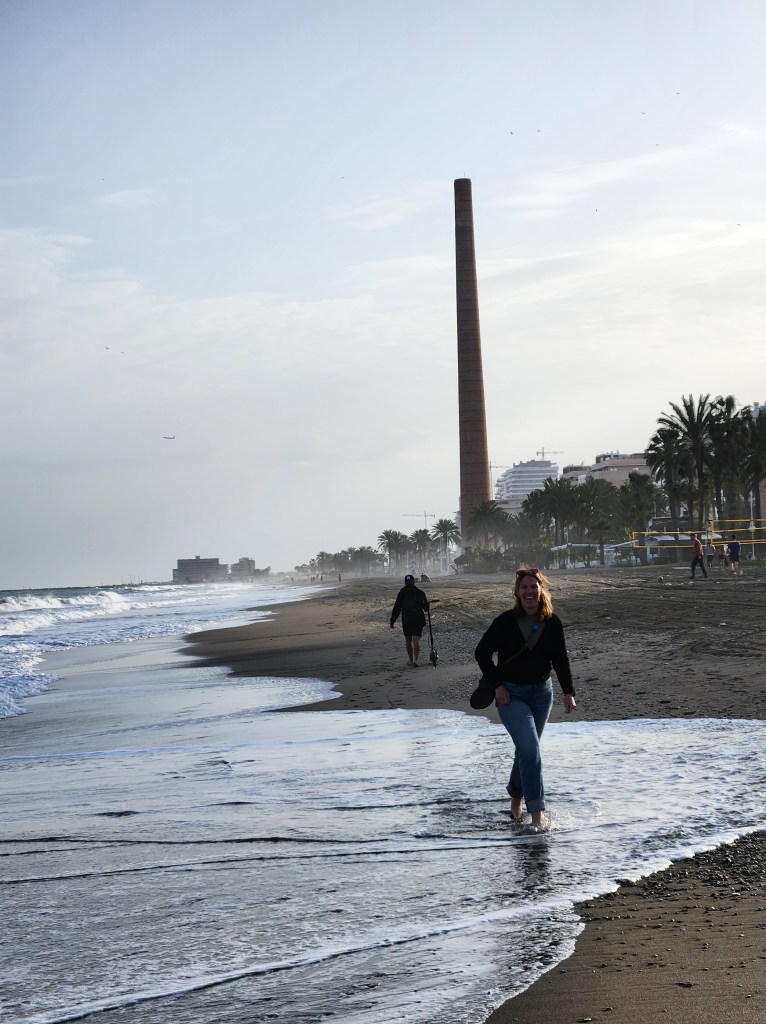
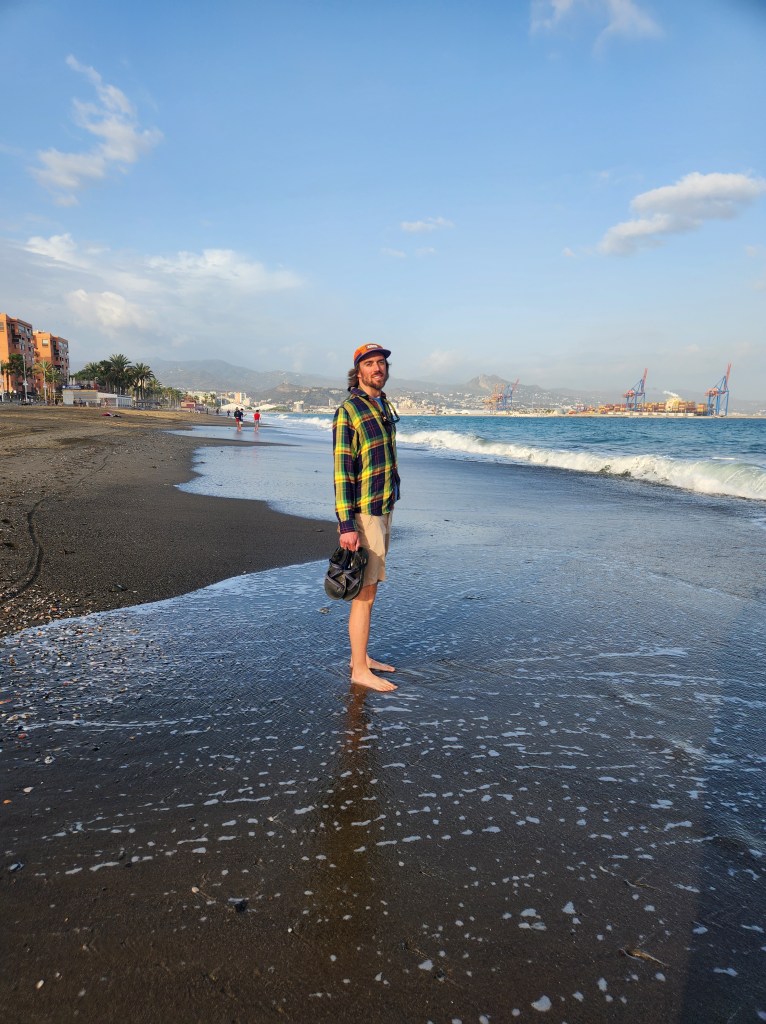
Maggie and I each went for a run on the beach bike path to stretch our legs, and later went for a walk on the beach. We decided to rent a car so we could venture out on our last day and have easy transportation to the airport the following day.
5 March 2025
We were quite lucky to have such awesome hosts and tour guides. Kristen and Jake gave another great recommendation, visiting Cueva de Nerja (Nerja Cavern). Maggie and I drove to Nerja in the morning. The rain was back, drizzling for the drive, then down pouring while we waited to enter the cave. At least we were going underground for a while to get out of the rain.
The cave was found in 1959, but with more exploration, people would come to find they weren’t the first ones to enter the cave. Pictographs, charcoal piles, and even human remains have been found in the cave. Consistent human presence has been dated to 25,000 years ago! The archeological sites are off limits to visitors, but we were in awe thinking about people roaming this cave during the last ice age.
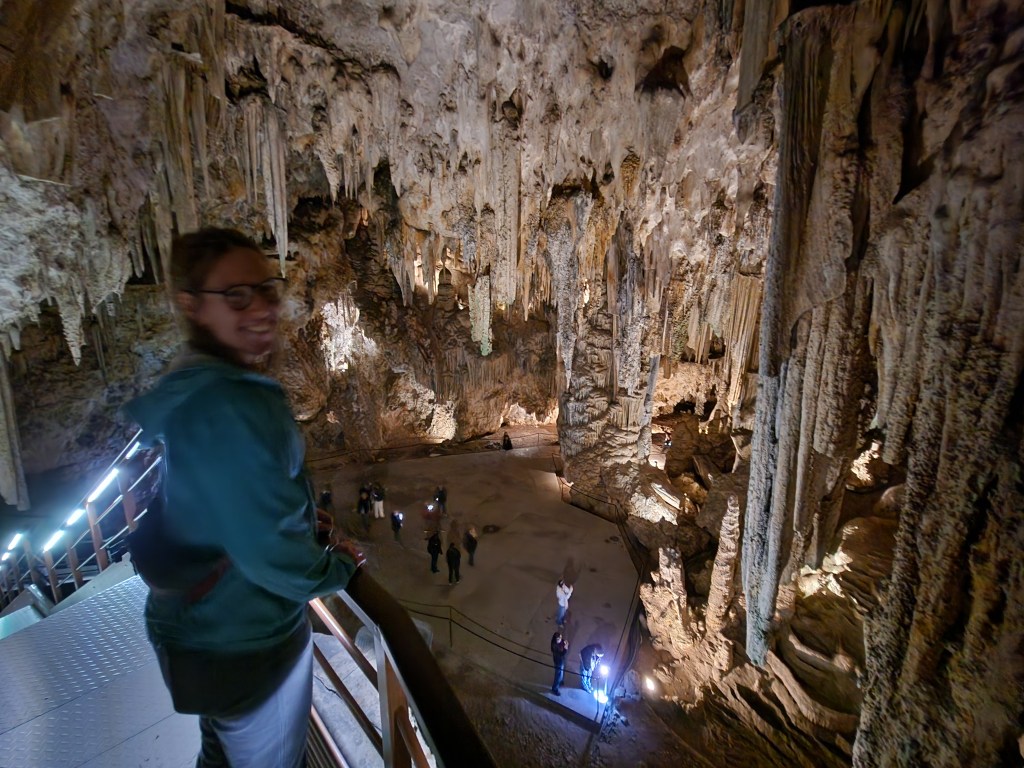
It was a self guided tour on the path built through the cave. There were a lot of people, but everyone was quiet and respectful. The first stair case dropped into a large room with typical cave scenery. Stalactites lined every inch of the walls and ceiling. There were some impressive stalagmites and columns too, but this was just the preview.
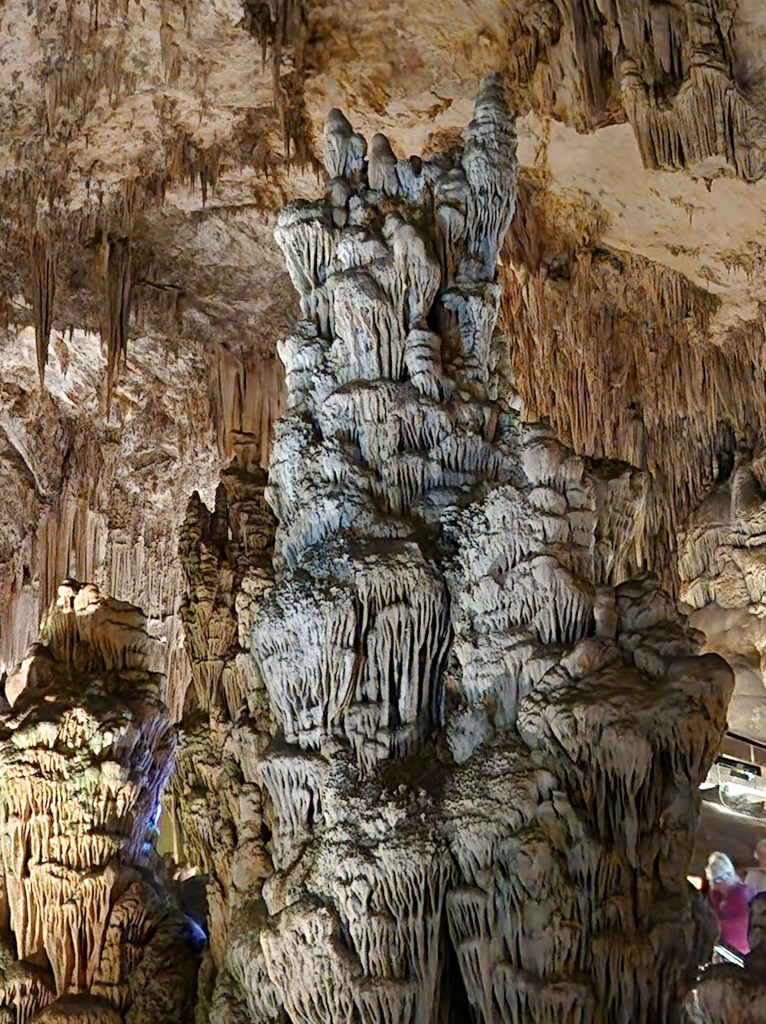
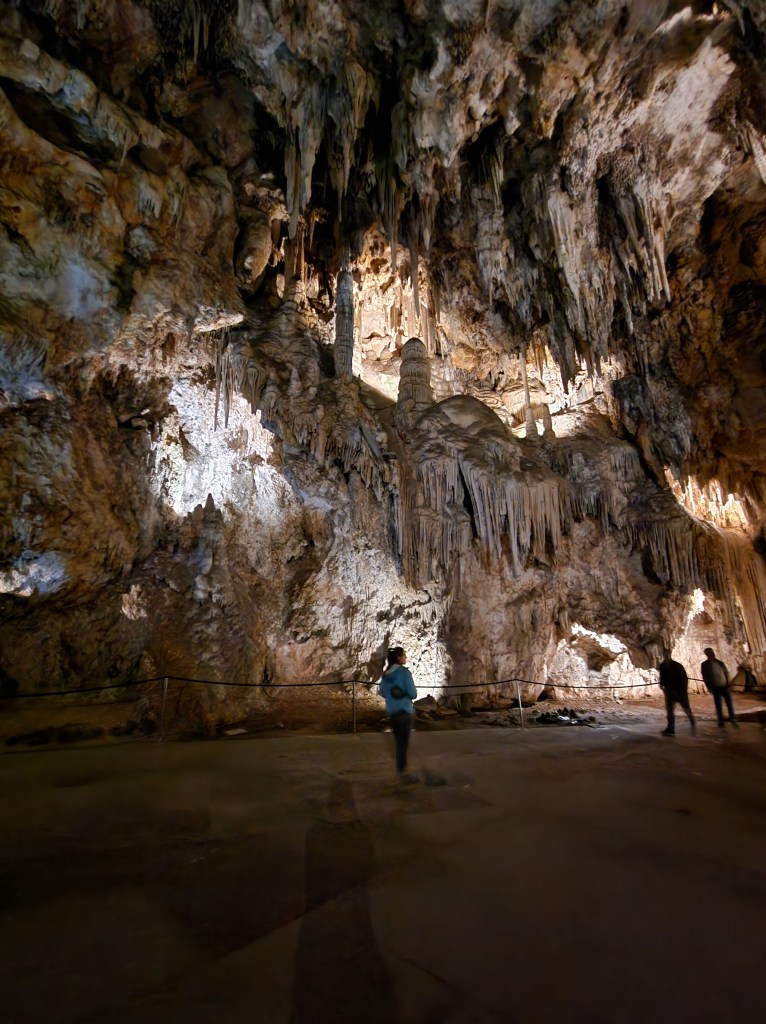
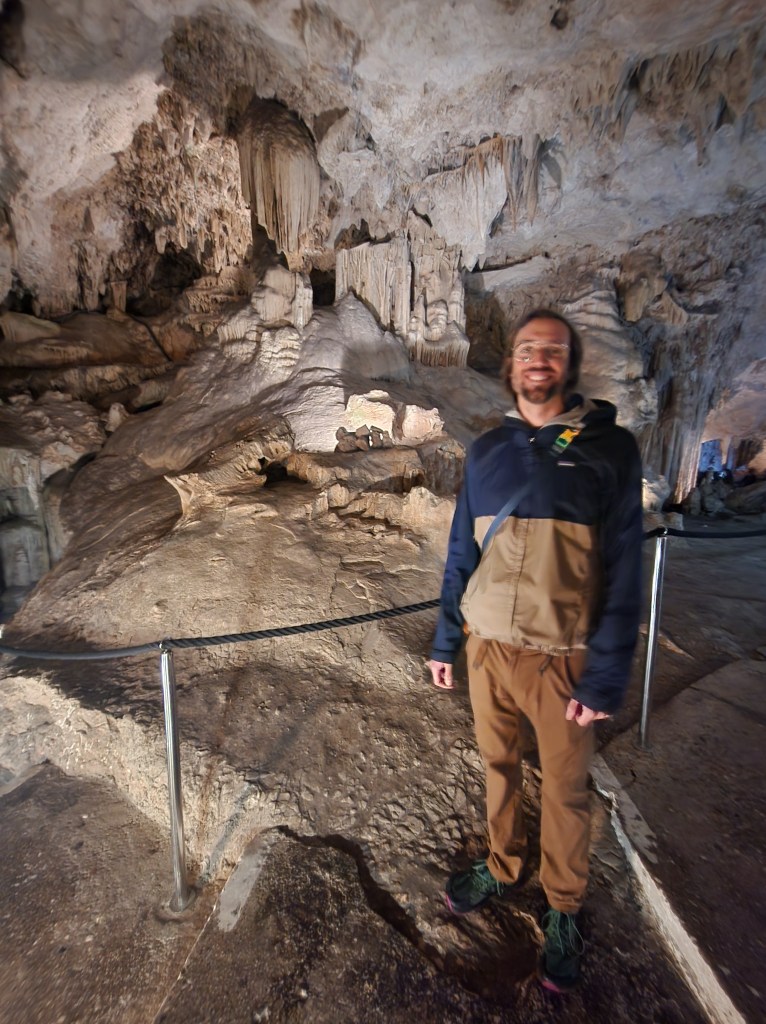
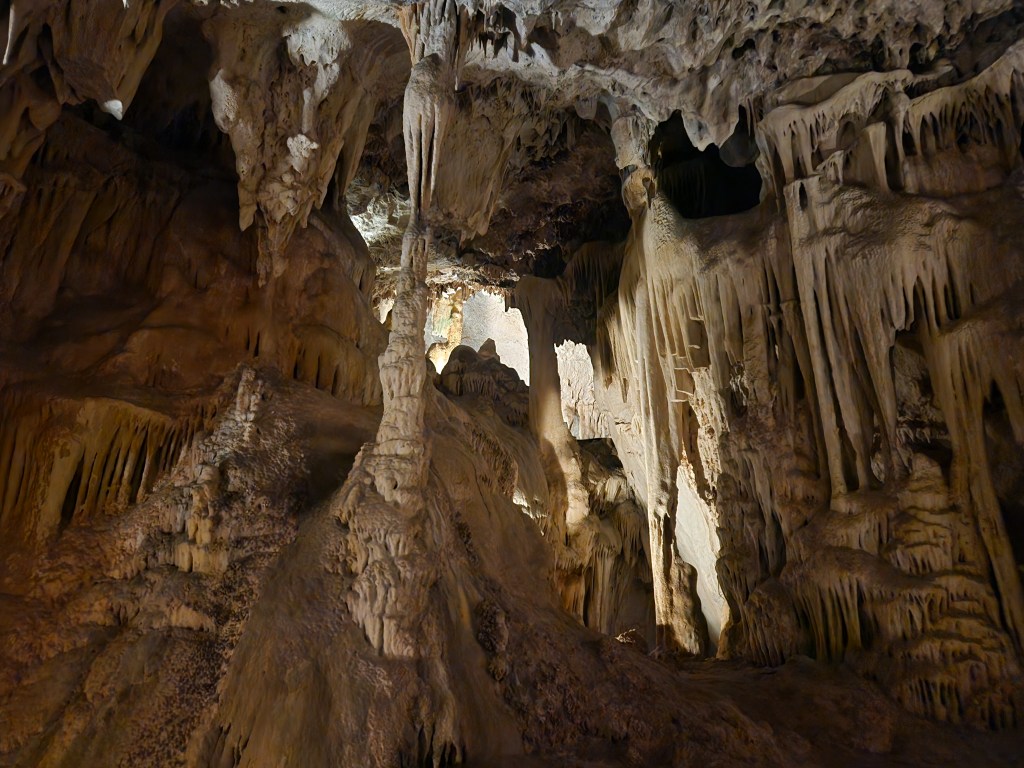
The path curved around to a larger room, where an absolutely massive column stood in the center, perhaps 50 feet across and 100 feet tall. I’ve done some cave tours in my day and I’ve never seen anything like this column. Usually cave formations are straight up and down, water following gravity and moving minerals around. In the big room there were some toppled stalagmites and formations sitting at rakish angles. Turns out an earthquake hit the region about 800,000 years ago. I can’t think of a scarier place to be during an earthquake!
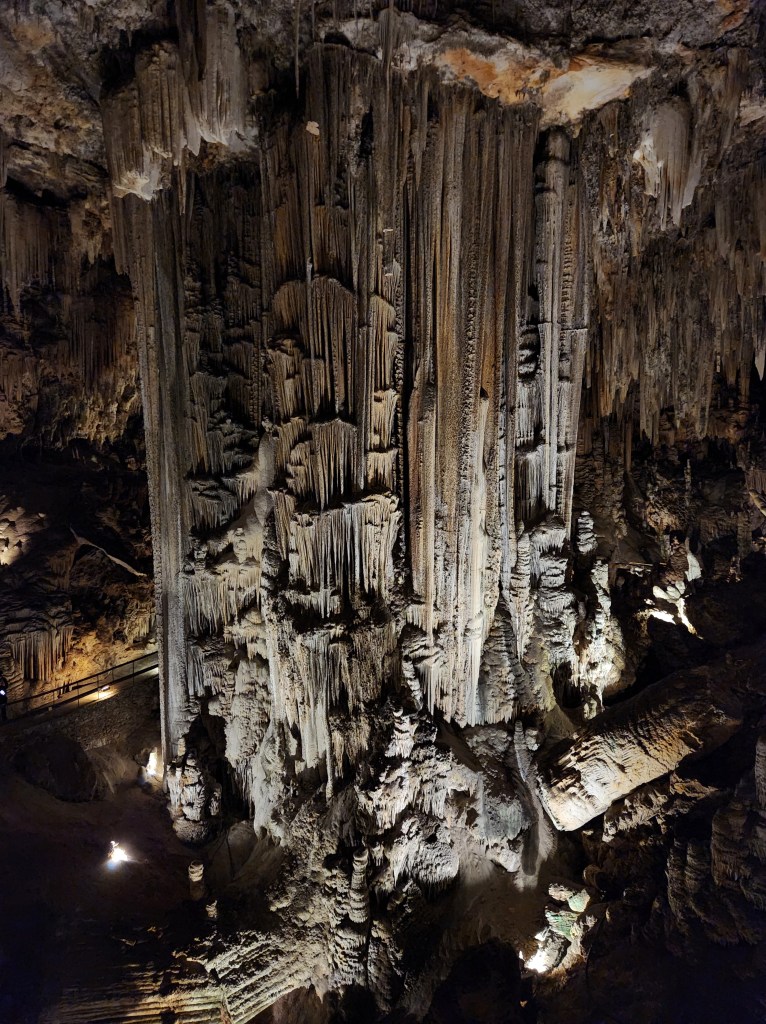
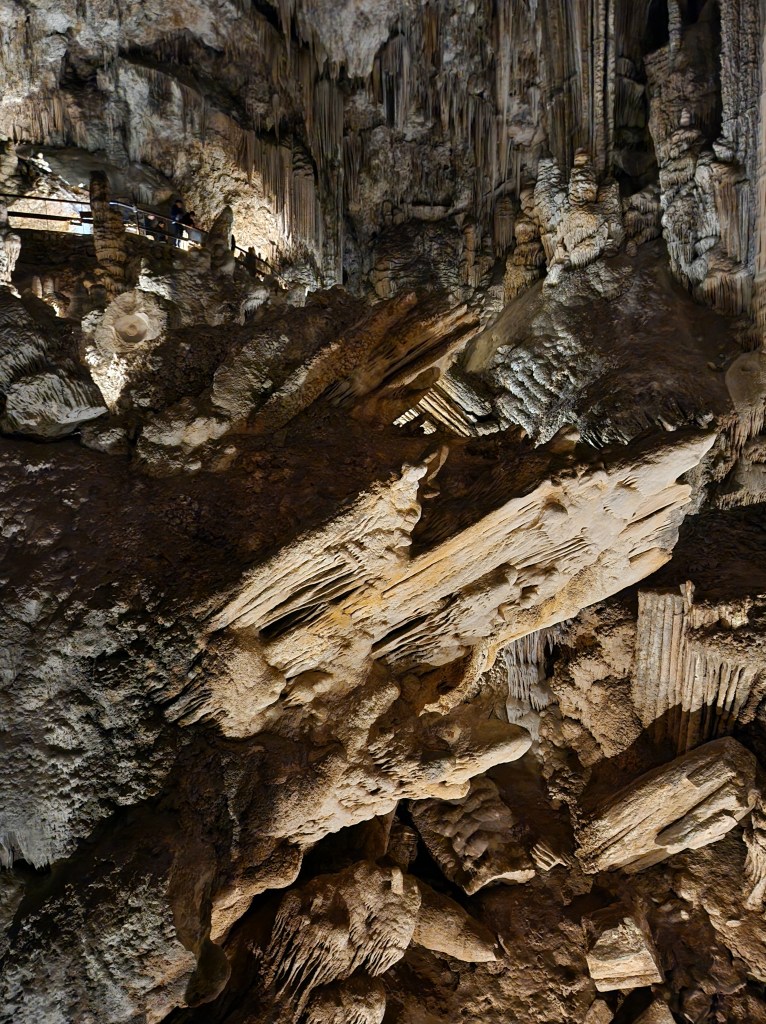
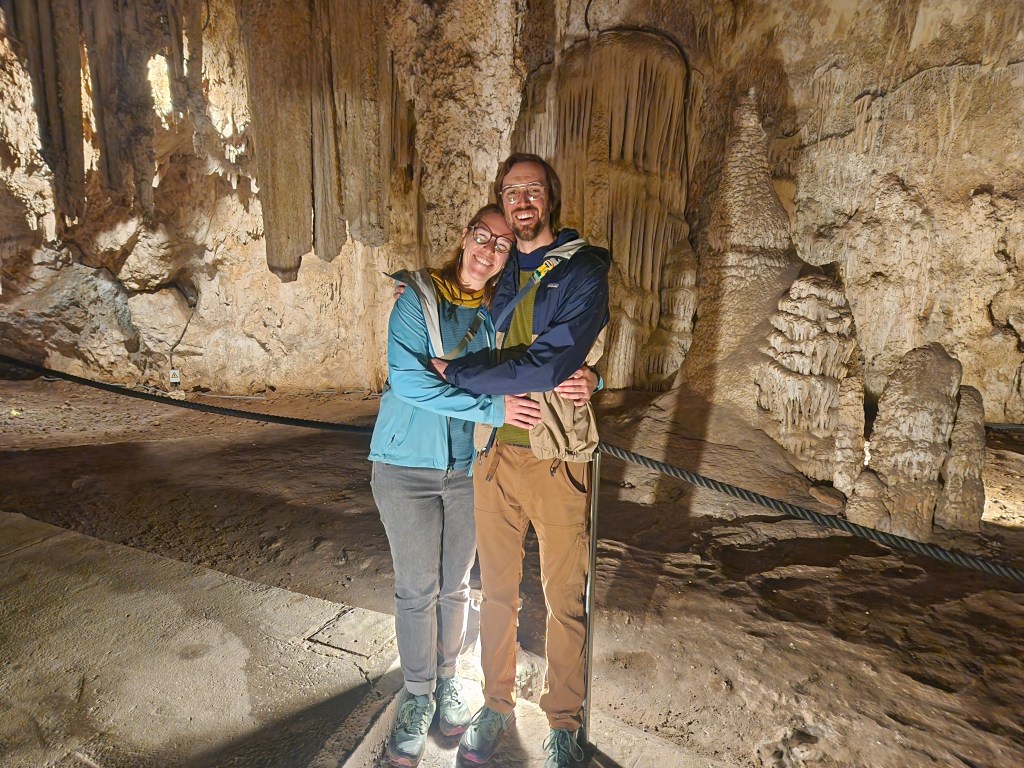
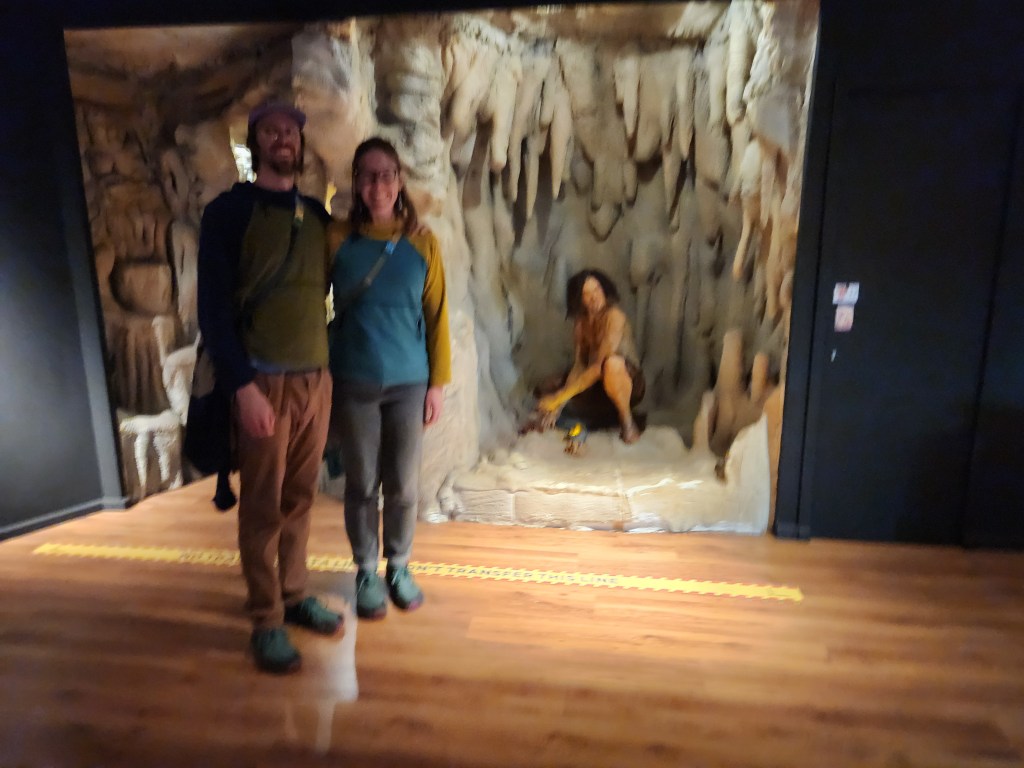
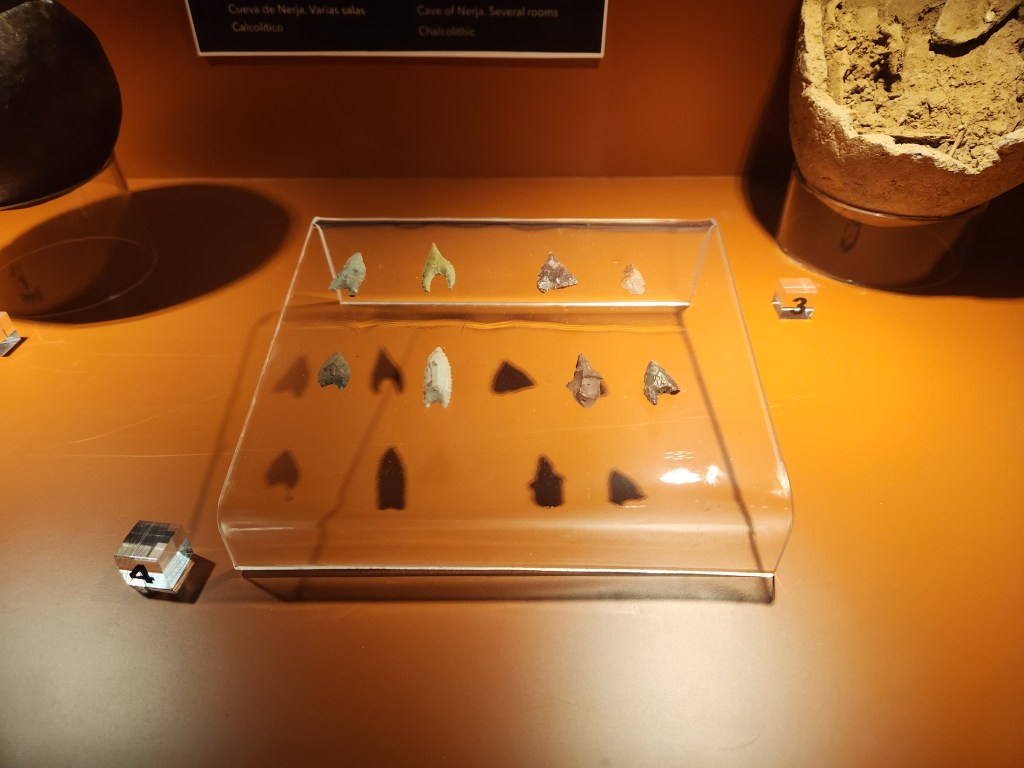
We took our time taking in the sights. Even so, the cave tour wasn’t that long. Our ticket also got us access to the museum in town. A lot of the exhibits focused on more recent history of southern Spain, but we were most interested in the archeology section. Maggie and I made sure to pose with the caveman display. A selection of arrowheads, tools, and even skeletal remains recovered from the cave were on display. I don’t think I’ve ever seen a real human skeleton before. It was a little surprising to say the least.
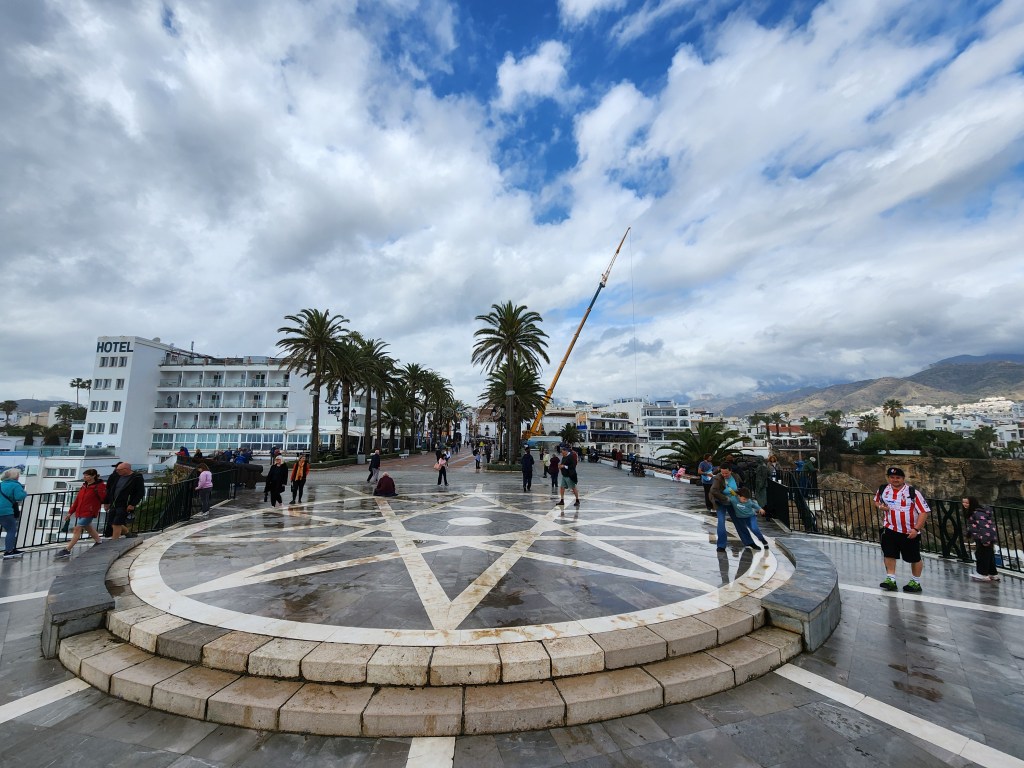
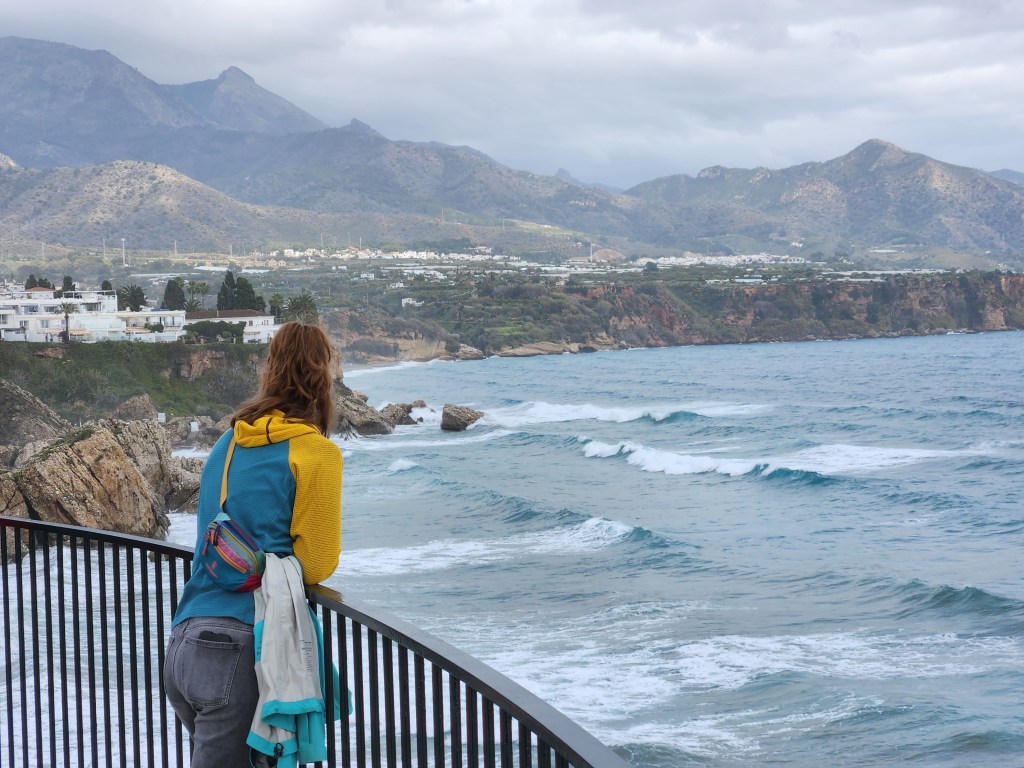
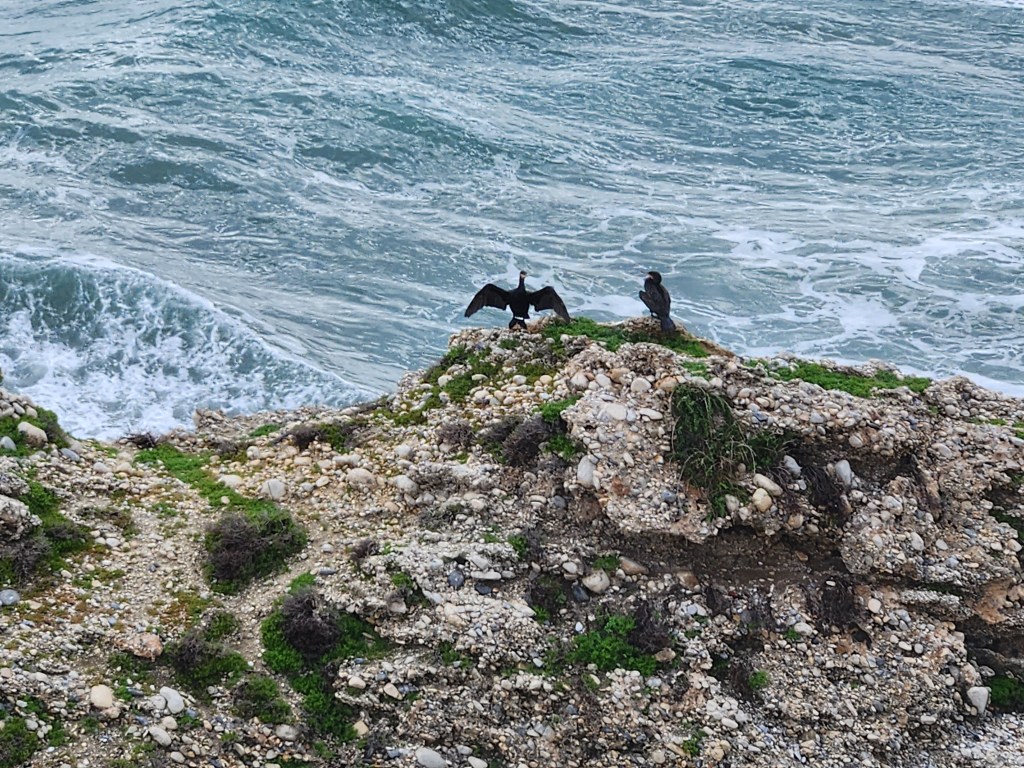
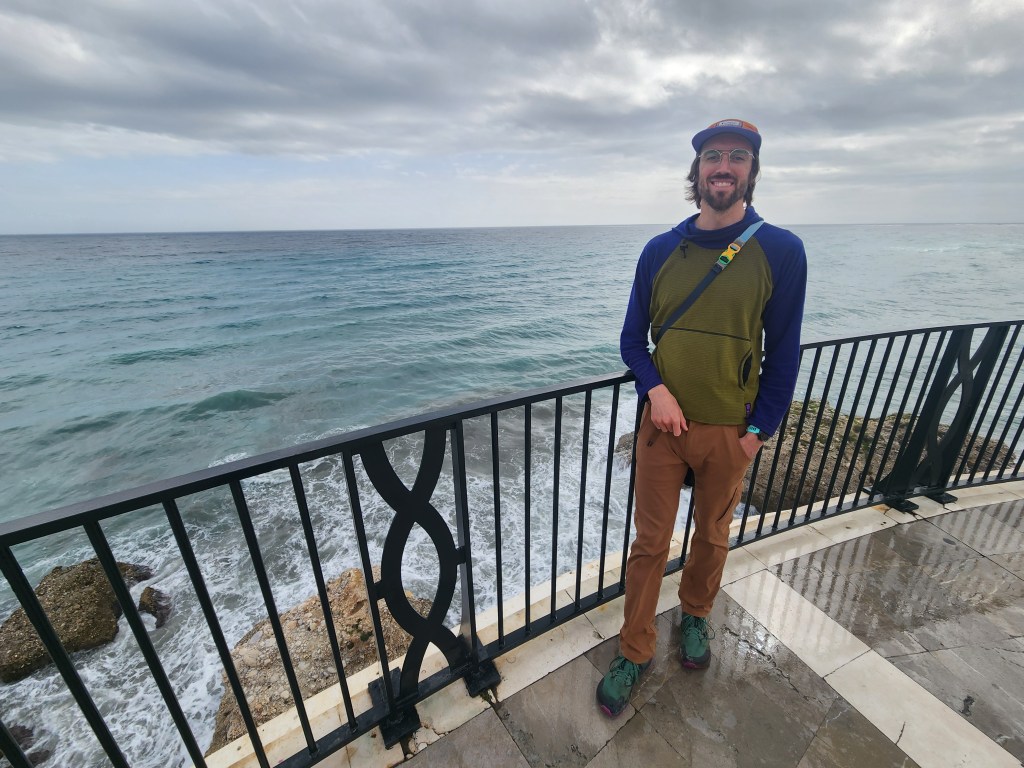
We walked through Nerja a little more, finding our way to Balcón de Europa, an immaculate circular balcony on the Mediterranean. Watching cormorants dry off while the waves crashed was quite peaceful.
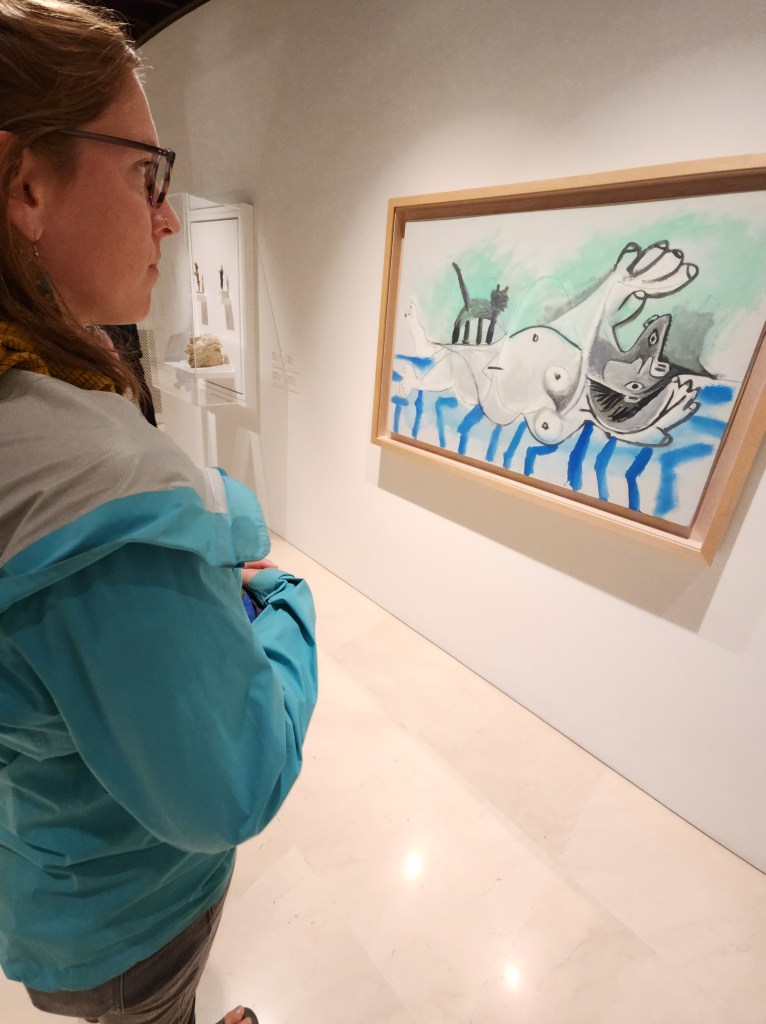
With a few hours to spare on our last evening, Maggie and I decided to visit the Picasso museum in Málaga. Pablo Picasso was born in Málaga, and his strange and stirring art made him a household name. Picasso is most well known for his cubist style, turning people and everyday figures into abstract geometric forms where the light never quite falls where you expect. These types of paintings dominated the displays throughout the museum, but we were surprised to see more classical and realist paintings. The cubist paintings are hard to wrap my head around, but seeing the progression in his style made me appreciate Picasso’s talent. Even if I didn’t necessarily like the style, I at least began to understand how intentional it was, rather than being random shapes cobbled together.

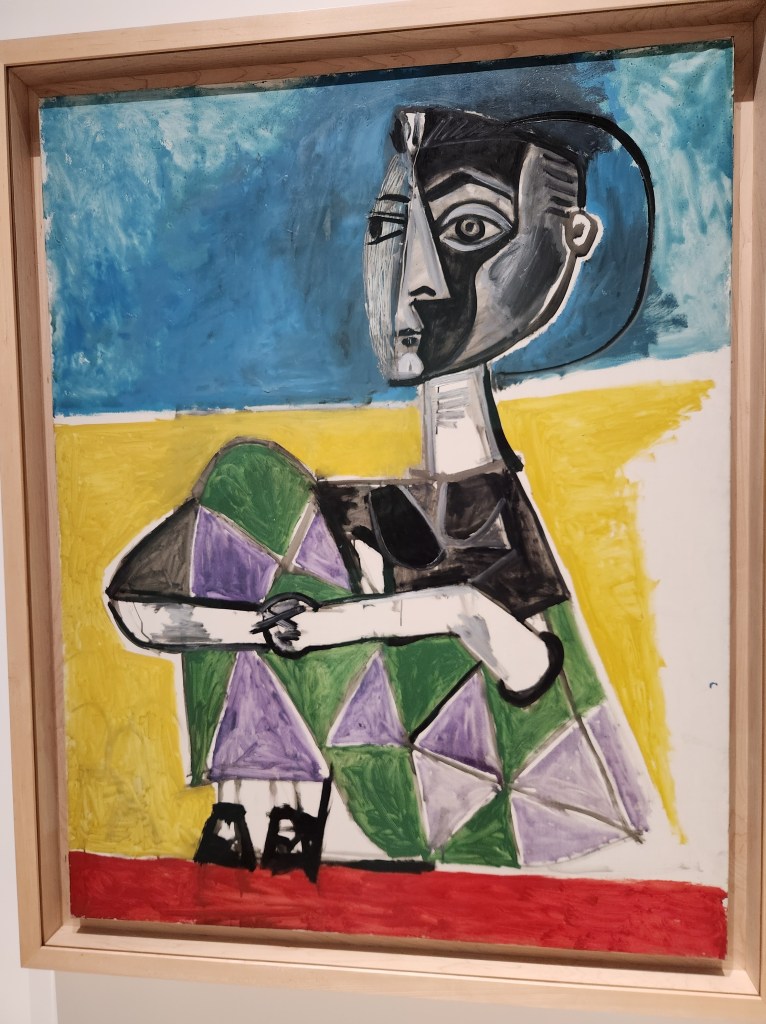
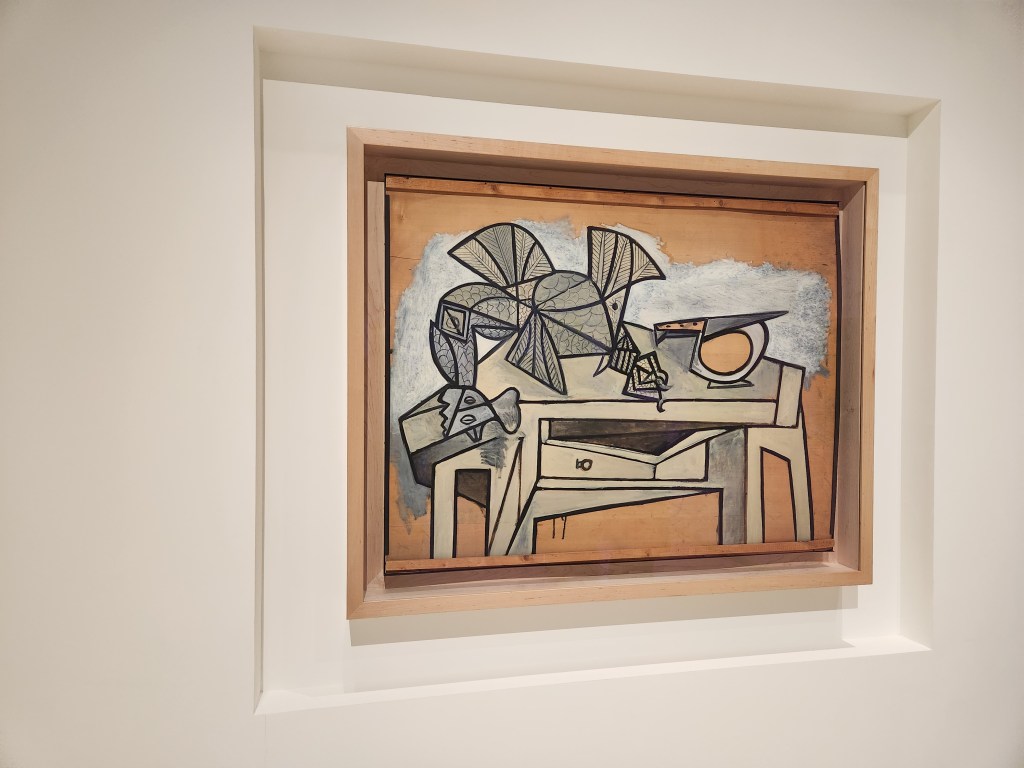
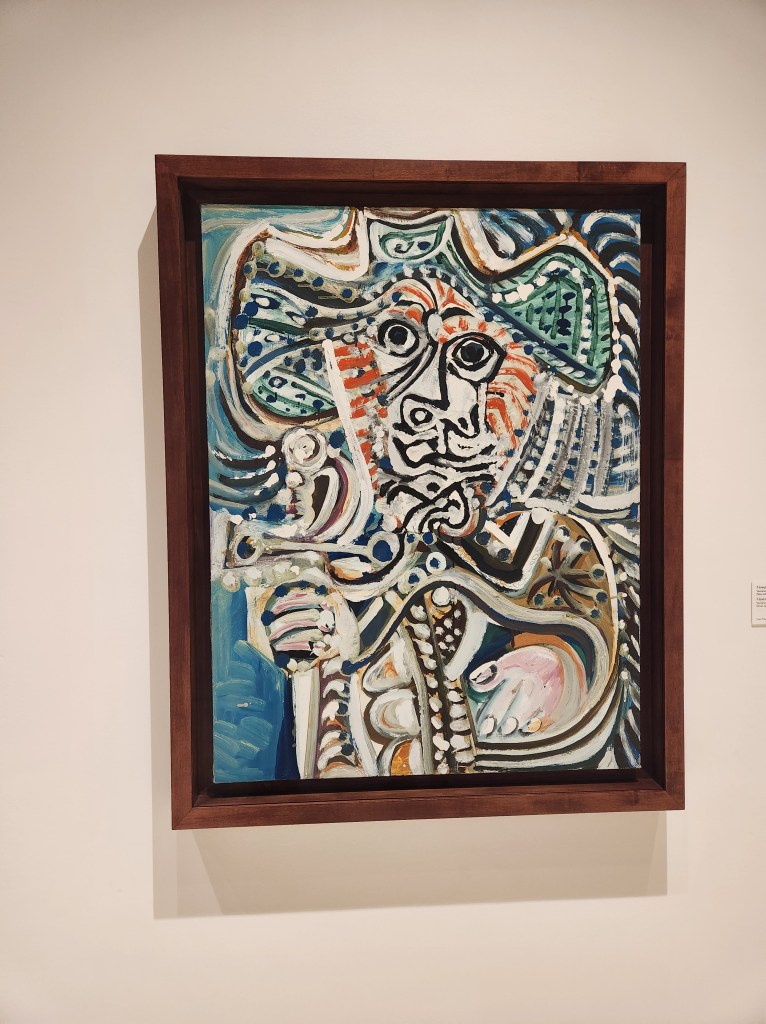
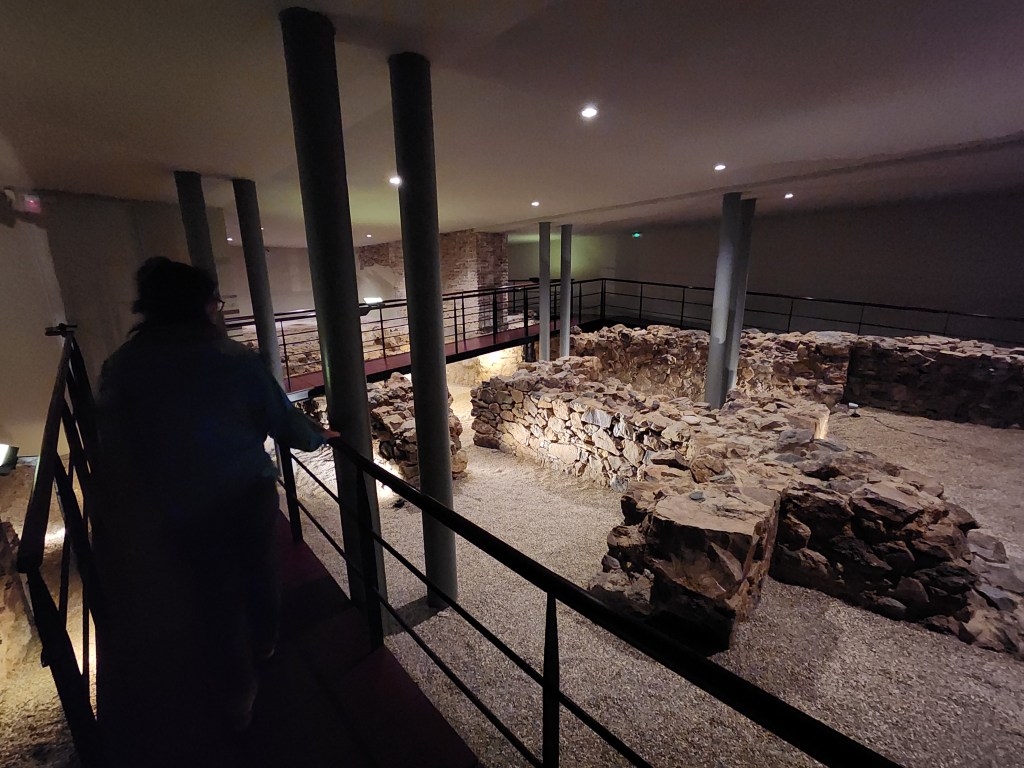
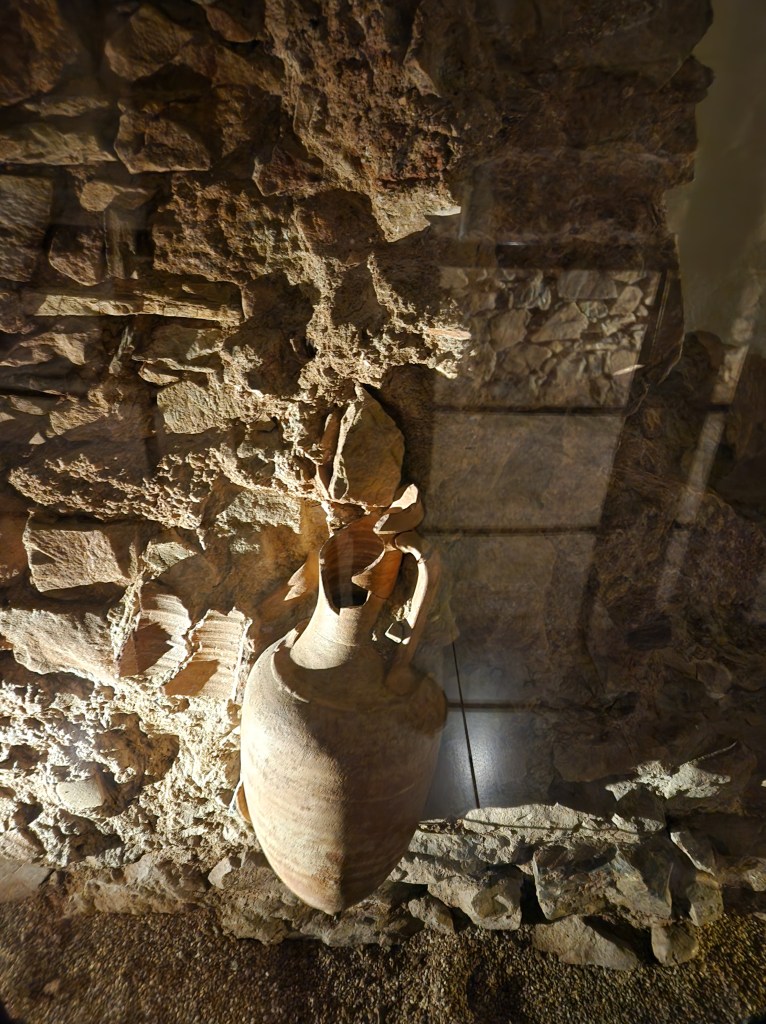
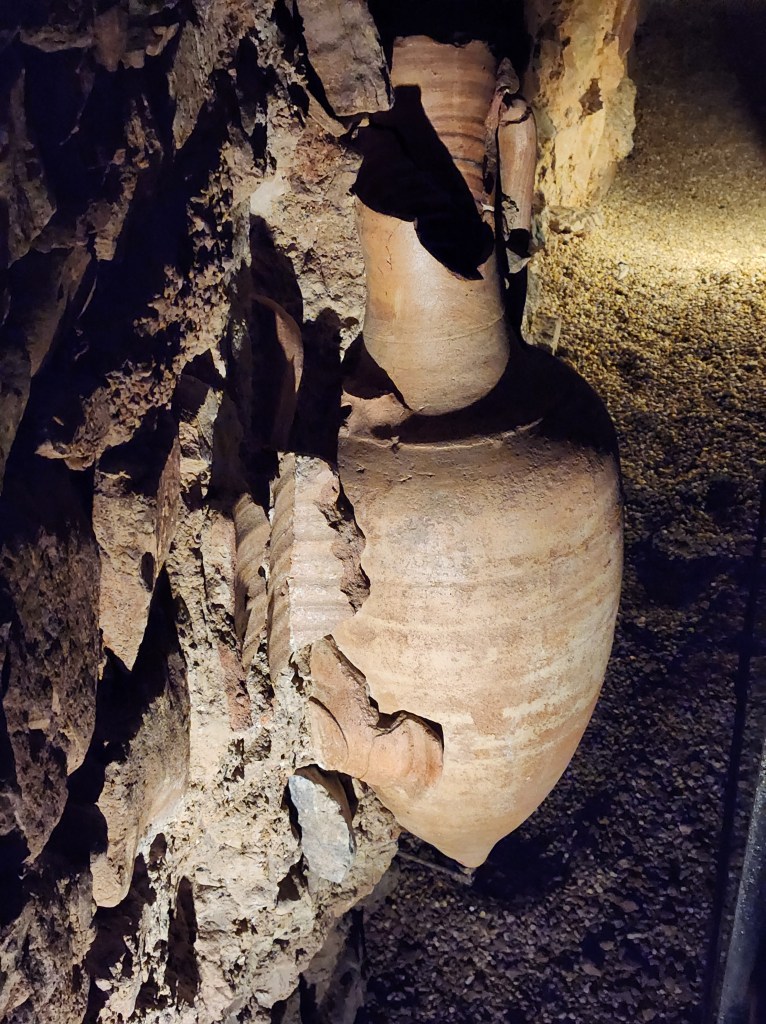
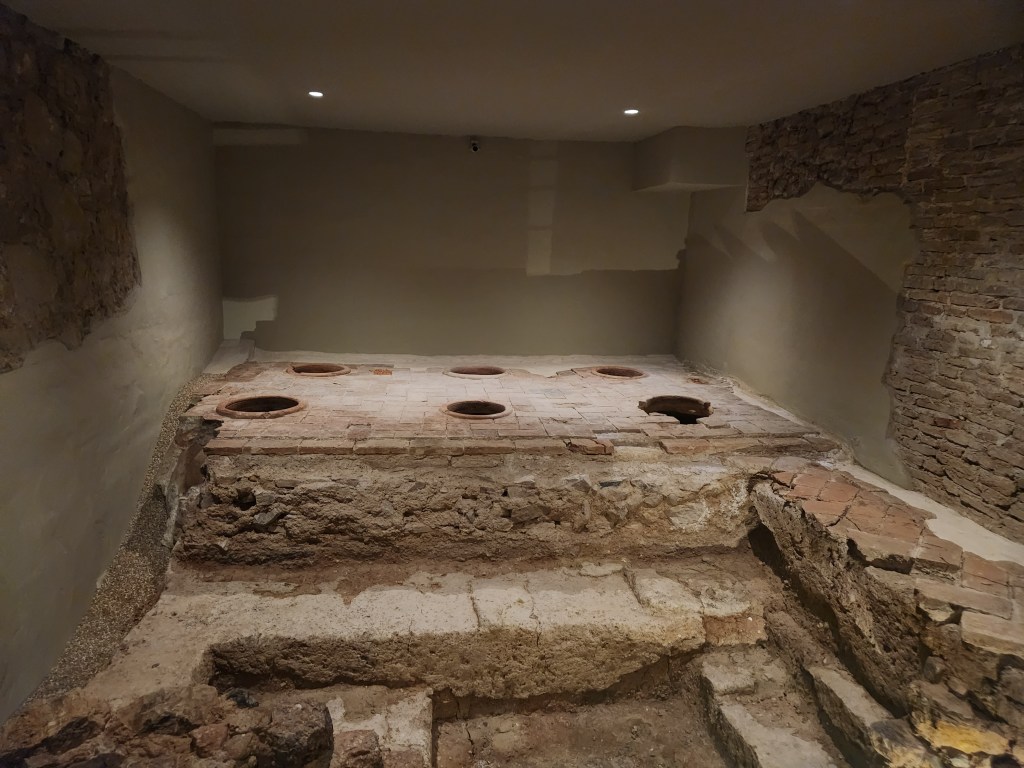
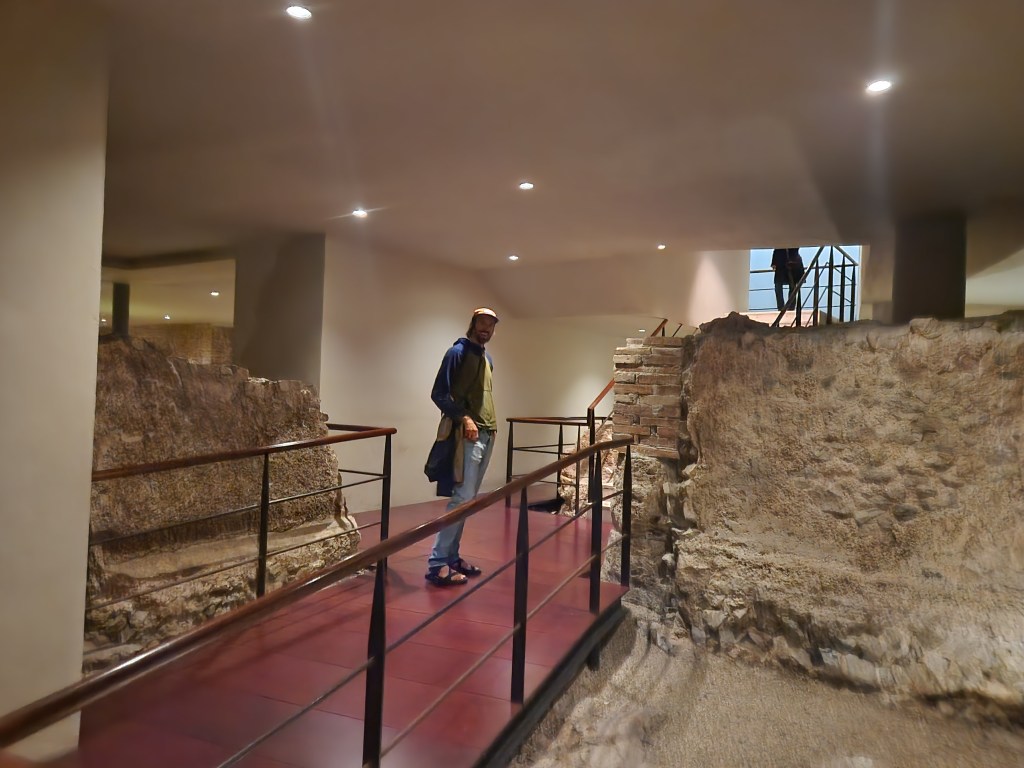
Wandering the halls, Maggie and I spotted a door with a small sign saying something like “Archeology Area”. Curiosity got the better of us, and we went down the stairs into the dim, musty basement. Sure enough, there were Roman and Phoenician structures underneath the museum. Amongst the walls was an amphora sticking out, mostly intact. This was a pleasant surprise to stumble upon!
Our adventure around Spain was coming to a close. The week went by way too fast! While I have been a little skeptical about traveling around Europe, mainly for the population density and relative lack of open space, I have to say my mind has been changed. In a word, it felt easy. Getting around without a car was simple and affordable. The food was amazing and reasonably priced. We felt safe and comfortable the whole time. Being immersed in so much history was a novel experience for me. I’m glad we found some really cool adventures out in the mountains too! A huge thanks to Kristen and Jake for hosting us and showing us around Málaga. Overall, Maggie and I were really happy with our Semana de España…
 Distance Over Time